








You can also listen to this podcast on iono.fm here.
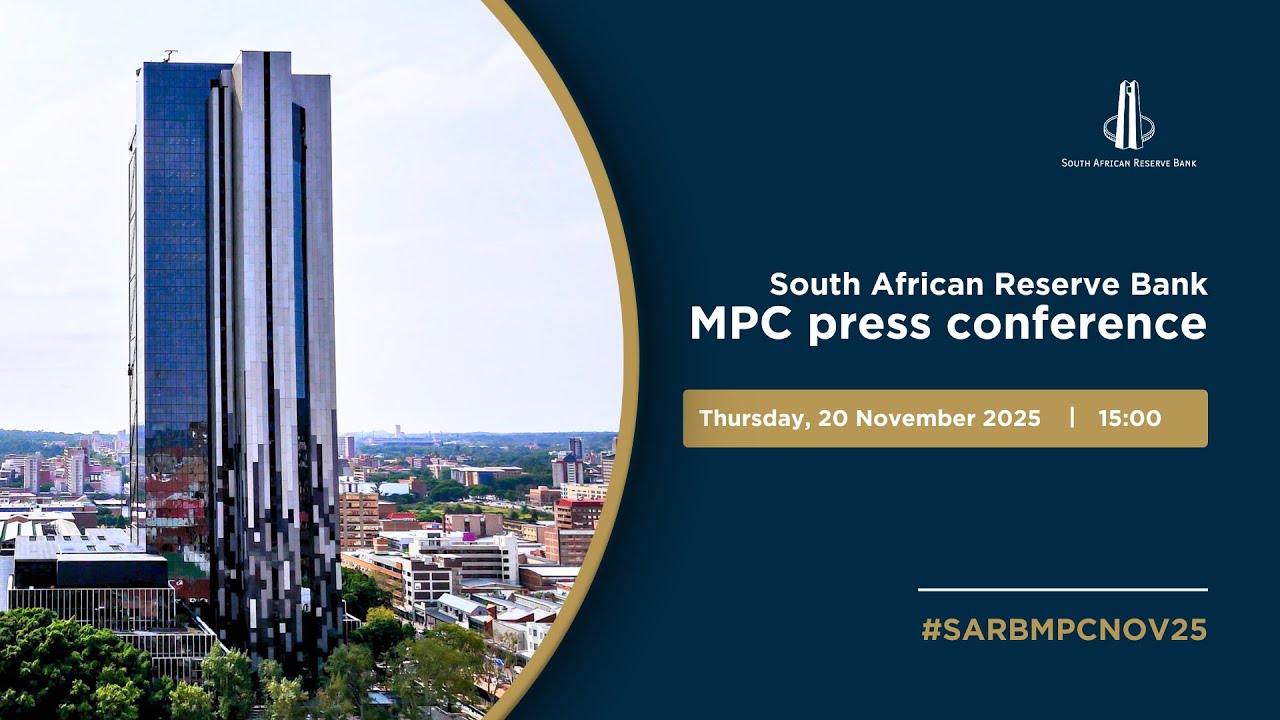
**JIMMY MOYAHA:** This week, the South African Reserve Bank (SARB) announced a pivotal next phase in its Payments Ecosystem Modernisation Programme: a comprehensive overhaul of the nation’s cash system. While headlines focus on the potential for universal “white-label” ATMs, the strategy represents a far more profound and multi-layered intervention aimed at reducing costs, enhancing security, and bridging the digital divide. To unpack the implications for consumers, retailers, and the financial sector, I’m joined by Pradeep Maharaj, head of the programme at the SARB. Pradeep, welcome.
Let’s begin by understanding the overarching vision. The SARB is pushing for digital payments, yet simultaneously investing in modernizing cash. Isn’t that a contradiction?
**PRADEEP MAHARAJ:** Not at all. It’s a nuanced, two-pronged strategy rooted in South Africa’s unique socio-economic reality. Our primary goal is to **digitize payments**, making them low-cost, secure, and accessible to all 62% of South Africans who currently rely on cash for daily transactions. This drives financial inclusion and economic growth.
However, a forced or rapid transition to a cashless society would exclude the most vulnerable. Therefore, our parallel “cash-smart” strategy acknowledges that cash will remain a critical medium for years to come. The current system is inefficient and costly. We move roughly R180 billion in cash annually through a fragmented network of over 112 private cash centers and a duplicative ATM fleet. Our plan is to **rationalize this infrastructure into a utility model**, dramatically lowering the end-to-end cost of handling cash for everyone.
**JIMMY MOYAHA:** The concept of “universal” or “white-label” ATMs captures public imagination. Beyond removing bank logos, what fundamentally changes?
**PRADEEP MAHARAJ:** The change is systemic. Today, you see four branded ATMs at a garage—a symbol of inefficiency. Each requires separate cash logistics, security, and maintenance. Under the utility model, we replace those with a single, shared ATM. This eliminates the costly **interchange fee**—the charge your bank pays (and often passes to you) when you use another bank’s ATM.
More importantly, the three removed ATMs can be redeployed to underserved townships and rural areas, **enhancing geographic access without massive new capital investment**. The utility, managed by a dedicated cash-management company, would handle bulk cash logistics for all ATMs, achieving economies of scale that individual banks cannot.
**JIMMY MOYAHA:** Past attempts at shared ATMs stumbled on commercial agreements between banks. How will the SARB ensure this model is sustainable and affordable?
**PRADEEP MAHARAJ:** This is where our regulatory and convening role is crucial. We are not merely suggesting collaboration; we are designing a **regulated utility framework**. By mandating participation in the shared infrastructure and setting the rules, we remove the competitive barrier that has hindered past initiatives. The cost savings from rationalized cash centers, reduced armored vehicle movements, and eliminated interchange fees will be channeled to lower consumer costs. We aim to make ATM withdrawals fundamentally cheaper.
**JIMMY MOYAHA:** Let’s talk about retailers like Shoprite and Pick n Pay, which are vital cash-in and cash-out points. How do they fit in?
**PRADEEP MAHARAJ:** Retailers are the third pillar of our strategy, under what we term **”ethical cash.”** Currently, they access cash through their commercial banks. We propose creating a licensing framework for **cash wholesalers**. A major retailer could apply for this license, sourcing cash directly from the SARB’s utility at a wholesale rate. This would cut their cost of handling cash significantly.
In return, we would work to standardize and regulate the small fee they charge for cash-back services, ensuring it’s fair and transparent. This transforms retailers from mere endpoints into formal, efficient nodes in the national cash distribution network, further driving down costs and increasing access.
**JIMMY MOYAHA:** This is a monumental undertaking. What are the realistic timelines for consumers to see tangible changes?
**PRADEEP MAHARAJ:** We have initiated industry consultations. The goal is to publish a draft regulatory framework for the cash ecosystem by the end of Q1 2025. If all proceeds well, we could see the **first phase of a white-label ATM pilot by late 2025**, coinciding with the initial operation of the cash utility function. The full transformation is a 2-3 year journey. Our immediate focus is on delivering “low-hanging fruit” to benefit cash-reliant citizens, who are often the most vulnerable to high transaction costs.
**JIMMY MOYAHA:** Ultimately, this is about more than just ATMs. It’s about building a resilient, inclusive, and cost-effective monetary system for all South Africans.
Thank you to Pradeep Maharaj of the SARB for this insightful breakdown.
Follow Moneyweb’s in-depth finance and business news on WhatsApp here.