










The Algerian government’s recent increase of the annual tourist allowance to 750 euros was intended to boost international travel for its citizens. However, this well-intentioned policy has collided with a sudden and poorly communicated regulatory change at the border with Tunisia, creating a logistical crisis for travelers and the tourism industry alike. The surge in year-end travel, fueled by the new allowance, met an abrupt administrative wall, revealing the fragility of cross-border travel protocols between the two North African nations.
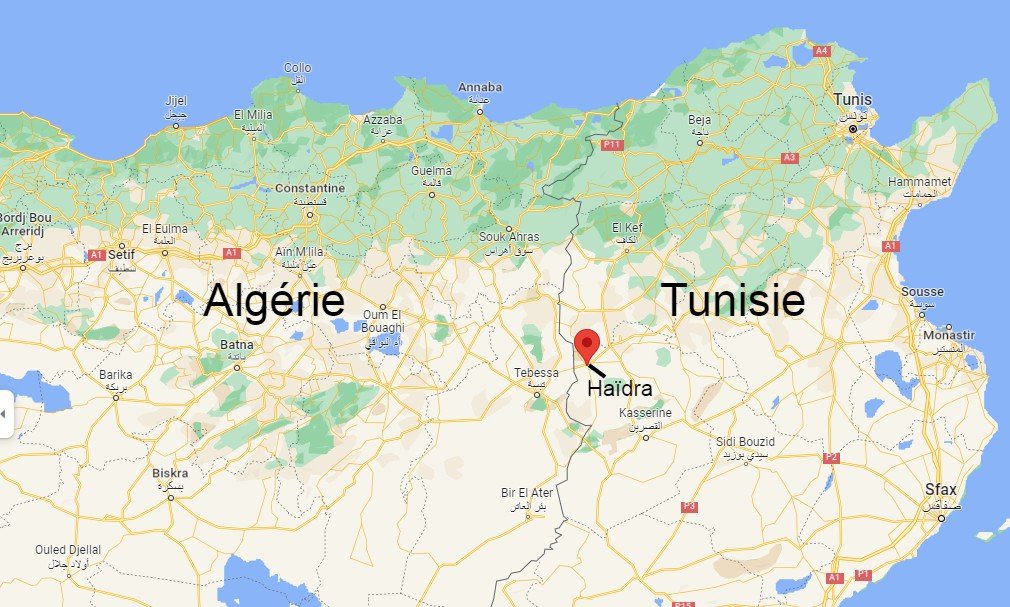
On December 7th, without prior public notice, Algerian authorities instituted a critical new requirement: all buses transporting travelers to Tunisia must now possess a temporary international transport permit. This document replaced the simpler tourist permits previously used. The immediate, unannounced enforcement at key border crossings like Oum Teboul and El Ayoune in Tébessa province caused severe disruptions. Dozens of buses were immobilized, leaving passengers stranded for hours in limbo. This move appears to be a direct response to two state concerns: managing the sheer volume of travelers using the new allowance and curbing potential abuse, such as using travel as a conduit to access the parallel currency market. The lack of a phased implementation or grace period, however, turned a regulatory adjustment into a humanitarian and commercial headache.
Faced with indefinite waits, many determined travelers resorted to an arduous alternative: crossing the border on foot. Travel agency Metnani documented this stark scene in
Algerian Tourists Stranded in Tunisia
a Facebook post on December 13th, showing travelers with their luggage being processed by Tunisian police at the Melloula post. The agency’s caption, “Tunisia on foot… This is no longer tourism, but a real ordeal,” captured the widespread frustration. Once across, these pedestrians would then need to find local Tunisian transport to continue their journeys—a risky and inconvenient compromise for what should have been a seamless package tour.
The repercussions extended far beyond outward-bound travel. A more severe crisis emerged for Algerian tourists already in Tunisia as part of organized tours. Their return buses, operated by agencies lacking the new international permit, were barred from entering Tunisia to collect them. This stranded an unknown number of citizens, transforming a holiday into a stressful ordeal of uncertain duration. In response, regional authorities, like the tourism department of Sétif, issued urgent directives. They instructed affected agencies to immediately apply for the permits through provincial transport departments, outlining a specific repatriation protocol: approved buses must cross empty at the Oum Teboul post, carrying a nominal list of stranded tourists to be collected on the other side. This reactive guidance confirmed the scale of the problem and the absence of a contingency plan.
The economic impact on Algeria’s tourism sector is immediate and significant. For many agencies, organized bus trips to Tunisia are a core, affordable product catering to the mass market—a vital alternative to costlier air travel. The prominent agency Metnani announced a suspension of all its Tunisia bus programs “until things become clearer,” signaling a major operational halt. Their statement, “The tourist allowance will not make us abandon our self-respect and our dignity is a priority,” reflects the industry’s feeling of being blindsided by a policy that undermines its business model. While travel by plane, train, or private car remains possible, these options are less accessible for the budget-conscious travelers who benefit most from bus tours, effectively negating the inclusive intent of the increased allowance.
This incident serves as a stark case study in the unintended consequences of policy shifts. It highlights the critical need for stakeholder consultation and phased implementation when changing cross-border regulations. The dual goals of stimulating tourism and controlling currency flows are not inherently conflicting, but their execution was. Moving forward, a clear, communicated framework for transport permits, perhaps integrated into the tour operator licensing system, along with established emergency protocols, would prevent such disruptions. The dignity of travelers and the viability of the tourism industry depend not just on financial allowances, but on predictable and professionally managed administrative processes.