








Burkina Faso’s New Headquarters Mandate: A Strategic Move for Economic Sovereignty and Development
In a significant legislative move, the Burkinabè government has introduced a draft law requiring large companies to establish a physical headquarters on national territory. This policy, debated in the Transitional Legislative Assembly (ALT) and championed by officials like Minister Delegate for the Budget Fatoumata Bako and Minister Secretary General Ousmane Ouattara, represents a strategic pivot towards deepening economic resilience and sovereignty.
Addressing the Investment Paradox
Contrary to assumptions driven by the regional security context, Burkina Faso is experiencing notable investor interest, particularly in mining, telecommunications, financial services, agribusiness, and infrastructure. However, a critical gap has emerged: many of these large, profitable companies operate without a lasting physical and fiscal footprint in the country. They benefit from the Burkinabè market while maintaining their operational or fiscal headquarters abroad—a practice that limits the nation’s ability to capture the full value of these economic activities.
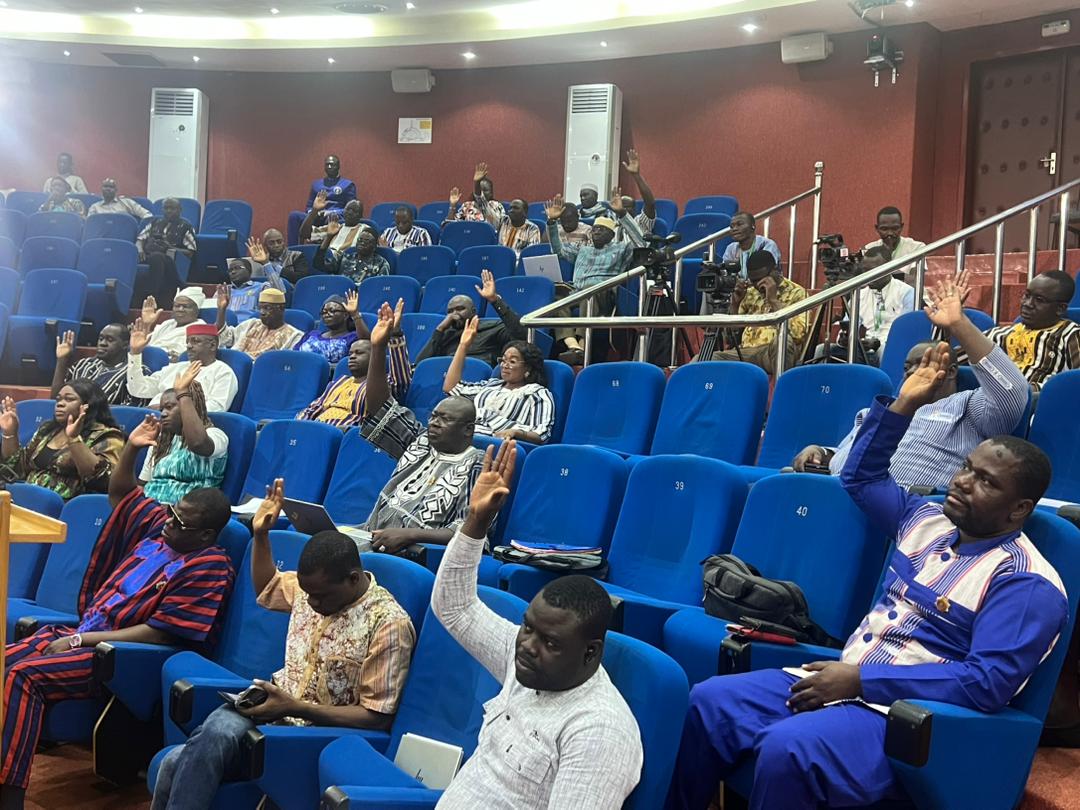
La séance plénière a été présidée par Daouda Diallo
The Core Problem: Structural Economic Imbalances
The government’s analysis identifies several key issues arising from the absence of a local headquarters:
1. Fiscal Challenges and Erosion of the Tax Base
Without a clear tax residency established by a physical headquarters, it becomes administratively complex to accurately assess and collect corporate taxes. This environment can facilitate profit shifting and base erosion, where profits generated in Burkina Faso are reported in lower-tax jurisdictions, depriving the state of crucial revenue for public services and development projects.
2. Limited Economic Multiplier Effect
A physical headquarters is more than an office; it’s an economic engine. Its absence means missed opportunities for creating skilled managerial and technical jobs, developing local business real estate, and fostering a network of supporting service providers (legal, accounting, IT). The potential for knowledge transfer and the development of a corporate ecosystem remains untapped.
3. Weakened Oversight and Economic Sovereignty
Administrative authorities face significant hurdles in monitoring and regulating companies without a permanent local presence. This lack of material anchoring reduces the nation’s control over its own economic landscape and limits the ability to ensure these investors contribute meaningfully to long-term national development goals.
Defining the “Headquarters” and Setting the Rules
Clarifying the scope, the government specifies that the required “company headquarters” is not necessarily the global corporate head office. It is defined as the main building in Burkina Faso housing management bodies and central services, constituting the clear place of tax residency. This establishes a significant operational and fiscal nexus within the national territory.
The mandate targets both national and international companies with an annual turnover (tax-exclusive) of at least 5 billion CFA francs (approximately $8.2 million) averaged over the last three years. Affected companies will have a six-month period to submit a real estate project plan for approval. Following approval, they will have 36 months to complete construction.
A Balanced Approach: Carrots and Sticks
Recognizing the significant investment required, the draft law proposes a balanced incentive regime. To support companies in this transition, the government will offer temporary tax and customs benefits. These incentives are designed to be targeted, non-cumulative, and compliant with international trade frameworks to avoid creating market distortions. In return, companies must comply with architectural quality and environmental sustainability standards, ensuring developments contribute positively to the urban fabric.
International Precedent and Strategic Alignment
This policy is not an isolated experiment. The government cites successful implementations in emerging economies like Angola, Ghana, Indonesia, and Malaysia. Such measures have historically strengthened real estate investment, created skilled employment hubs, and bolstered domestic tax revenues.
The law is framed as a legitimate economic policy tool fully aligned with the government’s strategic vision. It aims to:
- Strengthen national economic sovereignty.
- Improve the mobilization of domestic fiscal resources.
- Promote inclusive and sustainable economic development.
- Create urban centers of excellence and skilled employment.
Officials emphasize that this is an exercise of sovereign right to structure the domestic economy and does not constitute a restrictive trade barrier contrary to international agreements.
Addressing Potential Concerns and Looking Ahead
When questioned on potential compliance risks, Minister Fatoumata Bako expressed confidence, noting that many large companies already hold land and have anticipated such localization requirements. She acknowledged the inherent challenge but highlighted the supportive measures in place and expressed optimism that the business community would recognize the long-term mutual benefits of deeper local integration.
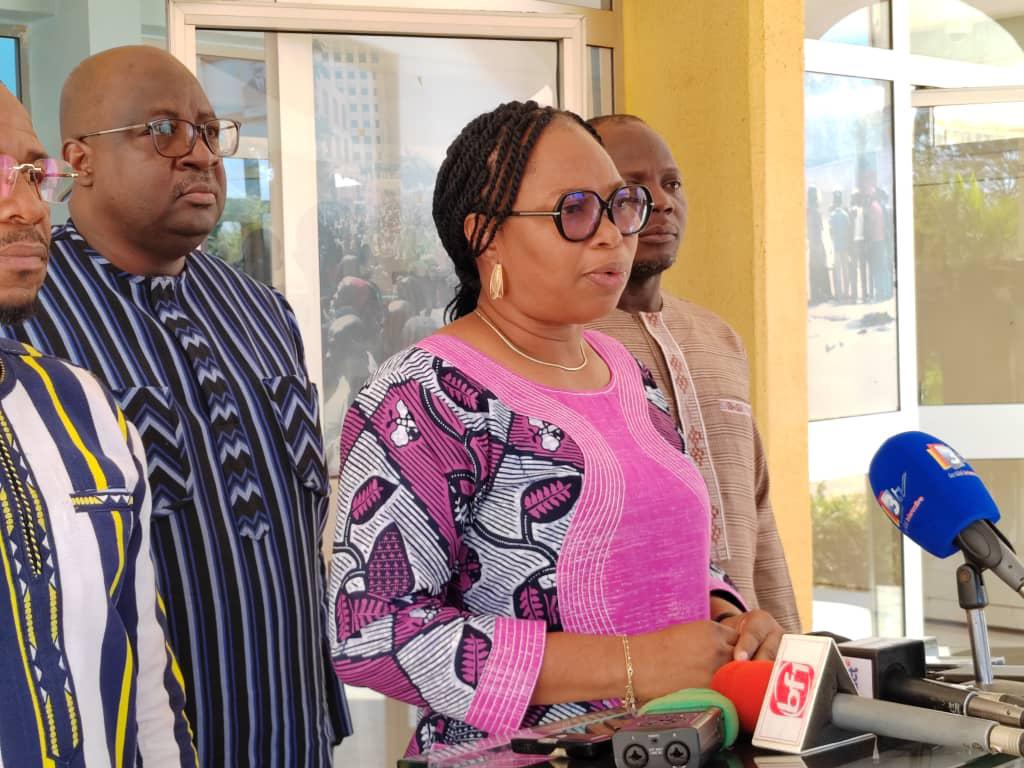
La ministre Fatoumata Bako était la représentante du gouvernement ce 29 décembre
Erwan Compaoré
Lefaso.net
This article is a summary and analysis of an original report. Full credit goes to the original source. We invite our readers to explore the original article for more insights directly from the source. (Source)