









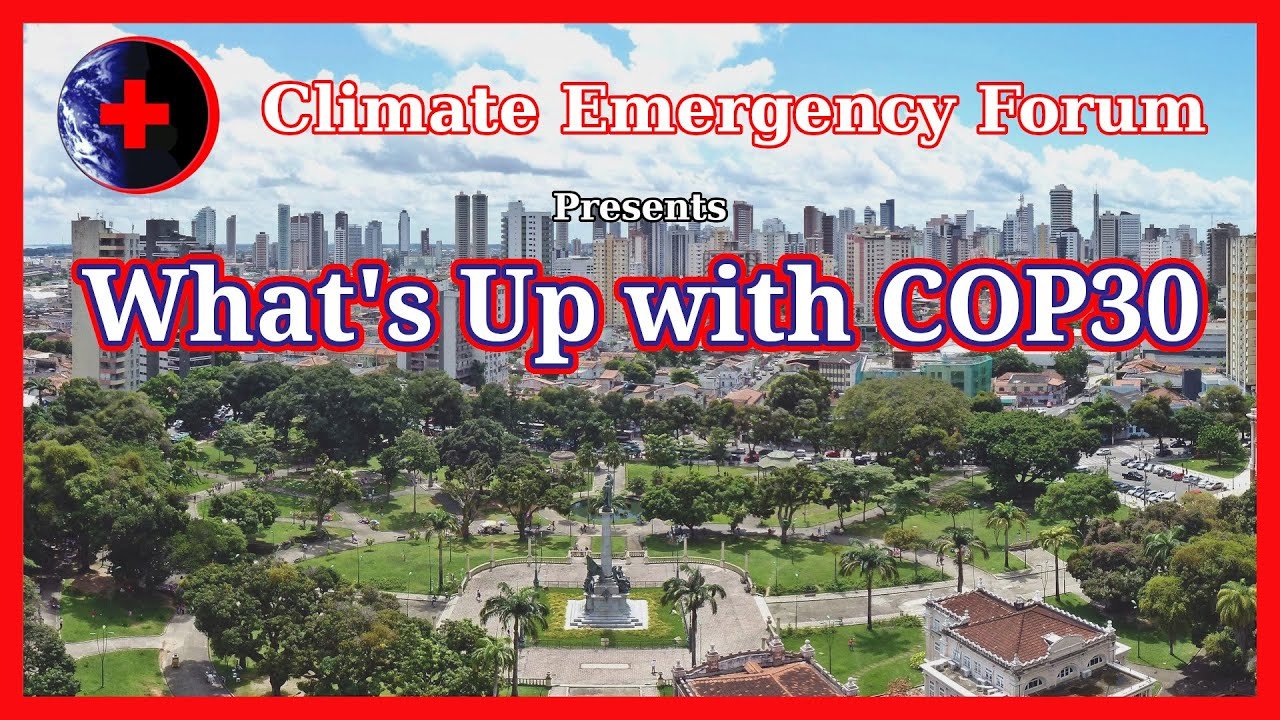
COP30 Summit Confronts Stark Reality as Climate-Hit Nations Demand Justice and Action
As world leaders gather in Brazil, a chorus of voices from nations on the frontlines of the climate crisis is demanding that wealthy, high-emitting countries take greater responsibility.
Leaders from countries enduring the most catastrophic effects of the global climate crisis—from devastating hurricanes to relentless floods—have delivered impassioned pleas for action at the United Nations COP30 climate conference in Brazil.
With the official proceedings set to begin Monday, the preliminary discussions on the edge of the fast-dwindling Amazon rainforest have centered on a critical theme: bridging the chasm between developing nations and the wealthier countries responsible for the bulk of the world’s harmful greenhouse gas emissions.
Brazilian President Luiz Inacio Lula da Silva set the tone, emphasizing the urgent need for a concrete roadmap to “undo deforestation, overcome fossil fuels and mobilise the resources needed.” Among the key initiatives being debated is the creation of a shared global carbon market. This system would allow nations that produce fewer emissions than their targets to earn and sell credits to those overshooting their commitments.
However, the issue of financial support remains a raw nerve. While richer countries pledged $300 billion at last year’s summit to assist poorer nations in coping with climate impacts, not a single dollar has been distributed. Developing countries and international advocacy groups argue this figure is woefully insufficient, pointing to a necessary goal of $1.3 trillion in combined government and private assistance.
A Litany of Loss and a Demand for Justice
The opening sessions were punctuated by stark testimonies from leaders whose citizens are paying the highest price for a crisis they did little to create.
Haitian diplomat Smith Augustin described how Hurricane Melissa recently devastated his country, highlighting the cruel irony that small island states bear the brunt of climate impacts while being the least responsible for causing them.
From East Africa, Kenya’s Vice President, Kithure Kindiki, painted a grim picture of a new normal. “A previously once-in-a-century cycle of extreme droughts alternating with devastating floods continues to wipe out lives,” he stated, referencing a deadly landslide that struck the country just last week.
The emotional crescendo came from Barbados Prime Minister Mia Mottley, who declared that leaders at the summit must “hold our heads down in shame.” She pointed to the profound inadequacy of the loss and damage fund established at the 2022 conference in Egypt, which still holds less than $800 million. “This is while Jamaica reels from damage in excess of $7 billion US,” she noted, “not to mention Cuba, Haiti or the Bahamas.”
Mahmoud Ali Youssouf, Chairman of the African Union Commission, crystallized the sentiment, clarifying that affected nations are not asking for charity, but for “climate justice.”
Global Inaction and an Inevitable Threshold
The urgent calls for responsibility were contrasted with pointed criticism of inaction, particularly aimed at the United States. Under President Donald Trump, the US has branded climate change a “hoax,” refused to send an envoy to the talks, and deepened its investment in fossil fuels.
This backdrop of political resistance makes the latest scientific warnings all the more dire. A report from the UN Environment Programme (UNEP) released earlier this week concluded it is “very likely” the world will exceed the critical 1.5°C (2.7°F) global warming mark within the next decade.
UN Secretary-General Antonio Guterres delivered a stark ultimatum to the assembled officials, telling them they can choose to lead or be led to ruin. He lambasted corporations for making “record profits from climate devastation” and accused leaders of remaining “captive to these entrenched interests.”
While Guterres conceded that overshooting the 1.5°C target is inevitable in the short term, he stressed that “what matters is how high and for how long.” The path forward, as outlined by the UN, is clear yet monumental: global emissions must nearly halve by 2030, reach net zero by 2050, and move to net negative thereafter. The success of this endeavor now rests on the decisions made in the heart of the Amazon.
Source: Al Jazeera