





DRC: Viral Video of Éric Zemmour Criticizing President Tshisekedi Exposed as AI Deepfake
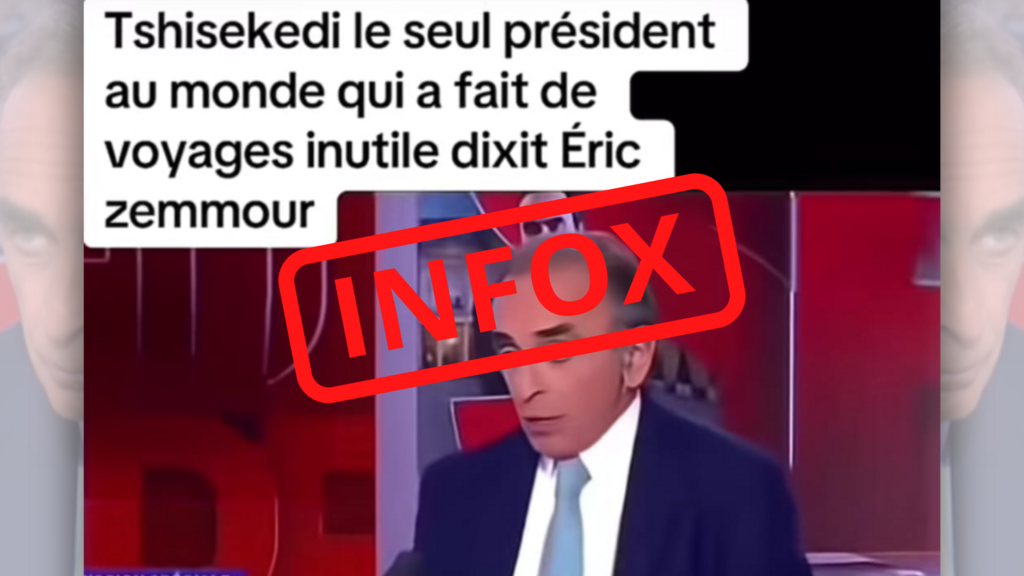
In a stark reminder of the digital era’s perils, the Democratic Republic of Congo has become the latest stage for a sophisticated disinformation campaign. A video clip purportedly showing French far-right politician Éric Zemmour launching a verbal assault on Congolese President Félix Tshisekedi spread like wildfire across social media platforms, captivating and enraging users. However, a thorough verification process has now confirmed the unsettling truth: the footage is not authentic. It is a deepfake, a hyper-realistic, AI-generated manipulation designed to deceive.
The Anatomy of a Digital Deception
The video in question was crafted with a disturbing level of precision. It appeared to show Zemmour, the founder of the French political party Reconquête, delivering sharp criticisms aimed directly at President Tshisekedi. The content of the fabricated speech was inflammatory enough to tap into existing political and social tensions, ensuring its rapid dissemination. For many viewers, the initial reaction was one of shock and outrage, a testament to the convincing nature of the AI-generated forgery.
These synthetic media creations use a form of artificial intelligence known as generative adversarial networks (GANs). This technology can seamlessly map one person’s facial expressions and vocal cadence onto another, creating a counterfeit video that is increasingly difficult to distinguish from genuine footage. The viral spread of this particular deepfake video in the DRC highlights a growing global trend where malicious actors leverage cutting-edge technology to sow discord and manipulate public opinion.
The Dangers of Synthetic Media in Political Arenas
The implications of this incident extend far beyond a single fake video. In nations with complex political landscapes like the Democratic Republic of Congo, the deliberate introduction of false information can have real-world consequences. A deepfake can be weaponized to incite social unrest, destabilize diplomatic relations, or undermine the legitimacy of a sitting government. By fabricating a statement from a prominent foreign political figure like Zemmour, the creators of this video aimed to create an international incident where none existed.
This case underscores the urgent need for digital literacy and robust media verification protocols. Citizens, journalists, and political actors alike must cultivate a healthy skepticism toward sensational content encountered online. The ease with which this video gained traction serves as a critical warning. In the past, disinformation campaigns relied on misleading text or clumsily edited images. Today, the threat is more insidious: perfectly crafted audio and video that can make anyone appear to say or do anything.
Combating the Deepfake Epidemic
So, how can the public defend against such sophisticated forgeries? Experts point to several red flags. Viewers should scrutinize the source of the video—was it posted by a reputable news organization or an obscure account? They should also look for subtle inconsistencies: unnatural blinking, slight mismatches between lip movement and audio, or strange lighting on the face. Furthermore, the context is key; asking whether the statement aligns with the speaker’s known views and if other credible sources are reporting the same event is a crucial step in verification.
The battle against AI-generated misinformation is not just an individual responsibility. Social media platforms are under increasing pressure to develop and deploy advanced detection tools that can flag or remove synthetic media before it reaches a mass audience. Meanwhile, governments and international bodies are grappling with how to legislate against the malicious use of this technology without stifling innovation.
The viral deepfake of Éric Zemmour is more than a political curiosity; it is a case study in 21st-century information warfare. As artificial intelligence continues to evolve, the line between reality and fabrication will only blur further. The incident in the Democratic Republic of Congo is a powerful call to action for greater vigilance, critical thinking, and technological countermeasures to protect the integrity of public discourse worldwide.
Source: RFI