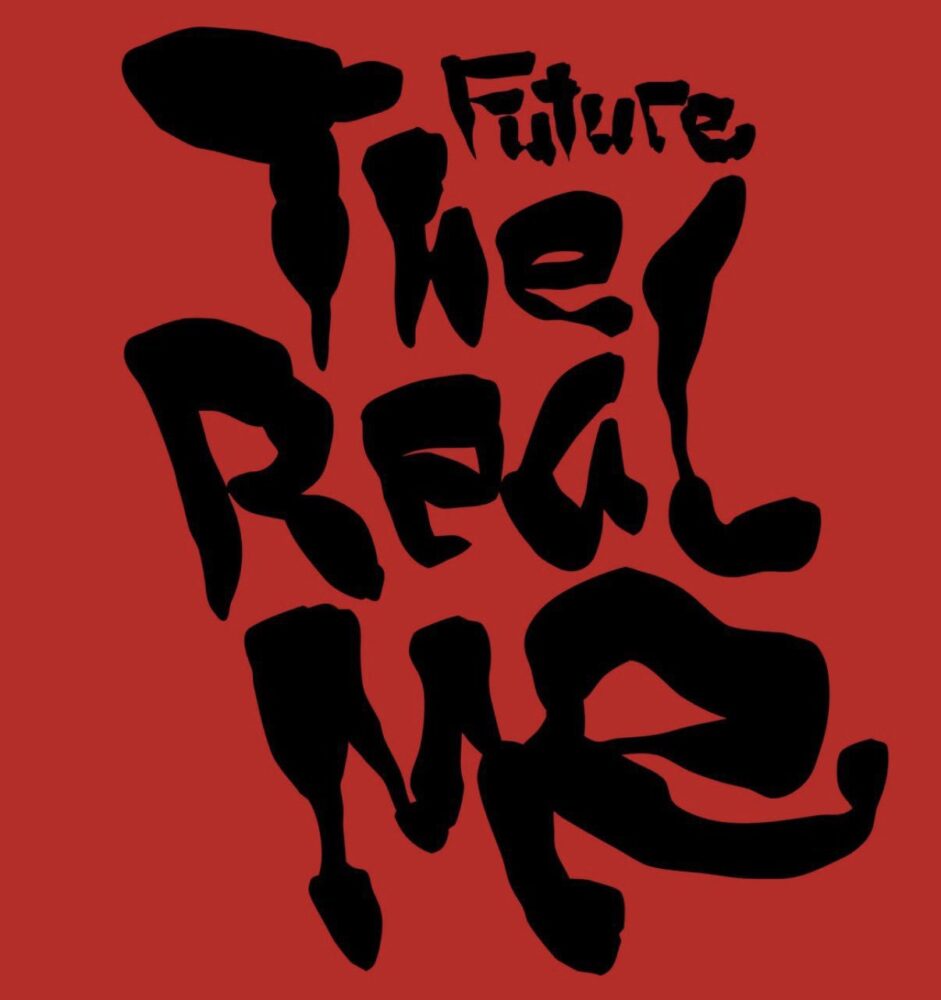
Future’s ‘The Real Me’ Album Announcement: A Cultural Signal for West Africa’s Hip-Hop Scene
The Report
As reported by Tooxclusive, American hip-hop artist Future has announced his forthcoming studio album, The Real Me, scheduled for release on July 10, 2026. The announcement, made via the outlet, confirms the album’s title and genre as Hip-Hop/Trap, though specific track details and production credits remain undisclosed. The report notes that the title suggests a more personal and reflective direction, potentially exploring themes of vulnerability and artistic evolution. The article emphasizes Future’s influence on modern trap music and his consistent commercial and critical success.
“The title The Real Me hints at a more personal and reflective direction, potentially offering listeners a deeper look into Future’s experiences, mindset, and artistic evolution.”
WANA Regional Analysis
While Future’s album announcement originates from the United States, its implications for West Africa’s rapidly expanding hip-hop and trap music ecosystem are significant. The region, particularly Nigeria and Ghana, has seen a surge in trap-influenced artists such as Odumodublvck, PsychoYP, and Kwesi Arthur, who draw heavily from the sonic and thematic templates pioneered by Future. His work has become a benchmark for production quality, lyrical introspection, and commercial viability in the region.
From a cultural governance perspective, the release of The Real Me could influence the direction of West African trap music, encouraging artists to explore more personal narratives—a shift that may resonate with audiences seeking authenticity amid a crowded market. Historically, West African hip-hop has oscillated between social commentary and party anthems; Future’s introspective turn could catalyze a similar trend locally, potentially impacting lyrical content and production choices in studios from Lagos to Accra.
Economically, the album’s release will likely drive streaming revenue and digital engagement across platforms like Boomplay, Audiomack, and Spotify, which have growing user bases in West Africa. The region’s youth demographic, which constitutes a significant portion of Future’s global audience, may see increased consumption of trap music, further integrating West African artists into global streaming charts. This could attract regional investment in music production infrastructure, such as recording studios and distribution networks, as local labels seek to capitalize on the trend.
Diplomatically, the album’s cultural influence underscores the soft power of American hip-hop in West Africa, where artists often look to US trends for inspiration. However, it also presents an opportunity for West African musicians to assert their own narratives, blending local languages and rhythms with trap aesthetics. The ECOWAS region, which has no formal cultural policy on music exports, could benefit from a coordinated strategy to promote regional trap artists on global platforms, leveraging Future’s release as a moment to highlight homegrown talent.
Regional Backdrop
West Africa’s hip-hop scene has evolved significantly over the past decade, with trap music emerging as a dominant subgenre in urban centers. Artists like M.I Abaga and Sarkodie laid the groundwork for lyrical hip-hop, while newer acts have embraced trap’s heavy 808s and auto-tuned vocals. Future’s 2015 album DS2 was a watershed moment for trap globally, and its influence is still felt in West African productions. The announcement of The Real Me arrives at a time when regional artists are increasingly collaborating with international acts, signaling a maturing industry that could benefit from the album’s thematic direction.
Original Reporting By:
Tooxclusive

Comments