










Gabon Champions Congo Basin and Equitable Climate Finance at COP30 Summit
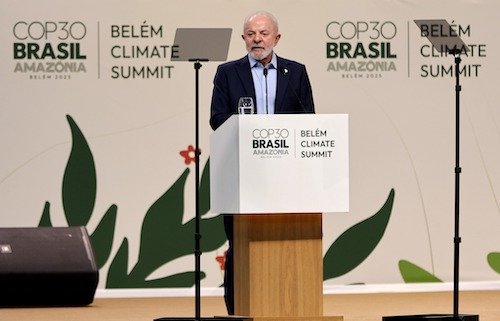
BELM, BRAZIL – In a powerful address to world leaders at the COP30 summit on Thursday, November 6, 2025, Gabon reaffirmed its role as a guardian of the world’s critical tropical forests and demanded a fairer deal for the nations preserving them.
Speaking on behalf of His Excellency President Brice Clotaire Oligui Nguema, Gabon’s Minister of Environment, Ecology, and Climate, Mr. Mays Mouissi, laid out a clear vision during the opening plenary session in Belm. The central African nation’s statement was a blend of unwavering commitment and a call for climate justice.
A Stand for the Planet’s Vital Lungs
The minister began by reinforcing Gabon’s dedication to protecting tropical forests, which he described as the planet’s “vital lungs” and a fundamental source of life for millions. This isn’t just an environmental stance; it’s a matter of global survival. But how do you ensure these natural treasures are preserved for the benefit of all humanity?
Recognition and Remuneration for the Congo Basin
Gabon presented a compelling answer: formally recognize the Congo Basin as a global public good. This vast ecological powerhouse, second only to the Amazon in its expanse of tropical rainforest, provides indispensable ecosystem services—from carbon sequestration to regulating rainfall patterns far beyond Africa’s borders.
The message from the Gabonese delegation was unequivocal. If the world benefits from these services, the world must fairly compensate the efforts to maintain them. It’s a simple question of equity. Why should the heaviest burden of conservation fall on nations that did the least to cause the climate crisis, without the financial means to support their sustainable development?
A Call for Equitable Global Climate Governance
Pushing the argument further, Minister Mouissi advocated for a fundamental shift in global climate governance. The current system, he suggested, is not fit for purpose. Gabon called for a new funding model directly proportional to conservation results.
Such a model would channel financial resources to nations like Gabon that are successfully implementing sustainable development policies, thereby strengthening their ability to continue this crucial work. It’s an investment in global stability, not just an aid package.
By taking this firm stance at COP30, Gabon has positioned itself not merely as a participant in climate discussions, but as a leading voice for a more just and effective global response to the environmental challenges of our time.
Source: MEEC