










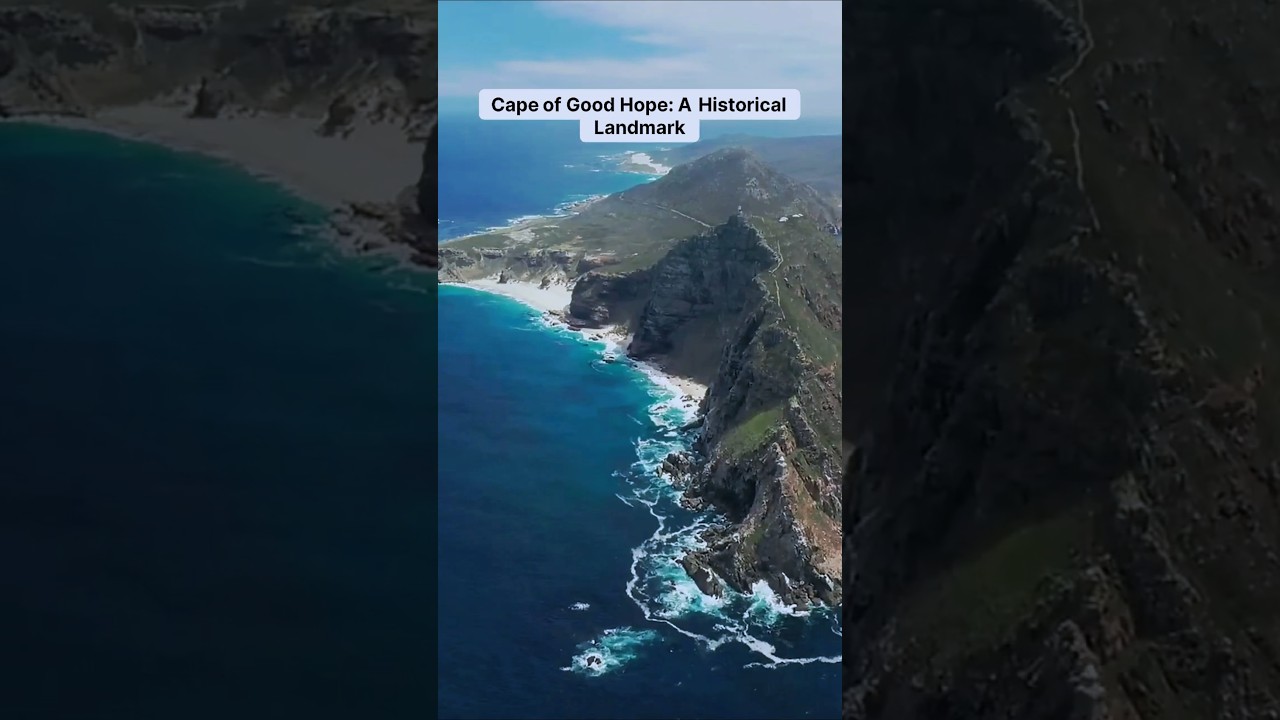
The South African Weather Service (SAWS) has escalated its warnings for Monday, declaring a significant heatwave event for parts of the Northern and Western Cape. This advisory signals more than just a hot day; it indicates a prolonged period of abnormally high temperatures that can pose serious health and environmental risks. [[PEAI_MEDIA_X]]
**Heatwave Breakdown: What ‘Extremely Hot’ Really Means**
For the affected Cape regions, forecasts predict maximum temperatures soaring into the high 30s to low 40s (°C). A ‘heatwave’ is technically defined as when the maximum temperature is 5°C or more above the average maximum for that region for three consecutive days. This sustained heat stresses infrastructure, increases wildfire danger—especially in the dry, fynbos-rich areas—and significantly elevates health risks such as heat exhaustion and heatstroke. Vulnerable populations, including the elderly, young children, and those with pre-existing conditions, are urged to stay indoors during peak heat (11:00-17:00), hydrate consistently, and avoid strenuous activity.
**National Forecast: A Tale of Two Weather Patterns**
While the western half of the country bakes, a different pattern unfolds elsewhere. Most other provinces, including Gauteng, KwaZulu-Natal, and Mpumalanga, can expect partly cloudy skies. However, the forecast includes a crucial caveat: isolated afternoon showers and thunderstorms. [[PEAI_MEDIA_X]] These are typical for a summer pattern where daytime heating builds up instability in the atmosphere. These storms can be highly localized but intense, bringing brief heavy downpours, lightning, and possibly strong gusts. It’s a classic South African summer scenario where carrying an umbrella might be wise even if the morning appears clear.
**Practical Implications and Safety Context**
This split forecast demands tailored preparedness:
* **In Heatwave Zones:** Focus on heat mitigation. Check on neighbors, ensure pets have shade and water, and be aware of the symptoms of heat-related illness (dizziness, headache, cessation of sweating). The extreme heat can also lead to buckling on road surfaces and increased demand on the national grid due to air conditioning use.
* **In Thunderstorm Regions:** Be alert to rapidly changing conditions. Isolated storms can cause flash flooding in low-lying areas and sudden poor visibility on roads. The lightning risk is real; seek shelter indoors when thunder roars.
This weather dichotomy underscores the complex climate dynamics of South Africa, where regional geography—from the arid Karoo to the humid escarpment—creates starkly different conditions within a single day. Staying informed through official SAWS channels is crucial for navigating these extremes safely. [[PEAI_MEDIA_X]]