








Jagaban’s $2 Million Solar & Water Initiative: A Deep Dive into Sierra Leone’s Infrastructure Solution
In a significant move to address two of Sierra Leone’s most pressing development challenges, Sheikh Alhaji Chief Mohamed “Omodu” Kamara (Jagaban), a leading Flagbearer Aspirant for the All People’s Congress (APC) Party, has launched a major dual-infrastructure project. The initiative, valued at $2 million, combines the deployment of solar streetlights with a comprehensive borehole drilling program, targeting the nation’s intertwined crises of energy poverty and water scarcity.
Illuminating Communities: The $2 Million Solar Streetlight Project
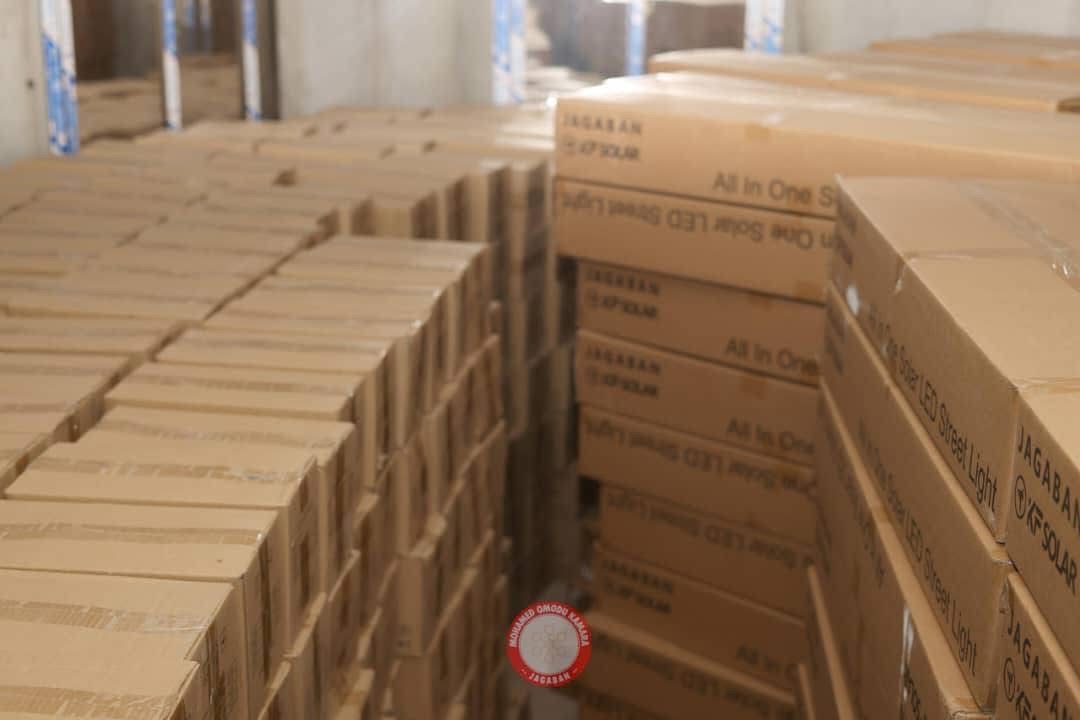
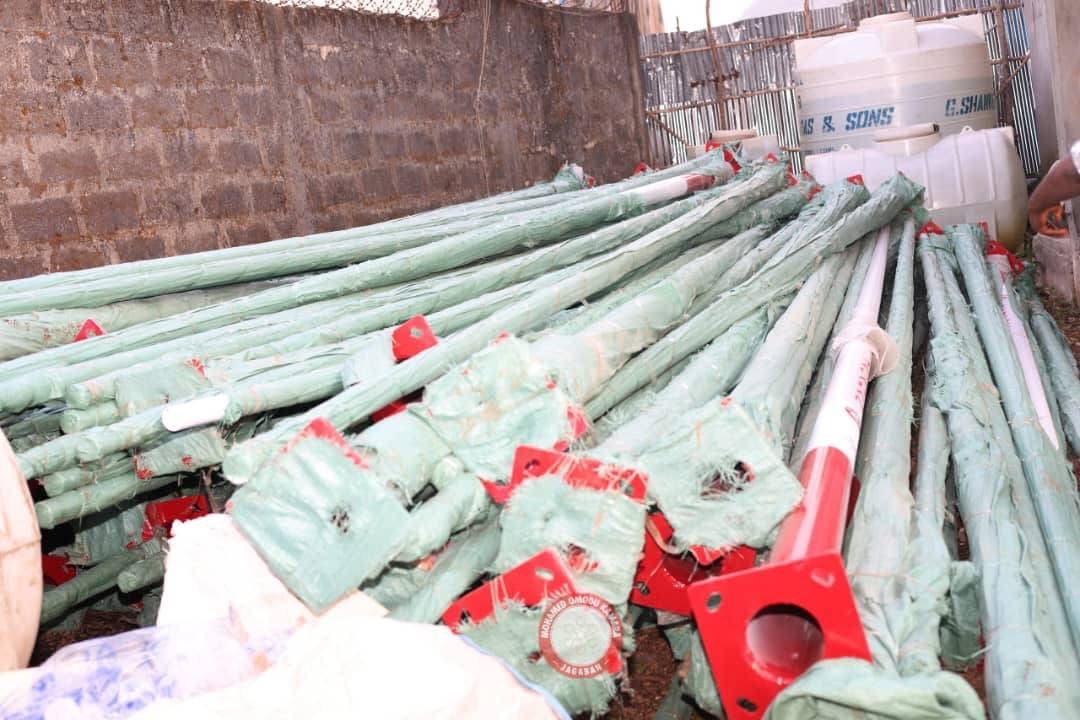
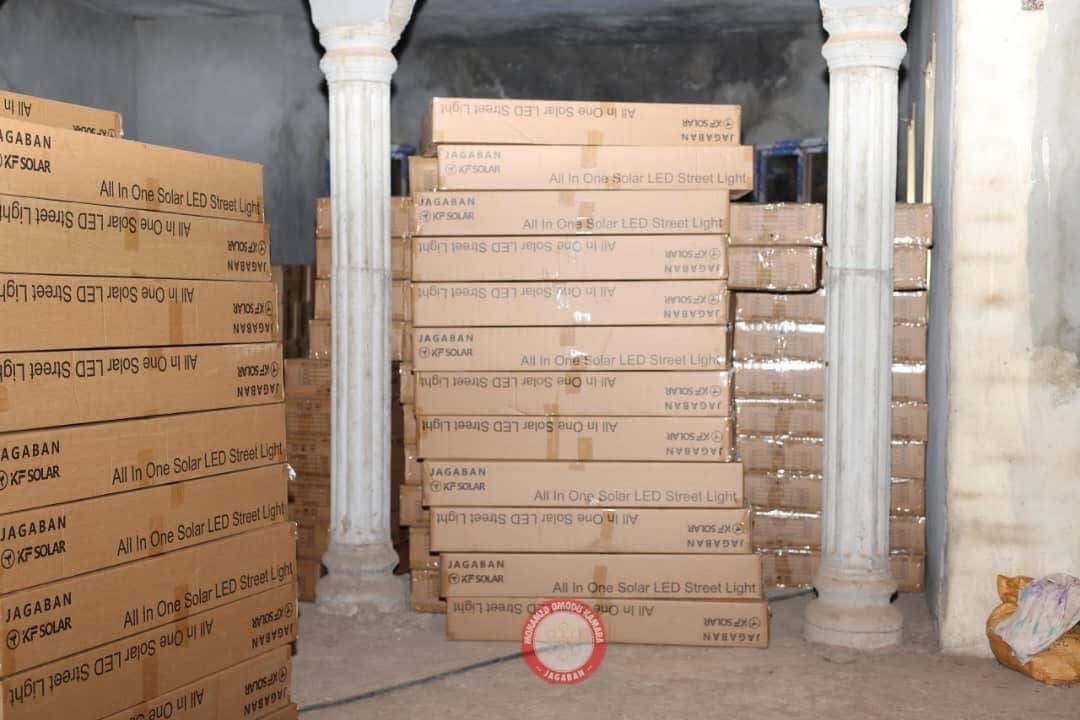
The cornerstone of the project is the arrival of 5,000 high-quality solar streetlights, manufactured by KF Solar in China. This represents a strategic shift towards sustainable energy solutions for public lighting, moving away from unreliable grid power or costly diesel generators. Solar streetlights offer a resilient alternative, particularly crucial for a country with significant energy access gaps.

Jagaban has outlined a community-centric approach for deployment. Local leaders, including councilors and members of parliament, will be instrumental in identifying priority areas based on urgent need. This ensures the project addresses real, on-the-ground requirements rather than top-down mandates. The impact of reliable public lighting extends beyond simple visibility; it is a proven catalyst for enhanced public safety, extended economic activity into evening hours, and improved social cohesion.
Tackling Water Scarcity: The Borehole Drilling Initiative
Parallel to the lighting project is the arrival of borehole drilling machinery, aimed squarely at Sierra Leone’s chronic water shortages. Access to clean and reliable water remains a daily struggle for many, especially during the prolonged dry season. This initiative seeks to provide a decentralized solution, bringing water sources directly into communities that currently rely on distant, often contaminated, supplies.
The integration of water and energy projects is insightful. Reliable water access improves health outcomes and frees up time—particularly for women and girls—while safe lighting protects those fetching water during early morning or evening hours. This holistic approach tackles two critical dimensions of poverty simultaneously.
Implementation, Sustainability, and Community Safeguards
Phased Rollout and Inclusivity
The official launch will occur at the APC Party Headquarters in Freetown, involving key stakeholders. However, Jagaban emphasized a phased expansion to religious institutions, schools, traditional leaders, and underserved communities following consultations. This broad scope underscores a commitment to widespread impact beyond immediate political strongholds.
A Non-Political, Public Good
In a powerful statement, Jagaban declared, “Regardless of your political party, this is for all Sierra Leoneans.” He explicitly warned citizens against anyone soliciting payment for the lights, stating they are provided free of charge as a public benefit. This positions the initiative as a development effort rather than a political tool, urging citizens to report any malfeasance.
Ensuring Long-Term Impact
To counter the common pitfall of donated infrastructure falling into disrepair, the project includes a five-year warranty on the solar lights. Furthermore, installation and monitoring will be handled by qualified engineers. This focus on technical sustainability and maintenance is crucial for ensuring the lights and boreholes provide value for years, not just months.
Context and Potential Impact on Sierra Leone’s Development
This initiative lands in a nation where, according to World Bank data, access to electricity and clean water remains below regional averages. Such projects directly contribute to Sustainable Development Goals (SDGs) 6 (Clean Water and Sanitation) and 7 (Affordable and Clean Energy). By improving basic infrastructure, the project has the potential to create a ripple effect: safer communities can foster greater economic activity, and reliable water reduces waterborne diseases, lowering healthcare burdens.
While the project’s scale is substantial, its ultimate success will hinge on transparent, equitable implementation and the promised long-term technical support. If executed effectively, Jagaban’s $2 million solar and water project could serve as a tangible model for addressing Sierra Leone’s infrastructure deficit through targeted, sustainable investment.
This article is a summary of an original report. Full credit goes to the original source. We invite our readers to explore the original article for more insights directly from the source. (Source)