










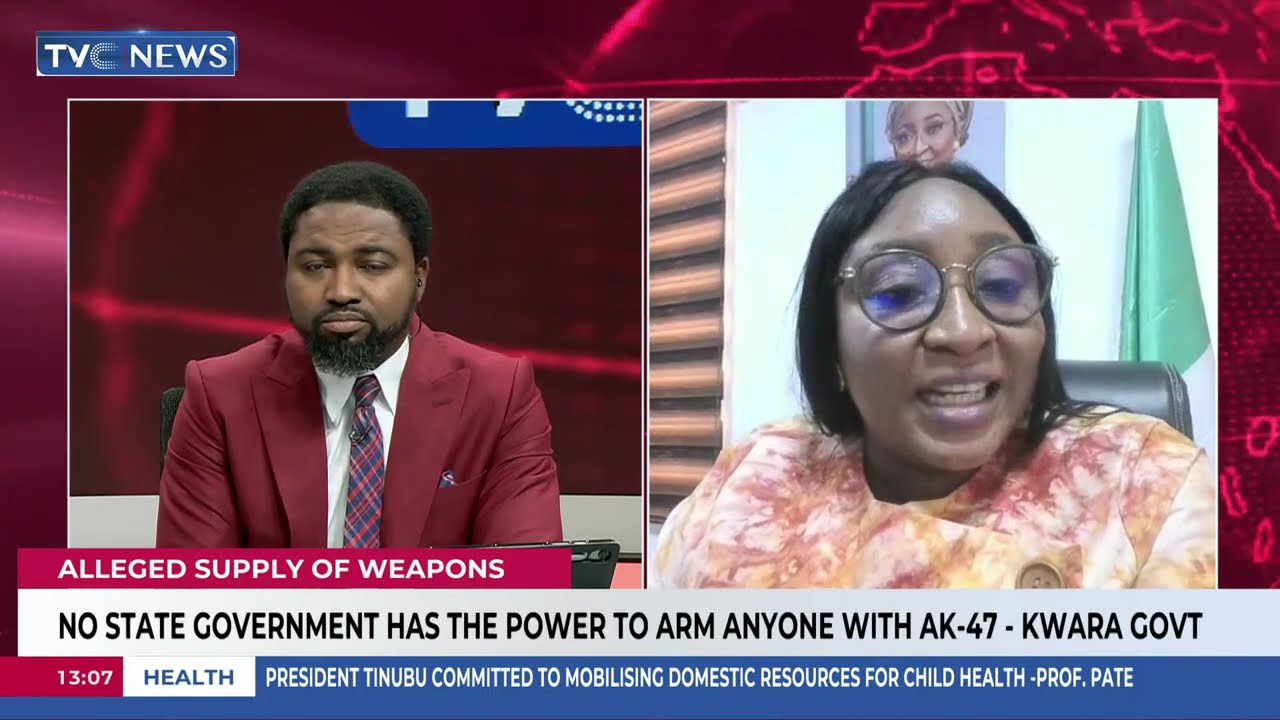
In an era where unverified information can spread with dangerous speed, the Kwara State Government has issued a critical clarification to counter a potentially inflammatory falsehood circulating on social media. The government categorically states that the Nigerian Army did not arrest any armed bandits in Ifelodun Local Government Area, directly refuting a viral narrative that could undermine public trust and incite unnecessary panic.
This incident serves as a stark reminder of the complex challenges facing information integrity in the digital age, particularly concerning sensitive topics like security.
Deconstructing the Viral Video and Its Claims
The government’s statement addresses a specific video in circulation. In it, detained individuals make two key, and highly charged, assertions:
- That they possessed a vehicle provided by the “Ilorin Government.”
- That they received weapons “from Abuja.”
These claims, presented without context, are designed to be politically explosive, suggesting official complicity in criminal activity. The Kwara State Government’s response methodically dismantles this narrative on several factual grounds.
Key Points of Clarification and Their Broader Significance
1. Location of Arrest: The government clarifies a fundamental geographical error in the viral story. The suspects were not arrested in Ifelodun, Kwara State, but in Auchi, Edo State. This discrepancy alone invalidates the core premise linking the event to Kwara’s local security situation. It highlights a common tactic in misinformation: attaching a sensational story to a specific locality to maximize local engagement and fear, regardless of the truth.
2. Official Security Reporting: The government emphasizes that no security agency, including the Army, reported such arrests within Kwara State. This is a crucial point. In Nigeria, significant security operations and arrests are typically communicated through official channels or joint press briefings. The absence of any such official report is a strong indicator that the event did not occur as locally framed.
3. Legal and Practical Limits on Arming Civilians: Perhaps the most important rebuttal addresses the implied accusation of state-sponsored arming of non-state actors. The statement notes: “No State Government has the power to arm anyone with AK-47.” This touches on a critical aspect of Nigerian security law. The control of sophisticated firearms like AK-47s is strictly a federal matter under the Armed Forces and police. A state government legally cannot procure or distribute such weapons to vigilantes or other groups. This context is essential for the public to understand the implausibility of the video’s claim.
4. Context on the Security Van: Addressing the mention of a vehicle, the Ifelodun Local Government Authority provided necessary background. A security van was indeed provided to vigilantes previously deployed to bolster local security, a common practice across many Nigerian states facing security challenges. However, the government clarifies that these particular vigilantes have since left the area, separating the past, legitimate use of an asset from the current, false narrative.
Why This Misinformation Matters: The Real-World Impact
Correcting this record is not merely an administrative exercise. False claims of armed bandit arrests linked to government actors can have severe consequences:
- Eroding Public Trust: It can create distrust between citizens and the state government or security agencies.
- Incitement of Tension: It can stir up ethnic or political tensions, especially if the narrative suggests one group is being armed against another.
- Diverting Security Resources: It can force security agencies to expend time and resources investigating a phantom event, diverting attention from real threats.
- Creating a Climate of Fear: For residents of Ifelodun, the false news could induce unnecessary anxiety about bandit infiltration and arrests in their immediate vicinity.
The Kwara State Government’s proactive and detailed rebuttal is a necessary step in mitigating these risks. It underscores the importance of official, transparent communication in a landscape flooded with unverified user-generated content. The public is advised to await official statements from security agencies or the government on major incidents and to critically assess the source and plausibility of sensational social media reports, especially those involving security-sensitive matters.