








Mali’s Chamber of Commerce Mobilizes to Tackle Fuel and Food Supply Chain Crisis
In a significant move to address mounting economic pressures, the Mali Chamber of Commerce and Industry (CCIM) has launched a coordinated offensive to stabilize the supply chains for essential goods in the capital district of Bamako.
A Coordinated Response to a Multidimensional Crisis
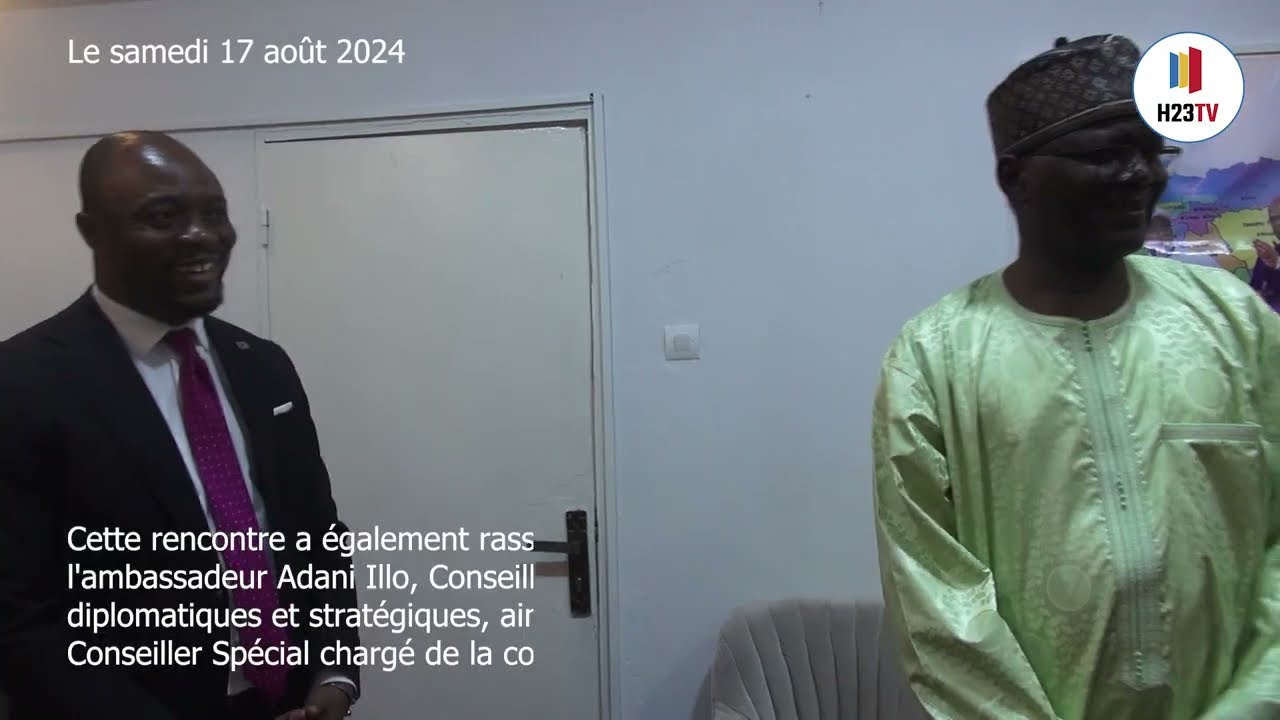
The District Delegation of the CCIM, under the leadership of Mr. Arouna Kanté, convened a high-level meeting with key economic stakeholders, including representatives from the Minister of Industry and Commerce’s Cabinet, consular chambers, and professional associations representing retailers, bakers, butchers, and gas station managers.
This gathering marks a critical juncture in Mali’s ongoing struggle with supply chain disruptions that have affected the availability of both fuel and basic foodstuffs, posing a direct threat to economic stability and social cohesion.
Beyond Temporary Shortages: Addressing Structural Dysfunctions
In his address to sector leaders, Mr. Kanté framed the supply difficulties within the broader context of Mali’s “multidimensional crisis,” emphasizing that the challenges are not merely temporary but stem from deep-seated structural issues within the distribution chain.
“Our purpose here is to discuss product availability in the market and the resupply of fuel at retail points, which unfortunately suffer from poor organization leading to disorder,” Kanté stated, pinpointing organizational failures as a primary contributor to the crisis.
This analysis suggests that resolving the situation will require more than short-term interventions, pointing toward the need for fundamental reforms in how essential goods are distributed throughout the country.
Security Challenges and Economic Resilience
The CCIM leadership acknowledged the severe operational challenges facing petroleum operators, praising their “courage and commitment” in maintaining supplies despite “losses, threats, and intimidation.”
Kanté further expressed gratitude to Mali’s transitional leadership, including President Assimi Goïta and Prime Minister Abdoulaye Maïga, for their responsiveness through the Crisis Coordination and Management Committee, specifically noting the mobilization of security forces to protect fuel tanker convoys.
This recognition highlights the intersection of security and economic stability in contemporary Mali, where supply chain functionality depends critically on safe passage for transportation networks.
Price Controls and Collective Responsibility
Beyond logistical coordination, the meeting served as a platform for regulatory enforcement and collective mobilization. Kanté issued a direct appeal to trade actors to adhere strictly to official pricing structures, warning against speculation that could exacerbate the crisis for ordinary citizens.
“The crisis the country is facing is far from being the sole responsibility of the transition authorities,” he asserted. “Its management calls upon all the sons and daughters of the nation. Everyone must contribute their part.”
This call for shared responsibility reflects an understanding that economic stabilization requires cooperation across all sectors of society, from government institutions to private enterprise and civil society.
Broader Implications for Mali’s Economic Governance
The CCIM’s proactive stance represents an important evolution in Mali’s approach to economic crisis management. By bringing together diverse stakeholders and addressing both immediate logistical challenges and underlying structural issues, the Chamber is positioning itself as a crucial intermediary between state authorities and commercial operators.
This coordinated approach may establish a template for how emerging economies can respond to complex supply chain disruptions that combine security, logistical, and market regulation dimensions. The success or failure of this initiative will likely have significant implications for social stability and economic recovery in the challenging period ahead.
This report is based on information originally published by Le PAYS via Bamada.net.