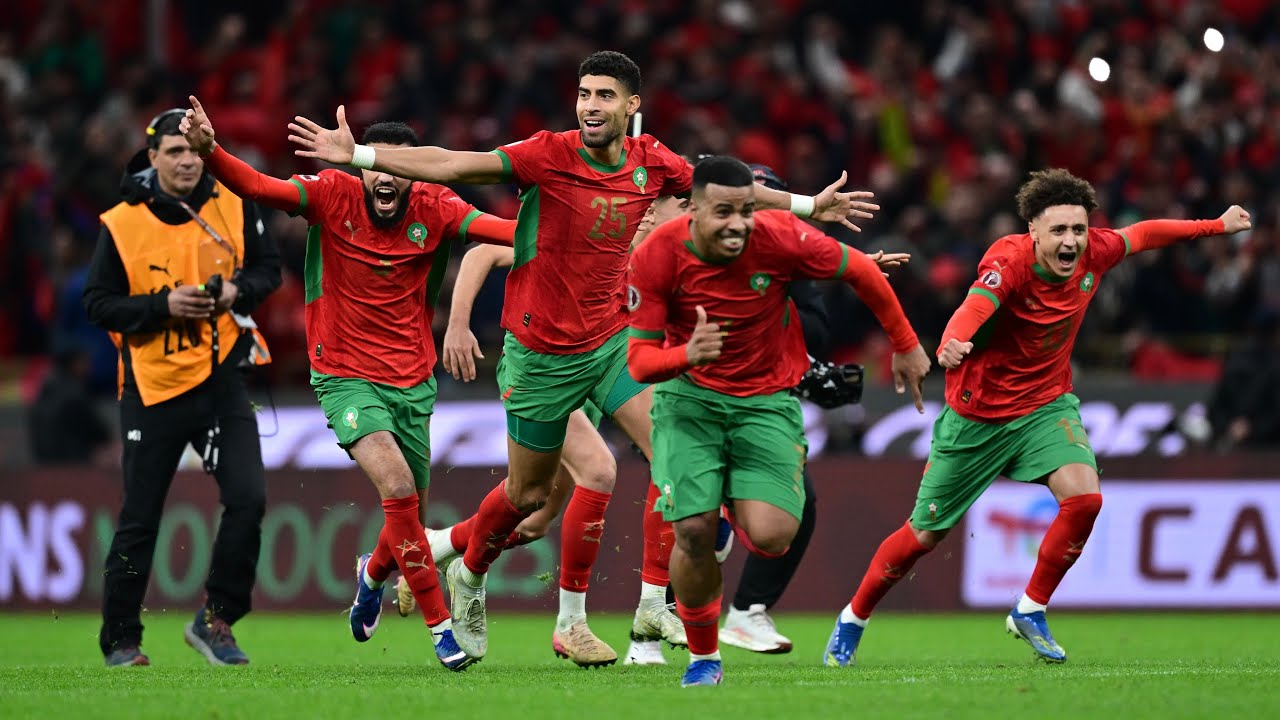
Morocco’s World Cup Ambition: Topping Group I Carries Strategic Weight for African Football
The Report
As reported by Multimedia Group Limited, Morocco’s national football team is aiming to finish top of Group I at the ongoing World Cup, a position currently held by five-time champions Brazil. Coach Mohamed Ouahbi confirmed the objective ahead of their final group-stage match against Haiti, stating that his side intends to field its strongest lineup despite already being in a strong position to qualify.
“My preference is to beat Haiti and finish ahead of Brazil in the group,” Ouahbi told a press conference on Tuesday.
Morocco currently sits on four points after a 1-1 draw with Brazil and a narrow victory over Scotland. A win against Haiti, who have already been eliminated, would lift Morocco to seven points. Whether they top the group will also depend on the result of the Brazil-Scotland match in Miami. Ouahbi acknowledged the possibility of facing the Netherlands, Japan, France, or Argentina in the knockout stage but stressed that his team is not preoccupied with permutations.
He also warned against underestimating Haiti, who are motivated to secure their first points of the tournament. Despite Morocco’s solid performances, Ouahbi faced questions from local reporters about the team’s lack of goals and the absence of a traditional centre-forward. He defended his tactical approach, emphasising patience and adaptability based on opponent profiles.
HAITI FIRST TEAM ELIMINATED
WANA Regional Analysis
Morocco’s ambition to finish ahead of Brazil in Group I is more than a matter of national pride—it carries significant implications for African football’s standing on the global stage. For West African audiences, Morocco’s performance serves as a benchmark for the continent’s footballing progress, particularly as the region prepares for the expanded 2026 World Cup, which will feature more African slots.
From a regional perspective, Morocco’s success reinforces the growing competitiveness of African teams in global tournaments. Historically, African sides have struggled to advance beyond the group stage, often falling short against traditional powerhouses. Morocco’s ability to hold Brazil to a draw and secure a win against Scotland demonstrates tactical discipline and squad depth—qualities that West African football federations, including those in Nigeria, Ghana, and Ivory Coast, are striving to emulate.
The broader implications for the ECOWAS region suggest that Morocco’s performance could influence football governance and investment trends. Moroccan clubs and the national federation have invested heavily in youth academies, infrastructure, and coaching. This model is increasingly being studied by West African football administrators seeking to replicate similar success. If Morocco tops the group, it would send a strong signal that African teams can compete with—and surpass—traditional giants, potentially attracting more sponsorship and development funding to the region.
From a diplomatic standpoint, Morocco’s footballing achievements also bolster its soft power within the African Union and the Arab world. The country’s bid to co-host the 2030 World Cup with Spain and Portugal gains credibility with each strong performance. For West African nations, this could open avenues for regional cooperation in sports infrastructure, player development, and cross-border football commerce.
Economically, a deep World Cup run by Morocco generates significant revenue through broadcasting rights, merchandise, and tourism. This economic ripple effect can benefit neighbouring West African markets through increased trade and investment in sports-related industries. Additionally, Moroccan players who perform well often attract lucrative contracts in European leagues, raising the profile of African talent and potentially increasing transfer fees for players from the region.
Security and governance considerations also come into play. Major sporting events like the World Cup can temporarily shift public attention away from political and security challenges. For West African governments facing insurgencies or economic hardship, a successful African team provides a unifying narrative that can bolster national morale and temporarily ease social tensions.
Regional Backdrop
Morocco’s footballing rise is part of a broader trend of African teams asserting themselves on the world stage. In recent World Cups, African nations have increasingly reached the knockout stages, with Senegal and Ghana making deep runs. Morocco’s current campaign builds on this momentum, and a top-of-group finish would be a historic achievement for an African team against a five-time champion.
Historically, West African teams have often been eliminated in the group stage due to tactical naivety or lack of depth. Morocco’s disciplined approach—emphasising defensive solidity and counter-attacking efficiency—offers a tactical blueprint that West African coaches can adapt. The country’s investment in football infrastructure, including the Mohammed VI Football Academy, has produced a generation of technically proficient players who compete in top European leagues. This model is increasingly relevant for West African nations seeking to professionalise their football systems.
From a policy perspective, the Moroccan Football Federation’s success underscores the importance of long-term planning, youth development, and stable governance. West African football federations, often plagued by administrative instability and corruption, could draw lessons from Morocco’s institutional approach. The ECOWAS bloc could facilitate knowledge-sharing initiatives in sports governance, helping member states improve their football programmes and potentially qualify for future World Cups.
Original Reporting By:
Multimedia Group Limited

Comments