







Nigeria Faces Looming Health Crisis as Hearing Impairment Rates Climb, Experts Warn
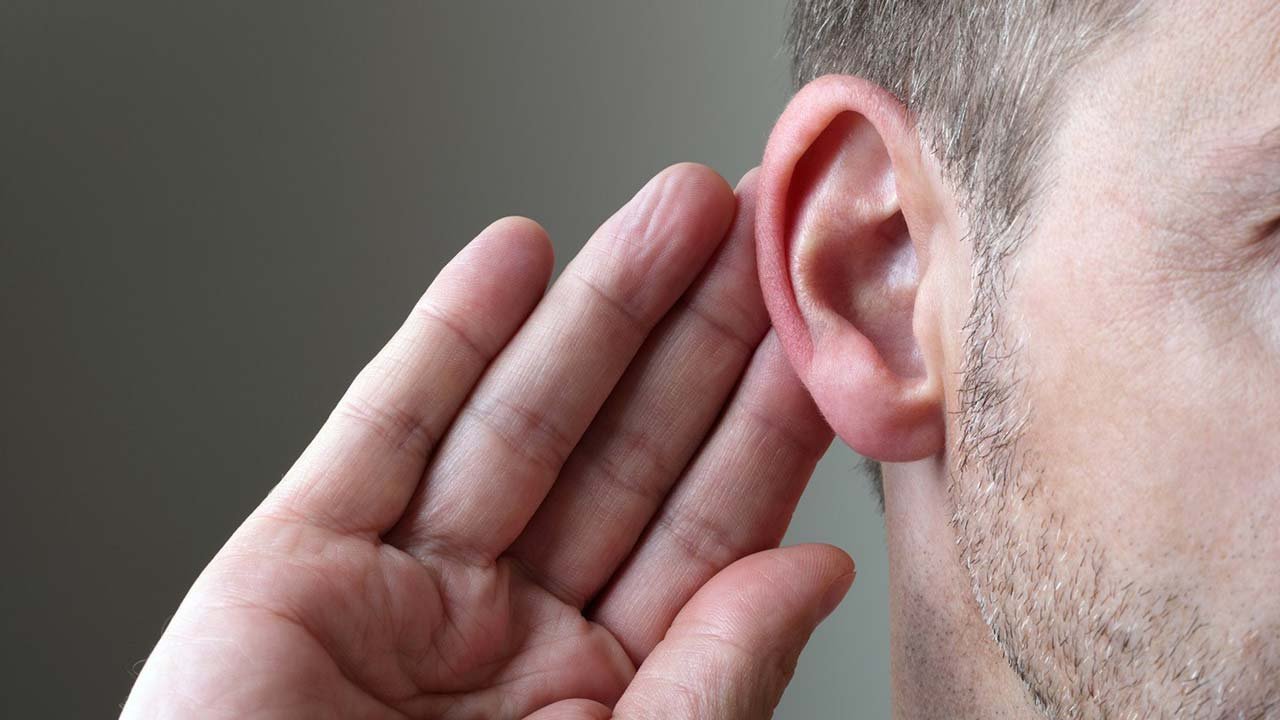
Medical experts are sounding the alarm over a growing public health emergency in Nigeria, where an estimated eight million citizens are now living with significant hearing impairments. The stark warning comes from the President of the Speech Pathologists and Audiologists Association of Nigeria (SPAAN), Professor Julius Ademokoya, who is urging the Federal Government to take immediate and decisive action.
A Silent Epidemic
Speaking at the 2025 SPAAN Annual Conference held at the University of Ibadan, Professor Ademokoya revealed troubling statistics. Current data indicates that six out of every 1,000 newborns in Nigeria suffer from congenital hearing loss. This is compounded by a high number of adults who develop hearing and speech disorders later in life due to accidents, illness, genetic factors, or the damaging effects of drug abuse.
“Any untreated hearing problem constitutes a serious challenge not only to the individual but also to the family and the country at large,” Ademokoya stated, framing the issue as a matter of national concern.
Cultural Stigmas and Barriers to Care
The path to treatment is often blocked by deep-seated cultural misconceptions and a critical lack of public awareness. Ademokoya highlighted a common but dangerous belief that delays crucial early intervention.
“In our country, we believe that when a child is not talking, he will soon grow out of it. That belief is wrong,” he explained. “Many people suffer silently because they lack access to therapy and professional care.” This delay allows minor issues to evolve into severe, lifelong disabilities.
The Mental Health Toll of Untreated Disorders
The consequences extend far beyond the inability to hear or communicate clearly. Professor Ademokoya issued a grave warning about the psychological fallout, linking untreated communication disorders to a heightened risk of mental health crises.
“Some individuals turn to drug abuse because they have untreated speech or hearing problems. They are frustrated, and nobody helps them,” he cautioned. The profound isolation and frustration can become so overwhelming that they tragically contribute to suicide in some cases. These are not just medical issues, but serious societal challenges that demand a government response.
A Call for Inclusion and Collaboration
Echoing the call for a more inclusive society, Mrs. Adetoun Agboola, Special Adviser to the Ekiti State Governor on Special Education and Social Inclusion, appealed directly to parents. She urged them not to hide children with disabilities, emphasizing that every child has a fundamental right to education, proper assessment, and social inclusion.
“Ekiti State is taking the lead in ensuring that all children, especially those with disabilities, are properly assessed before being placed in schools,” Agboola announced, setting a benchmark for other states to follow.
Building a Sustainable Preventive Framework
For any solution to be effective, experts argue that a collaborative framework is essential. Professor Rufai Ahmad, the Registrar and Chief Executive Officer of the Medical Rehabilitation Therapists Board of Nigeria, stressed the need for a united front.
“There must be cooperation between the government, associations, and parents if we are to develop sustainable preventive measures,” Ahmad noted during the conference. This tripartite partnership is seen as the cornerstone for creating a system where early intervention and preventive care become the norm, rather than the exception.
The consensus among professionals is clear: without urgent, coordinated action from the highest levels of government, millions of Nigerians will continue to be left behind in silence, with their potential untapped and their well-being at risk.
Source: Original Article