
Obi-Kwankwaso Axis Moves to Formalize Opposition Coalition: The NDC Gambit and the 2027 Calculus
The Report
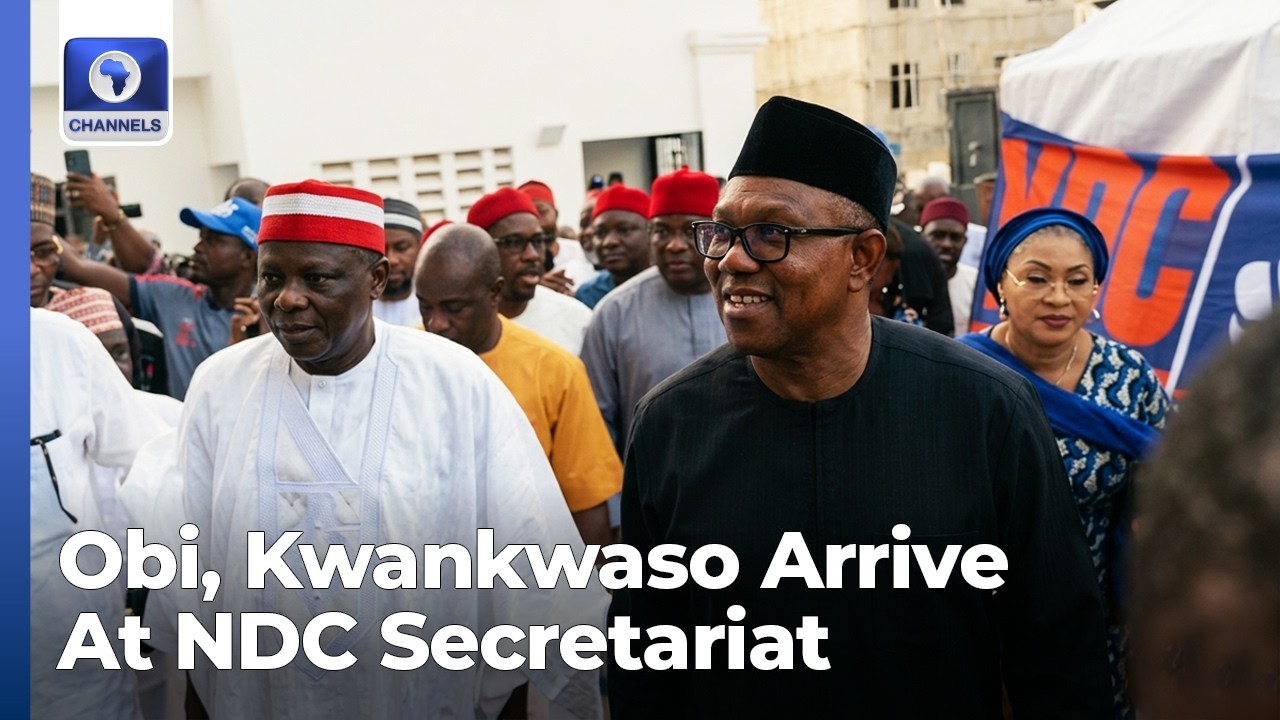
As reported by THEWILL, former Labour Party presidential candidate Peter Obi and former Kano State Governor Rabiu Musa Kwankwaso held a closed-door meeting on Sunday with leaders of the Nigeria Democratic Congress (NDC) at the Abuja residence of the party’s National Leader, Seriake Dickson. The meeting, which took place at Dickson’s residence in Guzape, is part of ongoing consultations and strategic realignments among opposition figures ahead of the 2027 general elections.
THEWILL gathered that Obi and Kwankwaso arrived at the residence at about 5:18 p.m., attracting a large crowd of supporters under the Obi-Kwankwaso Movement, popularly known as the “OK Movement”. Supporters gathered around the venue chanting solidarity songs and repeatedly singing “O-K is okay” as both politicians were ushered into the premises for the private meeting.
The meeting occurred hours after Obi officially announced his resignation from the African Democratic Congress (ADC), citing worsening internal crisis and external interference. It also took place less than 24 hours after elder statesman Buba Galadima disclosed that two prominent politicians would unveil a new political platform on Monday. Sources close to both politicians indicated that discussions had reached advanced stages regarding their alignment with the NDC, a relatively new political platform reportedly linked to Dickson. Political insiders said the meeting focused on coalition arrangements, party structure, strategic mobilisation, and broader opposition unity efforts ahead of 2027.
WANA Regional Analysis
Against this backdrop, the meeting between Obi, Kwankwaso, and the NDC leadership represents a significant escalation in the opposition’s attempt to consolidate a viable electoral bloc capable of challenging the All Progressives Congress (APC) in 2027. The choice of venue—the residence of Seriake Dickson, a former Bayelsa State governor and influential figure in the South-South—signals a deliberate effort to anchor the coalition in a regionally diverse platform, moving beyond the Northern-heavy base of the Kwankwasiyya movement and the predominantly Christian, Igbo support base of the Obi movement.
The broader implications for the ECOWAS region suggest that Nigeria’s political stability remains a bellwether for West African democratic consolidation. A fragmented opposition in Africa’s largest democracy often emboldens incumbents and reduces electoral competitiveness, which in turn weakens the democratic norms that underpin regional governance frameworks like the ECOWAS Protocol on Democracy and Good Governance. The emergence of a structured opposition coalition—if it materializes—could restore some measure of competitive pressure, forcing the APC to engage in policy-based campaigning rather than relying on state apparatus advantages.
However, the historical record of Nigerian opposition mergers is fraught with failure. The Coalition for Nigeria Movement (CNM), the PACT alliance, and the various pre-2019 mergers all collapsed under the weight of personal ambition, ethnic balancing, and the absence of a shared ideological foundation. The NDC, as a relatively untested platform, offers a blank slate but also carries the risk of being perceived as a vehicle for Dickson’s own political ambitions rather than a genuine coalition vehicle. The presence of the “OK Movement” supporters chanting “O-K is okay” suggests that the grassroots energy is real, but translating that energy into a durable party structure requires more than symbolic meetings.
For West African analysts, the key variable to watch is whether this coalition can secure the buy-in of other major opposition figures—such as Atiku Abubakar or the remnants of the Peoples Democratic Party (PDP)—or whether it remains a two-man project. If the coalition remains limited to Obi and Kwankwaso, it risks replicating the 2023 dynamic where the opposition vote was split three ways, handing the APC a victory with less than 40% of the popular vote. The NDC gambit, therefore, is not just about forming a party; it is about creating a unified opposition front that can credibly claim to represent a majority of Nigerian voters.
The timing of the meeting, coming just after Obi’s resignation from the ADC and Galadima’s cryptic announcement of a new platform, suggests that the opposition is racing against the clock to build structures before the Independent National Electoral Commission (INEC) deadlines for party registration and candidate nomination. The next 90 days will be critical in determining whether this coalition becomes a genuine electoral force or another footnote in Nigeria’s long history of failed opposition alliances.
Original Reporting By: THEWILL




Comments