









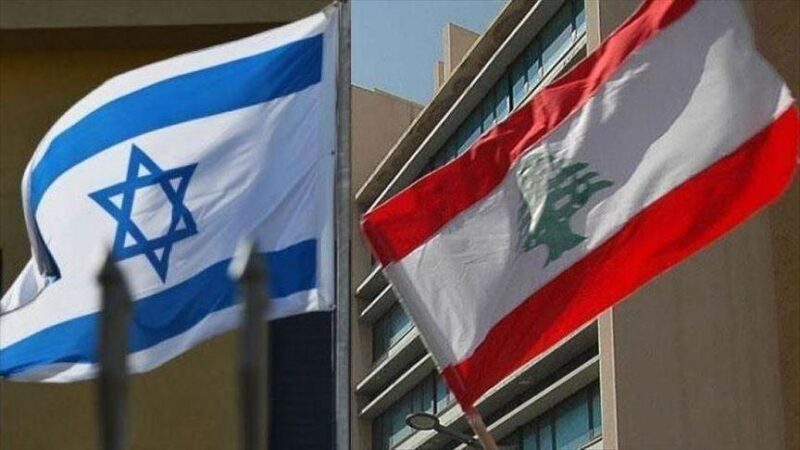
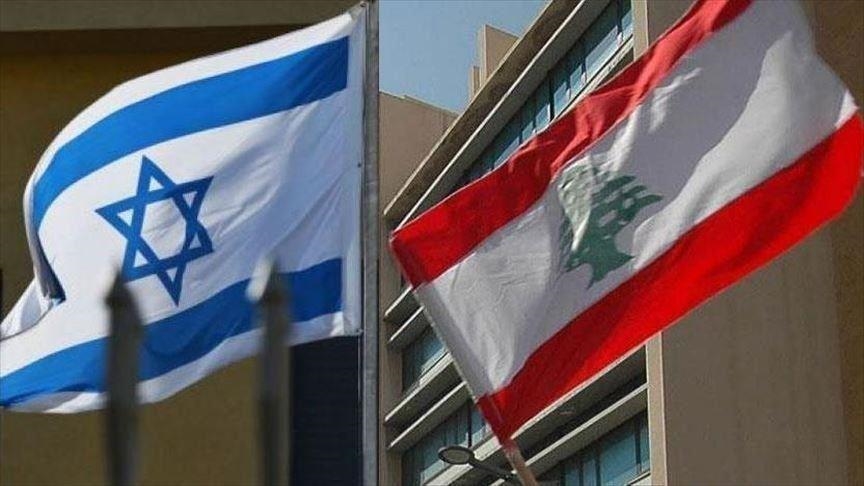
Lebanese Foreign Minister Youssef Raggi has disclosed that Beirut is acting on confidential warnings from multiple Arab and international channels, indicating that Israel is actively preparing for a large-scale military operation against Lebanon. This revelation elevates the simmering tensions on the Israel-Lebanon border from a localized conflict to a potential regional flashpoint with profound implications.
In a detailed statement to Lebanon’s National News Agency (NNA), Raggi outlined that the government is intensifying diplomatic efforts “to protect Lebanon and its facilities from any potential strike.” This diplomatic surge is a critical, yet fragile, countermeasure to military posturing, highlighting Beirut’s precarious position between external threats and internal divisions.
The minister’s warning follows a substantive report from Israel’s public broadcaster KAN, which cited a senior anonymous security official. The report stated that the Israeli military has “completed preparations” for a wide attack on Hezbollah, contingent on the failure of a critical diplomatic deadline: the Lebanese state’s commitment to disarm the group by the end of 2025. Crucially, Israel has reportedly informed the United States of its readiness to act unilaterally, even at the risk of triggering “several days of fighting or a renewed escalation.” This represents a clear shift from reactive strikes to a premeditated, large-scale operational plan, signaling a potential strategic decision in Tel Aviv to forcibly resolve the northern front.
Raggi was careful to delineate the limits of current diplomacy. He stressed that ongoing meetings of the “mechanism committee”—established under the November 2024 ceasefire and including Lebanon, France, Israel, the US, and UNIFIL—are not direct negotiations. “We are seeking a return to the 1949 Armistice Agreement,” he clarified, noting that a comprehensive peace treaty remains “far off.” This distinction is vital; it underscores that current talks are crisis-management mechanisms, not a pathway to lasting political resolution.
In a remarkably candid assessment of a domestically powerful actor, Raggi offered a pointed critique of Hezbollah. He stated the group’s weapons had shown “limited effectiveness” both in supporting Gaza and in defending Lebanon—a significant public acknowledgment that may reflect growing state frustration with the party’s autonomous military wing. He confirmed ongoing, but so far fruitless, state-led dialogue to persuade Hezbollah to relinquish its arsenal. Furthermore, Raggi explicitly described Iran’s regional role as “negative,” accusing Tehran of fueling instability through interference and the funding of non-state armed groups, while leaving the door open for dialogue conditioned on a cessation of these activities.
This is not an isolated media alarm. It marks the second such warning in under two weeks, following a Channel 13 report on November 30 that the Israeli army presented an operational plan for expanded attacks to Prime Minister Netanyahu and his security cabinet. The convergence of leaked military plans and high-level diplomatic warnings suggests a coordinated campaign of signaling, aimed at pressuring Lebanon and preparing the international community for possible action.
The context of the ongoing ceasefire, in place since November 2024, makes these threats especially volatile. That truce ended over a year of hostilities that left more than 4,000 dead and 17,000 wounded. However, the ceasefire has been profoundly unstable. Lebanon’s Health Ministry reports that since it took effect, over 1,000 Israeli attacks have killed 335 and injured 973 people. Moreover, Israel has failed to fully comply with the agreement’s terms, which mandated a complete withdrawal from southern Lebanon by January 2025. Israeli forces remain entrenched at five border outposts, a persistent violation that fuels resentment and undermines the truce’s legitimacy.
Analysis: The Stakes of a Wider War
The prospect of a major Israeli offensive transcends a border skirmish. It would likely involve deep strikes against Hezbollah’s extensive military infrastructure—much of it embedded in populated areas—risking catastrophic civilian casualties and the widespread destruction of Lebanese state infrastructure. For Israel, while aiming to degrade Hezbollah’s capabilities, such a war could invite retaliatory rocket barrages reaching further into its territory than ever before, with significant military and political costs. The warnings, therefore, serve a dual purpose: they are both a genuine preparation for conflict and a high-stakes diplomatic tool to compel Lebanese and international actors to finally address the core issue of Hezbollah’s disarmament, a challenge that has paralyzed Lebanese sovereignty for decades.