










Paris Catacombs Embark on Monumental Five-Month Restoration, Paving Way for a Reimagined Visitor Experience
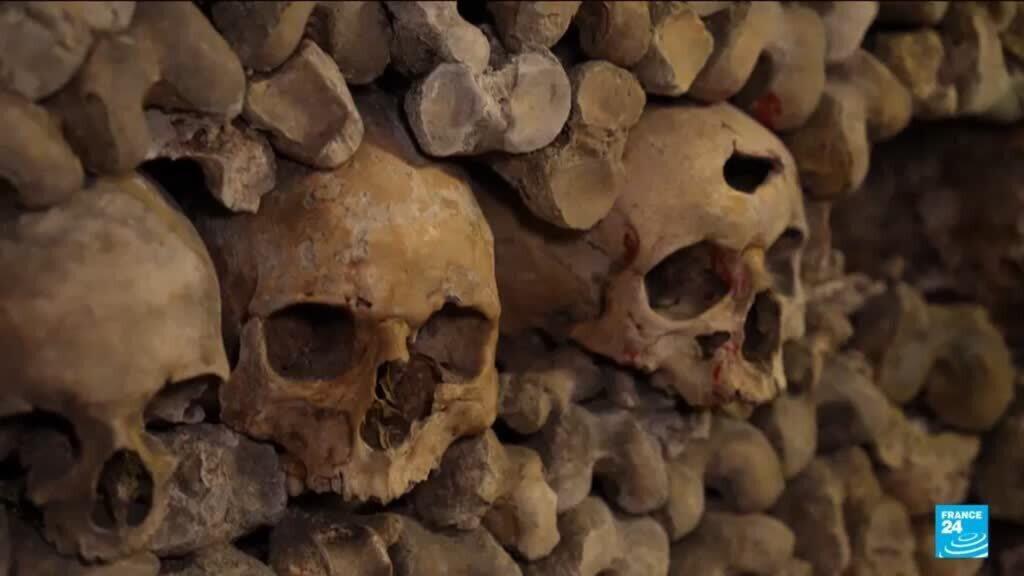
As the clock struck midnight on Monday, November 3rd, a profound silence descended upon one of Paris’s most macabre and mesmerizing attractions. The gates to the famed Catacombs of Paris swung shut, not for a day, nor a week, but for a full five months. This is not a simple pause for maintenance; it is a critical, large-scale intervention to preserve a fragile underground world that has captivated and chilled visitors for centuries. The ossuary, the final resting place for the remains of more than six million Parisians, is succumbing to the relentless pressures of time and the insidious threat of water infiltration. This ambitious restoration project, however, aims to do more than just patch up the walls; it seeks to fundamentally reinvent how we experience this city of the dead, with a grand reopening slated for the spring of 2026.
A City Beneath the City: The Weight of History
To understand the magnitude of this closure, one must first appreciate the sheer historical weight contained within these tunnels. The story of the Catacombs begins not with death, but with life—specifically, the limestone quarries that provided the very building blocks for the city above. As Paris expanded during the 17th and 18th centuries, its cemeteries, particularly the infamous Les Innocents, became overcrowded to a point of public health crisis. The decision was made to relocate the bones, a monumental task that started in the late 18th century. Night after night, processions of bone-laden carts would descend into the abandoned quarries, where workers meticulously arranged femurs, tibias, and skulls into the hauntingly artistic walls and patterns we see today.
This ossuary, officially termed “Les Carrières de Paris” (The Quarries of Paris), is more than a tourist attraction; it is a sacred, if unsettling, archaeological site. It is a tangible link to the Paris of the Enlightenment, the Revolution, and the countless ordinary lives that shaped the city. But how do you preserve something so vast, so old, and so inherently delicate?
The Invisible Enemy: Water Infiltration and Structural Decay
The primary adversary in this battle for preservation is water. Paris is built along the Seine, and its underground water table is a constant, lurking presence. Over decades, moisture has seeped through the limestone, creating a damp environment that weakens the structural integrity of the tunnels and promotes the growth of mold and mildew on the bones themselves. This isn’t a new problem, but it is a compounding one. The very material that built Paris—the limestone—is now porous enough to allow these slow, destructive infiltrations.
“Think of it as a centuries-old building that has never had a proper roof,” explains a conservation specialist familiar with the site, who spoke on condition of anonymity. “You’re constantly fighting the elements, but in this case, the elements are coming from all sides—from the ground below and the earth above. The salts in the water crystallize inside the bone, causing it to slowly crumble. It’s a race against time.”
The five-month project will involve a multi-pronged approach. Teams of engineers and restorers will work in the cramped, dark passages to install new, more effective drainage systems to divert groundwater. They will reinforce crumbling archways and vaults, some of which have shown signs of stress from the immense weight of the city above. Perhaps most painstakingly, conservators will assess and clean sections of the bone arrangements, removing harmful deposits and stabilizing the displays to ensure they can withstand the micro-climates created by thousands of visitors.
Beyond Preservation: Reimagining the Visitor Journey
While the structural and conservation work is the primary driver of the closure, the authorities overseeing the Catacombs are seizing this opportunity to overhaul the entire visitor experience. For years, the standard tour has been a relatively straightforward, somber walk through a portion of the extensive network. The new vision, set to debut in spring 2026, promises to be more immersive, educational, and respectful.
The planned renovations include state-of-the-art lighting that will better highlight the architectural features of the quarries and the artistry of the bone arrangements, while remaining sensitive to the atmosphere. New informational panels and potential audio-visual installations will provide deeper historical context, moving beyond the superficial ghost stories to explore the lives of the people whose remains are interred here, the quarry workers who shaped the tunnels, and the fascinating history of Parisian urban planning.
“We want visitors to leave with more than just a spooky memory,” a spokesperson for the Catacombs management stated in a recent briefing. “We want them to understand the profound historical narrative embedded in these walls. This is a story of public health, of art, of geology, and of memory. The new scenography will guide them through this narrative, creating a more profound and meaningful connection to the site.”
A Necessary Pause for an Eternal Resting Place
The closure is, without a doubt, an inconvenience. It disrupts travel itineraries and disappoints countless tourists who have long had the Catacombs on their bucket lists. The economic ripple effect will be felt by nearby businesses that rely on the steady stream of visitors. But can we really put a price on preserving a unique piece of human heritage?
This five-month hiatus is a testament to the commitment of French cultural authorities to proactive conservation. It’s a recognition that iconic landmarks cannot simply be milked for tourist revenue until they collapse; they require diligent, ongoing care. The work being done in the dark, silent tunnels over the coming months is an investment in the future, ensuring that generations to come can still walk those narrow passages and confront the sobering, beautiful reality of our own mortality.
What to Expect Upon Reopening in Spring 2026
When the Catacombs reopen their doors in the spring of 2026, visitors will be greeted by a site that is both familiar and transformed. The essential, eerie character will remain intact—the skulls and bones will still line the routes in their silent multitude. But the experience will be sharper, clearer, and richer.
Expect improved crowd management systems, making the journey through the underworld less congested and more contemplative. The air quality and humidity control will be better regulated, protecting both the ossuary and the comfort of visitors. Most importantly, the story of the Catacombs will be told with greater depth and nuance. The focus will shift from mere spectacle to a comprehensive historical journey, exploring the complex reasons behind the ossuary’s creation and its significance to the identity of Paris.
For now, the City of Light’s dark twin sleeps. The constant murmur of tourists has been replaced by the quiet, focused sounds of restoration. The bones of six million souls are, for a brief moment, left in peace, receiving the care they need to continue their eternal vigil. The wait until spring 2026 may seem long, but it is a small price to pay for the promise of a preserved, reimagined, and more deeply understood portal into Paris’s past.
Source: France 24 – Les célèbres Catacombes de Paris en travaux pour cinq mois