










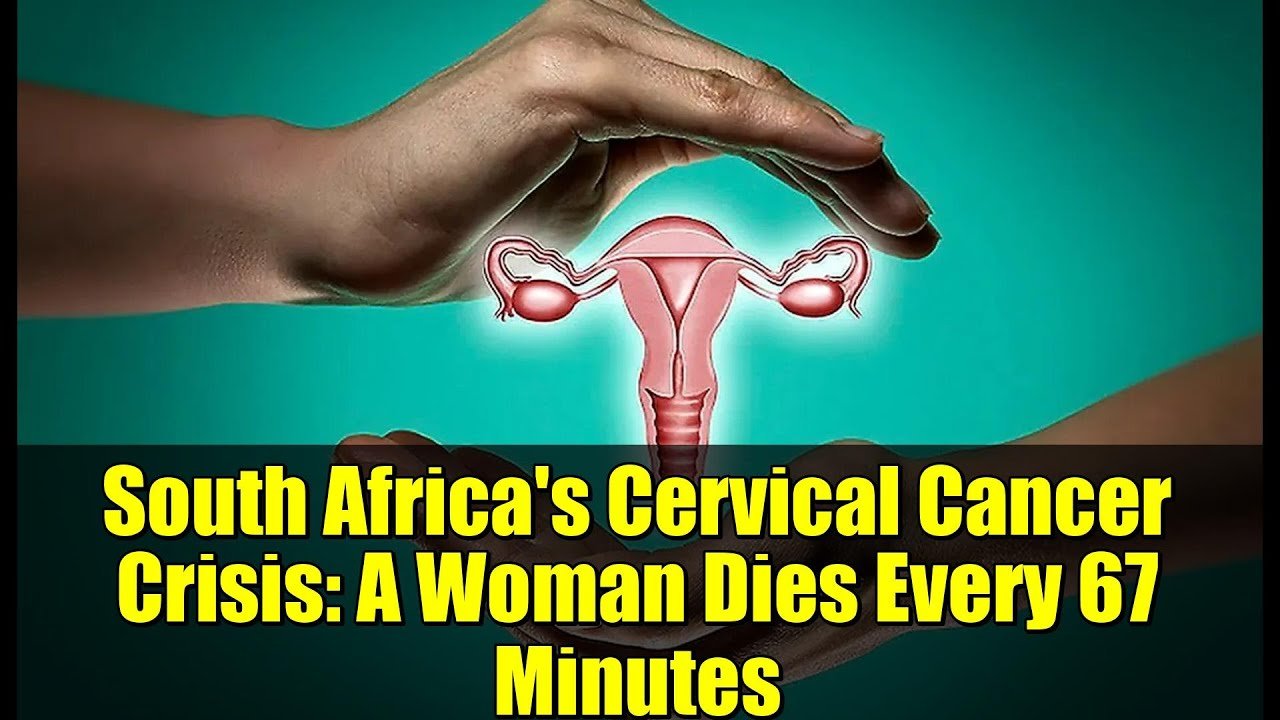
South Africa’s Cervical Cancer Crisis: A Woman Dies Every 67 Minutes
In a landmark move for global health, South Africa and Nigeria successfully sponsored a World Health Assembly resolution in May 2025, declaring 17 November as World Cervical Cancer Elimination Day. While a proud diplomatic achievement, the resolution’s theme, “Act Now,” rings with a particular urgency back home. If South Africa is serious about elimination, a sobering assessment of its own progress is required.
A Sobering National Reality
Cervical cancer holds the grim distinction of being the second-most-common cancer among women in South Africa. It disproportionately affects Black women who depend on the country’s public health services. According to the National Cancer Registry, 7,644 new cases were reported in 2023, translating to a lifetime risk of one in 27 women.
The human toll behind these statistics is staggering. Every single day:
- 29 women are diagnosed with cervical cancer—one every 82 minutes.
- 16 women die from the disease—one every 67 minutes.
A Call to Action from a Legacy
The late Professor Lyn Denny, a pioneering figure in the fight against this disease, left behind a powerful reminder: “no woman should die of cervical cancer because she did not have the opportunity to be screened.” Her words underscore a fundamental truth—the tools for prevention and early detection exist, yet access remains a critical barrier.
The recent World Health Assembly resolution is a step in the right direction, but the path to elimination is paved with domestic action. The question remains: how can a nation that champions a global elimination day ensure its own women are not left behind?
The Road to 2030: Ambitious Goals
Central to South Africa’s strategy is its school-based HPV vaccination programme. The ambitious target is to have 90% of girls vaccinated by 2030. This preventative measure is a cornerstone in the long-term fight against the human papillomavirus (HPV), the primary cause of cervical cancer. The success of this initiative is paramount to turning the tide on a crisis that claims a woman’s life more than every hour.