








In a series of high-profile dismissals that underscore the tense relationship between military service and public discourse in Mali, Colonel Alpha Yaya Sangaré has become the latest senior officer to be discharged from the Defense and Security Forces. His case, however, presents a unique and pivotal twist: it appears to be directly tied not to a coup plot or arms trafficking, but to the publication of a book. This move signals a critical moment where literature, national security, and military discipline have violently collided.
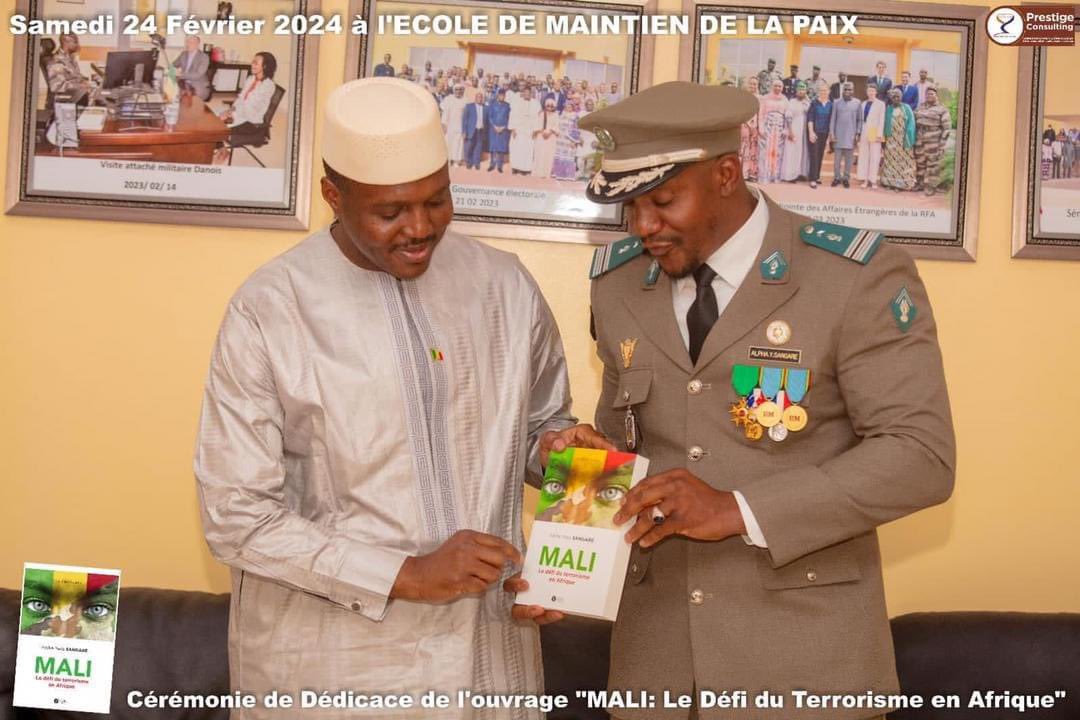
The official decree, published in the Official Journal on December 12, 2025, states Colonel Sangaré was discharged as a disciplinary measure, effective immediately. While the terse language of such documents typically cites “acts contrary to discipline” or “breach of duty,” the context here is anything but typical. Colonel Sangaré, until recently serving at the General Directorate of the National Gendarmerie, is the author of the controversial work, “The Challenges of Terrorism in Africa.” This book had previously earned him a detention order, a prelude to his ultimate dismissal.
Similar Articles
The book’s premise is analytical and strategic. According to its summary, Colonel Sangaré aimed to provide an in-depth examination of the terrorist threat across the African continent, with Mali as a central case study. He reportedly assessed existing counter-terrorism frameworks at national, regional (e.g., the G5 Sahel Joint Force), and continental (African Union) levels before proposing pathways to enhance their operational effectiveness and readiness. On the surface, this aligns with the work of a dedicated officer seeking solutions to his nation’s most pressing security crisis.
The paradox of the situation is starkly illustrated by the book’s launch event. It was attended by high-ranking authorities, including Prime Minister and Minister of Territorial Administration, General Abdoulaye Maïga. This presence lent the publication an aura of solemnity and apparent institutional endorsement. The event suggested that critical, internal strategic debate was not only tolerated but encouraged—a perception that has now been decisively shattered.
The turning point came with a thorough examination of the book’s contents by military and state authorities. The official position, as inferred from the discharge, is that the text contained information deemed erroneous, sensitive, and damaging to the image and operational integrity of the Malian Armed Forces (FAMa). More specifically, the act of publishing such analysis was judged a fundamental breach of the military’s core tenets: the duty of confidentiality (safeguarding operational methods, intelligence sources, and internal assessments) and the obligation of loyalty (presenting a unified front and upholding the chain of command). In essence, the state’s message is that a soldier’s analysis belongs in classified briefings, not on public bookshelves.
This case raises profound questions that extend beyond Mali’s borders:
1. The Limits of Military Expertise in Public Discourse: Where is the line between a serving officer contributing valuable insight to a national debate and violating secrecy protocols?
2. The Nature of “Sensitive” Information: Does it pertain only to troop movements and names of agents, or can it extend to critical assessments of strategy and institutional effectiveness?
3. A Chilling Effect on Intellectualism within the Ranks: Does this action risk stifling internal critique and strategic innovation by punishing its public expression?
Colonel Sangaré’s discharge places him alongside Generals Abass Dembélé, Nema Sagara, and others recently purged for alleged destabilization attempts. Yet, his path—through authorship—marks a distinct and modern form of alleged insubordination. It transforms his book from a mere text into a key piece of evidence in a disciplinary proceeding, and his pen into a weapon deemed as dangerous as any other. The “Book of Misfortune” is more than a title; it is now a cautionary tale about the perilous intersection of scholarship and service in an era of asymmetric warfare and fragile states.
Coulibaly A
Mali24
Learn more about Mali 24
Subscribe to get the latest posts sent to your email.