Trump’s Strait of Hormuz Ultimatum: A 60-Day Window with High Stakes for West African Energy Security
The Report
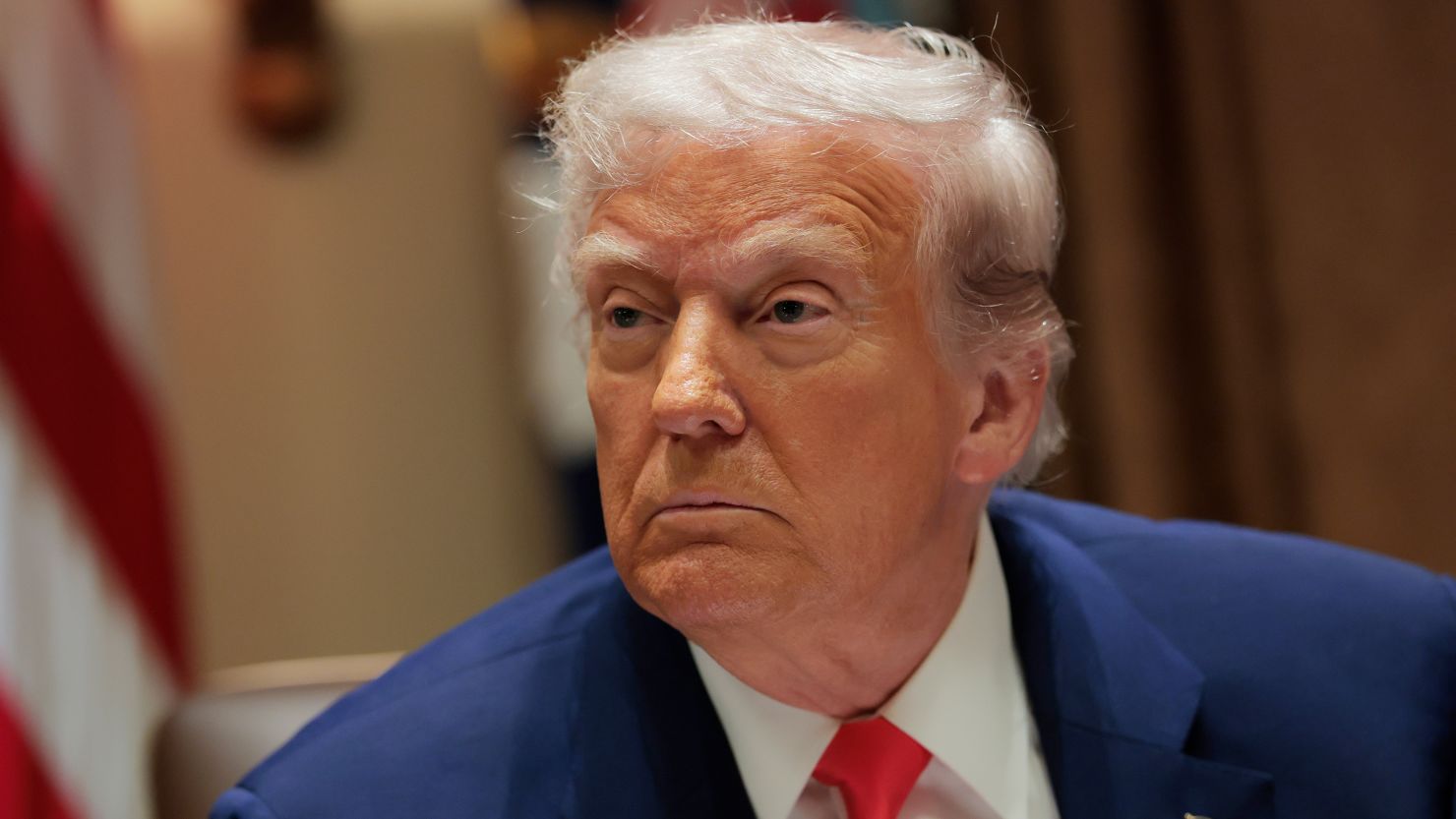
As reported by Anadolu Agency (AA), U.S. President Donald Trump announced on Saturday that no maritime fees will be permitted in the Strait of Hormuz during the current 60-day ceasefire. Trump warned that after this period, the United States could impose its own tolls on vessels transiting the strategic waterway, describing the potential fees as compensation for “services rendered as a guardian angel” to Middle Eastern nations. The statement, posted on Trump’s Truth Social platform, explicitly stated: “There will be no tolls (…) unless they are imposed by and for the United States of America.”
“There will be no tolls (…) unless they are imposed by and for the United States of America.”
The announcement follows a declaration by Iran’s Khatam al-Anbiya Central Headquarters that the waterway would be closed, citing alleged U.S. violations of commitments and Israeli breaches of the Lebanon ceasefire. However, the U.S. Central Command (CENTCOM) rejected Iran’s claim, with spokesman Captain Tim Hawkins asserting, “Iran does not control the Strait of Hormuz,” and confirming that U.S. forces remain “present and vigilant” to ensure unimpeded maritime traffic.
WANA Regional Analysis
While the Strait of Hormuz lies thousands of kilometres from West African shores, the implications of this 60-day ultimatum resonate deeply across the region’s energy-dependent economies. West Africa, particularly Nigeria, Ghana, and Côte d’Ivoire, remains heavily reliant on crude oil exports and refined petroleum imports that transit global shipping lanes. Any disruption or increased cost in the Strait of Hormuz—through which approximately 20% of the world’s petroleum passes—could trigger immediate price volatility in West African markets.
From a regional policy perspective, the 60-day window presents both a risk and an opportunity. If Trump follows through on imposing U.S. tolls after the ceasefire, the cost of shipping crude from the Middle East to West African refineries—or of West African crude to Asian markets—could rise. This would likely increase domestic fuel prices in countries already grappling with subsidy reforms and inflationary pressures. For ECOWAS member states, the prospect of a unilateral U.S. toll on a critical chokepoint introduces a new layer of geopolitical uncertainty that could complicate trade negotiations and energy security planning.
Historically, West African governments have been vulnerable to external shocks in global energy corridors. The 2019 attacks on Saudi Aramco facilities, for instance, sent ripples through Nigerian fuel markets. The current situation, however, is distinct: it involves a direct U.S. threat to monetise a strategic waterway, which could set a precedent for other chokepoints, including the Gulf of Guinea. If the United States successfully imposes tolls in the Strait of Hormuz, it may embolden other naval powers to consider similar measures in regions critical to West African trade, such as the Suez Canal or the Cape of Good Hope route.
Against this backdrop, the 60-day ceasefire offers a brief reprieve for West African policymakers to assess contingency plans. The region’s dependence on imported refined petroleum—Nigeria alone imports over 70% of its fuel—means that any sustained increase in shipping costs would directly impact household budgets and industrial output. ECOWAS energy ministers may need to accelerate discussions on regional refining capacity and strategic petroleum reserves, topics that have long been deferred.
Furthermore, the diplomatic dimension cannot be ignored. Trump’s statement signals a willingness to use economic coercion in international waters, a posture that may strain relations with West African nations that rely on multilateral frameworks for maritime governance. The African Union’s recent push for a continental free trade area (AfCFTA) could be undermined if major trading routes become subject to unilateral tolls. West African leaders, particularly those in the Gulf of Guinea Commission, should monitor this development closely and consider coordinated diplomatic responses to protect their maritime interests.
Regional Backdrop
The Strait of Hormuz has long been a flashpoint in U.S.-Iran tensions, with periodic threats of closure dating back to the Iran-Iraq War. For West Africa, the region’s own maritime security challenges—piracy, illegal fishing, and oil theft in the Gulf of Guinea—have historically drawn more immediate attention. However, the interconnected nature of global energy markets means that instability in the Persian Gulf can quickly translate into higher costs and reduced supply for West African consumers. The 60-day timeline set by Trump aligns with ongoing diplomatic efforts in the Middle East, but it also creates a deadline that could reshape global shipping economics if a permanent agreement is not reached.
Original Reporting By:
Anadolu Agency (AA)

Comments