
Colman Domingo’s Family Support Highlights Broader West African Conversations on LGBTQ+ Acceptance
The Report
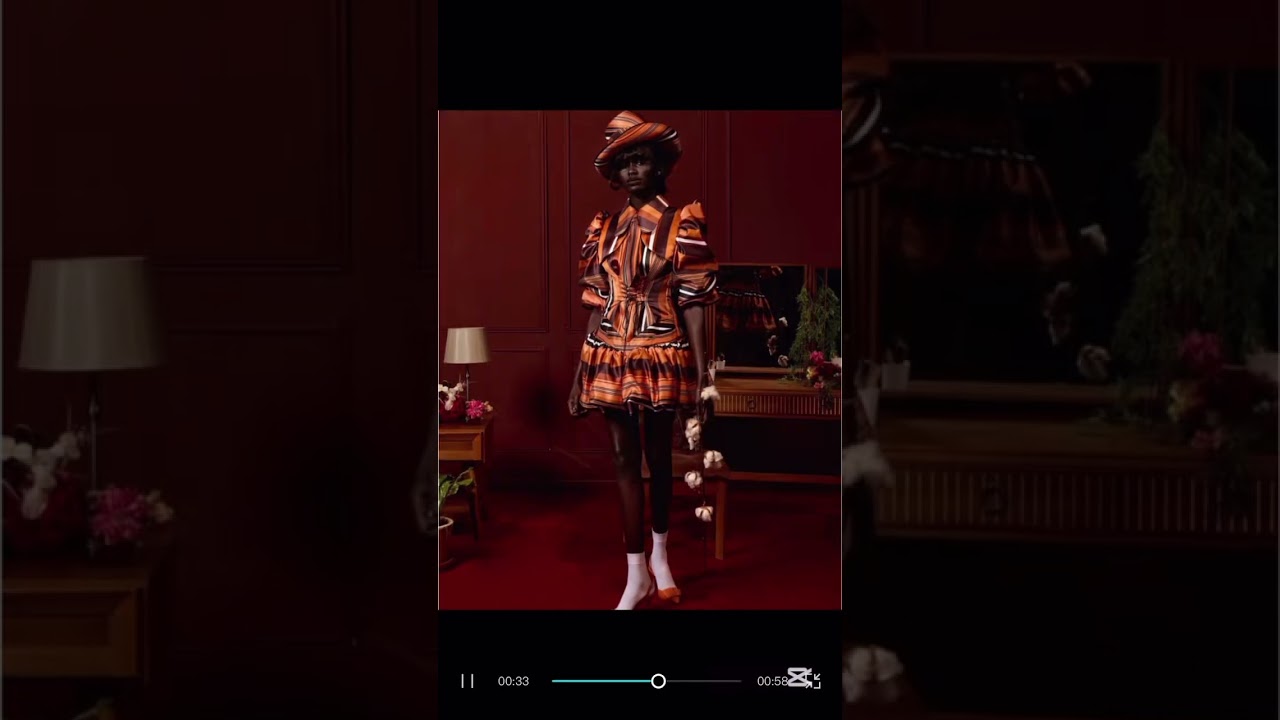
As reported by Men’s Health, award-winning actor Colman Domingo has shared details of his family’s supportive reaction when he came out as gay. The 56-year-old actor recounted telling his older brother in the early 1990s at a strip club, initially anxious due to his brother’s tough demeanor. According to Domingo, his brother responded, “I don’t care, man. I love you anyway,” and promised to keep the confidence. Two days later, Domingo told his sister, who was upset not because of his sexuality but because she was not told first. His mother and stepfather also responded with unconditional love, with his stepfather stating, “You’re a good boy and there’s nothing you can tell me that would make me stop loving you.”
“I told him that I was gay. He looked at me and was just like, ‘What?’ He just couldn’t believe it. Eventually, he said, ‘I don’t care, man. I love you anyway.’ And he just hugged me. Then he said, ‘Have you told anyone else? I said, no. He said, ‘Alright, this stays between you and me.’”
WANA Regional Analysis
While Colman Domingo’s story originates from the United States, its resonance across West Africa is profound. Across the region, LGBTQ+ individuals face severe legal and social challenges. Same-sex relationships are criminalized in 12 of 15 ECOWAS member states, with penalties ranging from imprisonment to, in some cases, death. Nigeria, Ghana, and Senegal maintain some of the most restrictive laws, while Cape Verde, Côte d’Ivoire, and Benin offer more tolerant legal environments.
Domingo’s experience of familial acceptance stands in stark contrast to the lived reality for many West Africans. In countries where family honor and community reputation are paramount, coming out often leads to disownment, violence, or forced conversion therapy. The actor’s narrative, however, offers a rare counterpoint—a model of love and acceptance that, if amplified, could challenge deeply entrenched stigmas.
From a governance and human rights perspective, the story underscores the widening gap between progressive global norms and regional legislation. ECOWAS has faced criticism for its silence on LGBTQ+ rights, even as international partners condition aid on human rights improvements. The Economic Community of West African States (ECOWAS) has yet to issue a binding directive on non-discrimination based on sexual orientation, leaving member states to legislate independently.
Economically, the lack of legal protections for LGBTQ+ individuals stifles talent and innovation. A 2020 World Bank study estimated that discrimination against sexual minorities costs sub-Saharan Africa billions in lost GDP annually, as skilled workers migrate to more inclusive environments. Domingo’s success—an openly gay Black actor winning an Emmy and Oscar nominations—serves as a powerful testament to what is possible when families and societies choose acceptance over exclusion.
Diplomatically, the story arrives at a time when West African governments are navigating pressure from both conservative religious constituencies and international human rights bodies. Ghana’s anti-LGBTQ+ bill, currently stalled in parliament, has drawn sharp condemnation from Western capitals. Domingo’s narrative could be leveraged by civil society organizations as a tool for advocacy, demonstrating that acceptance does not erode cultural values but strengthens family bonds.
Regional Backdrop
West Africa’s relationship with LGBTQ+ rights is complex and evolving. Colonial-era laws, particularly British and French penal codes, remain on the books in many countries. Religious leaders—both Christian and Muslim—wield significant influence, often framing homosexuality as un-African. Yet, grassroots movements are growing. In Nigeria, the Bisi Alimi Foundation works to change hearts and minds. In Senegal, activists like Doudou Diop have faced imprisonment but continue to push for decriminalization.
The contrast between Domingo’s family story and regional realities highlights the power of visibility. When public figures share positive coming-out experiences, they chip away at the narrative that LGBTQ+ identities are inherently shameful. For West African audiences, such stories can be transformative—offering hope to young people who fear rejection and providing families with a blueprint for love over condemnation.
Original Reporting By:
Men’s Health

Comments