







New York Knicks’ NBA Title: A Symbolic Victory with Echoes for West African Basketball Development
The Report
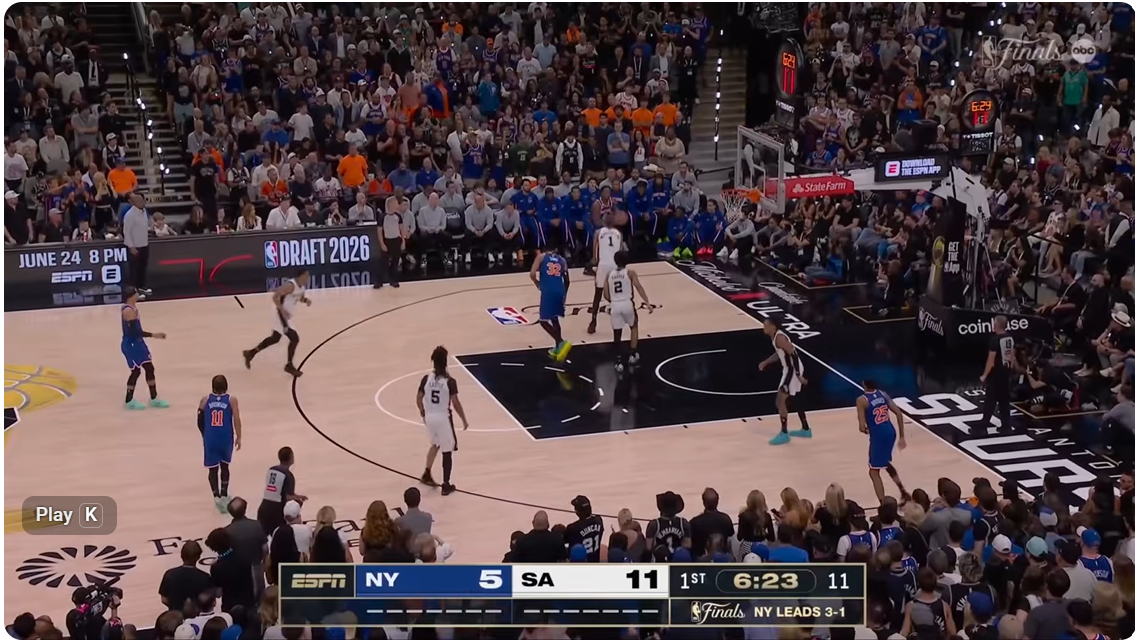
As reported by Rolling Out, the New York Knicks have ended a 53-year championship drought, defeating the San Antonio Spurs 94-90 in Game 5 of the NBA Finals. The victory, secured on Saturday night, marks the franchise’s first title since 1973. Guard Jalen Brunson delivered a standout performance, scoring 45 points, including 13 unanswered points in the fourth quarter, to seal the win.
“For 53 years, New York waited. On Saturday night, the wait ended.”
The Knicks’ triumph closes a historic chapter of futility for one of the league’s most storied franchises, ending the longest active championship drought in the NBA.
WANA Regional Analysis
While the Knicks’ victory is a domestic sporting event, its implications for West Africa are not trivial. The NBA has invested heavily in the region, particularly through the NBA Africa initiative, the Basketball Africa League (BAL), and grassroots development programs in Nigeria, Senegal, Ghana, and Côte d’Ivoire. The Knicks’ championship, achieved with a roster that includes players with African heritage and a coaching staff that has scouted talent from the continent, reinforces the NBA’s global narrative—one that increasingly centers on African talent pipelines.
From a regional policy perspective, the Knicks’ success may accelerate interest in basketball as a viable career path for West African youth. Countries like Nigeria and Senegal have already produced NBA players, and the BAL has provided a professional platform. The Knicks’ title, broadcast across West Africa via NBA League Pass and local sports networks, could inspire a new generation of athletes and investors in basketball infrastructure.
Economically, the championship could boost the NBA’s commercial footprint in West Africa. The league has already secured sponsorship deals with African telecom and beverage companies. A high-profile title for a global brand like the Knicks may lead to increased merchandise sales, exhibition games, and youth camps in the region. For ECOWAS member states, this represents a soft power opportunity—leveraging sports to enhance regional visibility and attract tourism and investment.
Diplomatically, the NBA’s growing presence in West Africa aligns with broader U.S. foreign policy interests in the region, including youth engagement and economic development. The Knicks’ victory could be used as a platform for U.S. embassies and cultural missions to promote basketball diplomacy, similar to how the NFL and MLB have engaged in Latin America and Asia.
Security and governance implications are indirect but notable. Sports development, particularly basketball, has been used in West Africa as a tool for social cohesion and youth diversion from conflict. The Knicks’ championship narrative—perseverance, teamwork, and long-term investment—resonates with ongoing efforts in countries like Liberia, Sierra Leone, and Mali to rebuild social trust through sports.
Against this backdrop, the Knicks’ title is more than a New York story. It is a signal to West African basketball federations, private investors, and policymakers that the global basketball economy is expanding, and the region stands to benefit if strategic investments in infrastructure, coaching, and player development are sustained.
Regional Backdrop
West Africa has a growing basketball ecosystem. The BAL, launched in 2021, features teams from Nigeria, Senegal, Mali, and other African nations. Nigerian players have been drafted into the NBA at increasing rates, and Senegal has produced multiple NBA veterans. The Knicks themselves have scouted in the region, and the team’s front office has expressed interest in African talent. The championship may accelerate these trends, as winning teams often set the template for roster construction and player development strategies.
Historically, West African governments have underinvested in basketball compared to football (soccer). However, the NBA’s financial commitment—including the construction of courts, training academies, and the BAL—has shifted priorities. The Knicks’ title could serve as a catalyst for public-private partnerships in sports infrastructure, particularly in urban centers like Lagos, Accra, and Abidjan.
Original Reporting By:
Rolling Out