











December 14, 2025
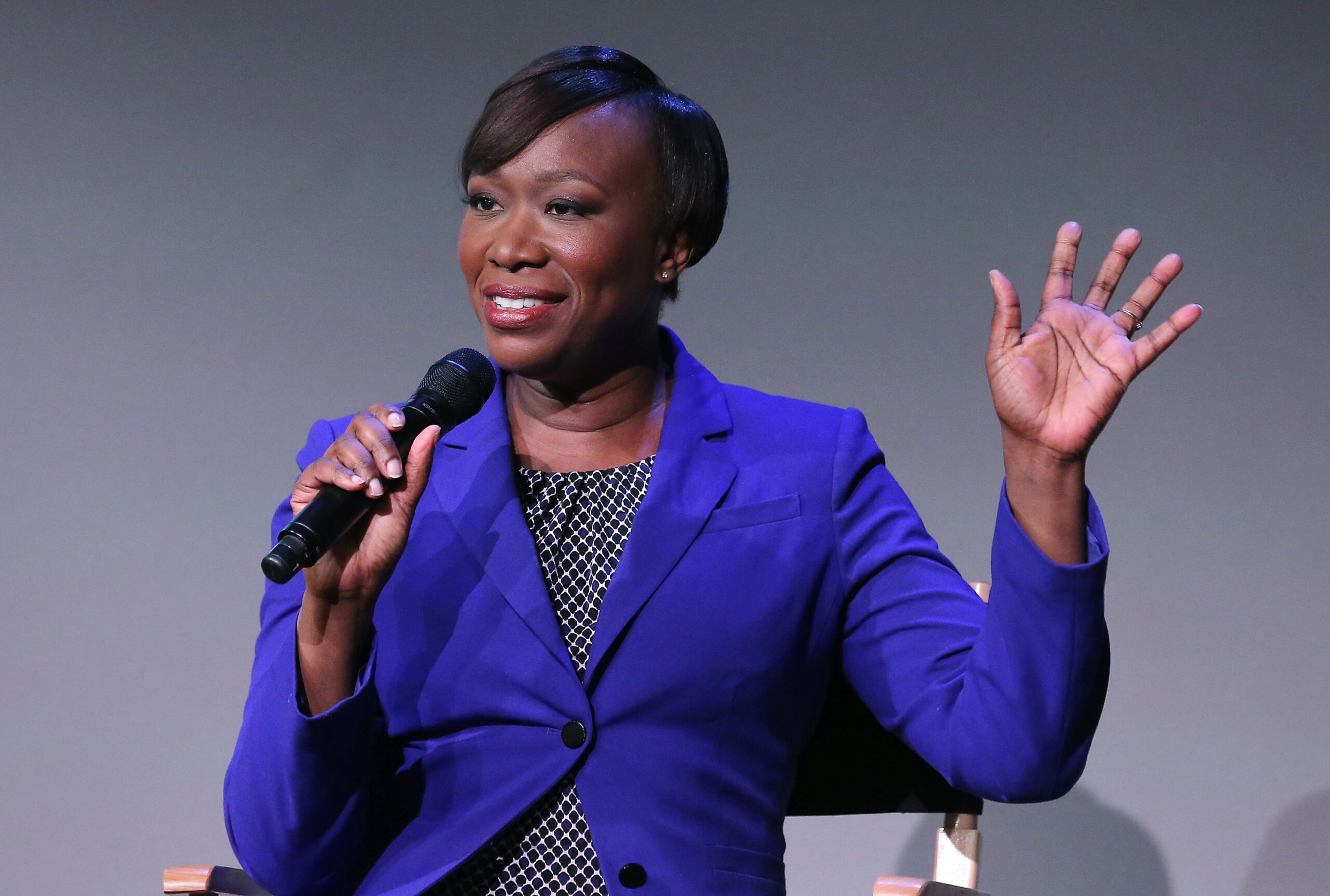
A viral video shared by Joy Reid has reignited a crucial historical debate, moving beyond simplistic headlines to examine the documented minstrel show origins of the holiday classic and what this context means for our understanding of cultural history.
When MSNBC host Joy Reid shared a video by historian and social media creator Khalil Greene, the reaction followed a familiar pattern: headlines screamed of an “attack on Christmas.” However, this framing misses the substantive historical conversation at the heart of Greene’s content. The discussion isn’t about banning a beloved carol, but about understanding the full, unvarnished history of American popular culture—a history that is often sanitized or forgotten.
Greene’s meticulously researched video, set to a hauntingly slow rendition of “Jingle Bells,” does more than make a claim; it traces a historical lineage. It connects the song’s composer, James Lord Pierpont, to the pervasive minstrel entertainment of the 19th century. This context is vital. Minstrelsy wasn’t a niche art form; it was the most popular form of American entertainment for decades, built on white performers in blackface presenting grotesque, dehumanizing caricatures of Black people that reinforced stereotypes and justified racial oppression.
The core of Greene’s—and the subsequent debate’s—argument rests on peer-reviewed academic work. The key source is the 2017 article “The story I must tell: ‘Jingle Bells’ in the Minstrel Repertoire,” by historian Kyna Hamill, published in Cambridge University Press’s Theatre Survey.
Hamill’s research documents that the song’s first known public performance was in 1857 at Ordway Hall in Boston—not in a church or a family gathering, but as part of a blackface minstrel show. “The song was first performed in blackface,” Hamill states plainly. Her work tracks how “Jingle Bells” circulated within the minstrel tradition for years before being adopted into the secular Christmas canon. This is a critical distinction: the research examines the song’s provenance and early life, not its modern intent.
Understanding Pierpont’s background adds another layer. He was a Confederate sympathizer who wrote other songs containing explicitly racist language. This doesn’t automatically taint every note of “Jingle Bells,” but it completes the historical portrait. The song emerged from a specific cultural milieu—one deeply entwined with racism and commodified mockery.
It is crucial to note what this historical examination is not saying. Neither Greene’s video nor Hamill’s research argues that people singing “Jingle Bells” today are engaging in a racist act. The claim is not about present-day intent. Instead, it’s an exercise in historical archaeology: uncovering the often-ugly foundations upon which many aspects of mainstream American culture were built. It asks us to hold two truths simultaneously: a song can be a harmless, joyful holiday staple for millions and have a genesis rooted in a harmful, racist entertainment tradition.
This conversation resurfacing around Joy Reid is itself a case study in modern media. The focus on her, rather than on the historian (Hamill) or the content creator (Greene) who did the foundational work, illustrates how complex historical discussions often get reduced to culture-war flashpoints. The real value lies in moving past the incendiary headline to engage with the history itself. Doing so allows for a more mature relationship with our cultural heritage—one that acknowledges complexity, embraces uncomfortable truths, and ultimately leads to a richer, more honest understanding of the past that shaped our present.
RELATED CONTENT: Black Santa Is Coming To Town: Here’s Where You Can Catch The Christmas Icon