






Grenada’s V’ghn Elevates Caribbean Culture and Regional Music Diplomacy on Global Stage
The Report
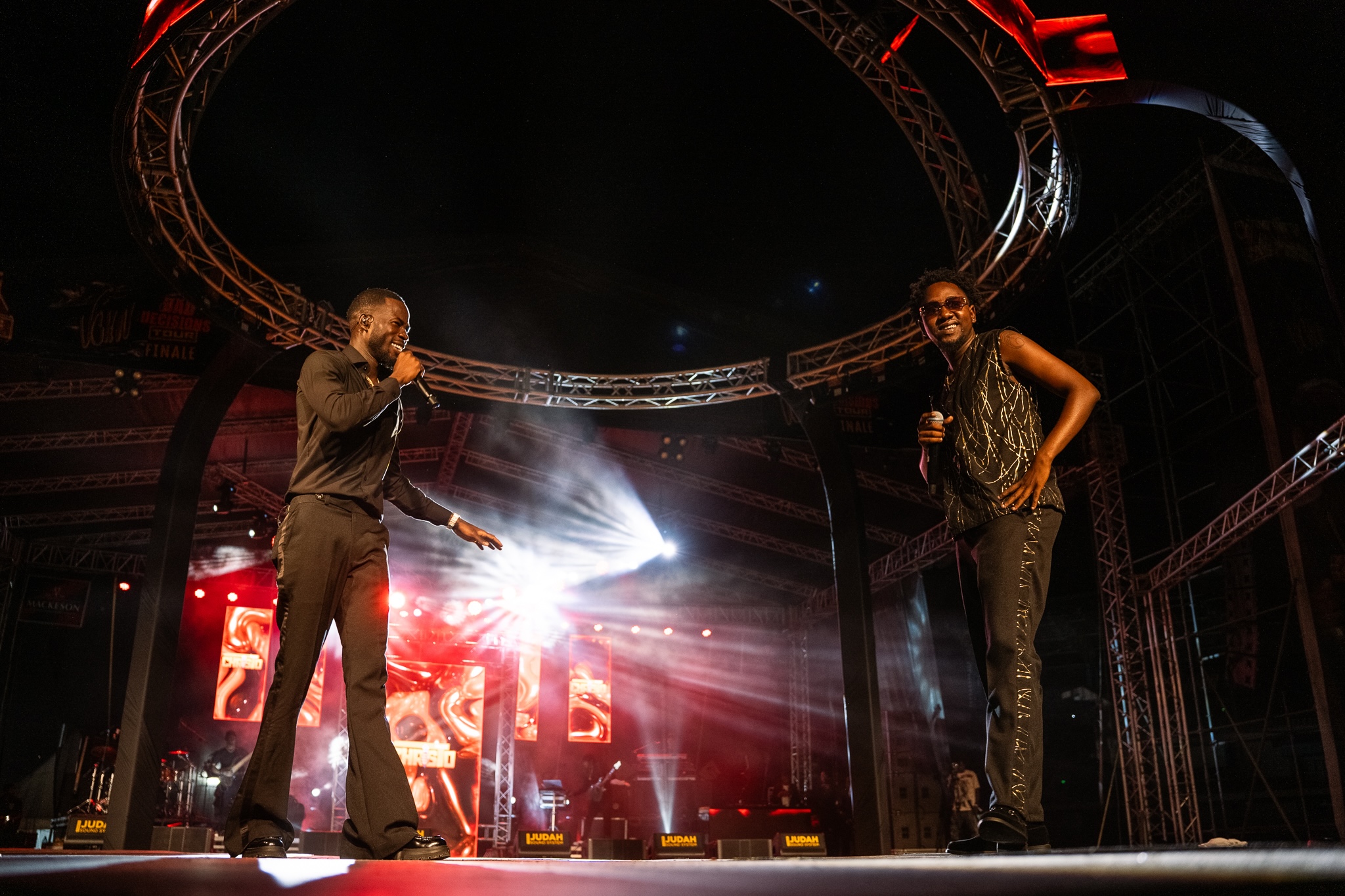
As reported by Ebony journalist [Reporter Name], Grenadian soca artist V’ghn (Jevaughn John) concluded his V30: Jab Decisions tour with a landmark performance at Kirani James National Stadium in Grenada on April 30. The event featured 12 guest artists from across the Caribbean, including Trinidad & Tobago’s Voice, Lyrikal, Mical Teja, Full Blown, Christo, and Coutain; St. Vincent’s Skinny Fabulous; Jamaica’s Ding Dong; and Grenadian artists Dred Lion, Bubbah 473, Dash, and Lil’ Kerry. The tour, inspired by his hit “Jab Decisions,” which debuted at Grenada’s Spicemas carnival, also included stops in London, Toronto, Miami, and New York.

V’ghn’s stage design—a horned structure paying homage to Grenada’s Jab Jab masquerade tradition—was the first of its kind in live entertainment, according to his publicity team. The artist emphasized that the tour was not merely a showcase but a deliberate effort to promote pay equity and regional collaboration. He stated:
“This year was a year of giving for me. I made a conscious decision to not focus on myself, but to help others. I took guys who has never toured before. I made sacrifices, cutting my price in half so that other people could get paid. I want people to see that it’s not just me, but there’s so much talent in Grenada, so much talent in the Caribbean. If we all come together, we can make some of the greatest shows in the world.”
Following the tour, V’ghn released a new single, “Knock It,” and is preparing an album for Spicemas 2026, which he describes as a fusion of soca, dancehall, R&B, and other influences.
WANA Regional Analysis
V’ghn’s V30 tour and its finale in Grenada represent more than a musical milestone; they signal a strategic shift in how Caribbean artists—particularly those from smaller nations like Grenada—are leveraging cultural heritage for regional integration and global visibility. For West Africa, where music and carnival traditions share deep historical roots with the Caribbean through the transatlantic slave trade, this development offers a compelling model for cultural diplomacy and economic empowerment.
Cultural Diplomacy and Regional Branding
V’ghn’s deliberate use of Jab Jab imagery—a masquerade rooted in Grenada’s history of slave rebellion—mirrors how West African nations, such as Ghana and Nigeria, have used festivals like Chale Wote and Felabration to assert cultural identity and attract tourism. By centering his tour on a symbol of resistance and liberation, V’ghn is effectively exporting Grenadian heritage to diaspora audiences in North America and Europe. This approach could inspire West African artists and cultural ministries to invest in similar “heritage tours” that connect diaspora communities to their ancestral roots, potentially boosting tourism and soft power.
Economic Implications for the Creative Sector
V’ghn’s advocacy for pay equity and his decision to reduce his own fee to ensure fair compensation for guest artists addresses a persistent challenge in the Caribbean and West African music industries: the exploitation of emerging talent by established acts and promoters. If this model gains traction, it could encourage more equitable revenue-sharing structures across the region’s creative economy. For West Africa, where the music industry is projected to grow significantly but remains fragmented, V’ghn’s example offers a blueprint for collective bargaining and tour co-ordination that could strengthen the sector’s bargaining power globally.
ECOWAS and CARICOM Parallels
While V’ghn’s tour was Caribbean-focused, the dynamics of regional collaboration resonate with ECOWAS’s efforts to promote intra-regional trade and cultural exchange. The Economic Community of West African States has long sought to harmonise visa policies and reduce barriers for artists and cultural practitioners. V’ghn’s ability to bring together artists from Trinidad, St. Vincent, Jamaica, and Grenada—each with distinct visa and travel requirements—demonstrates the logistical and political will required for such integration. West African policymakers could study this as a case study for easing movement of creative professionals within the region.
Infrastructure and Live Entertainment
The use of Kirani James National Stadium for a major concert underscores the importance of investing in multi-purpose venues capable of hosting large-scale cultural events. In West Africa, stadiums in cities like Accra, Lagos, and Abidjan are increasingly used for concerts, but many lack the technical infrastructure (sound, lighting, stage design) to compete with global standards. V’ghn’s custom horned stage—a first in live entertainment—highlights how innovative design can differentiate a region’s cultural offerings and attract international attention. West African event organisers and governments could consider similar investments to position their cities as hubs for global music tourism.
Historical and Cultural Resonance
V’ghn’s explicit connection of Jab Jab to slave rebellion and ancestral memory echoes similar movements in West Africa, where festivals like the Osun-Osogbo in Nigeria or the Homowo in Ghana celebrate resistance and survival. By framing his music as a continuation of this legacy, V’ghn reinforces the transatlantic cultural continuum that binds West Africa and the Caribbean. This narrative could be leveraged by West African cultural institutions to deepen ties with Caribbean nations through joint festivals, artist exchanges, and academic collaborations.
Regional Backdrop
The Caribbean and West Africa share a complex history shaped by the transatlantic slave trade, colonialism, and subsequent diaspora movements. Music and carnival traditions—from Trinidad’s calypso to Grenada’s Jab Jab—are direct descendants of West African masquerade and oral traditions. In recent years, there has been a resurgence of interest in these connections, with initiatives like the African Union’s Sixth Region (diaspora) and the CARICOM-Africa Summit seeking to formalise cultural and economic ties. V’ghn’s tour, while not explicitly political, operates within this broader context of reconnection and mutual recognition.
Original Reporting By:
Ebony