Liberia’s SRHR Jamboree: A Regional Signal on Youth Agency and Demographic Dividends
The Report
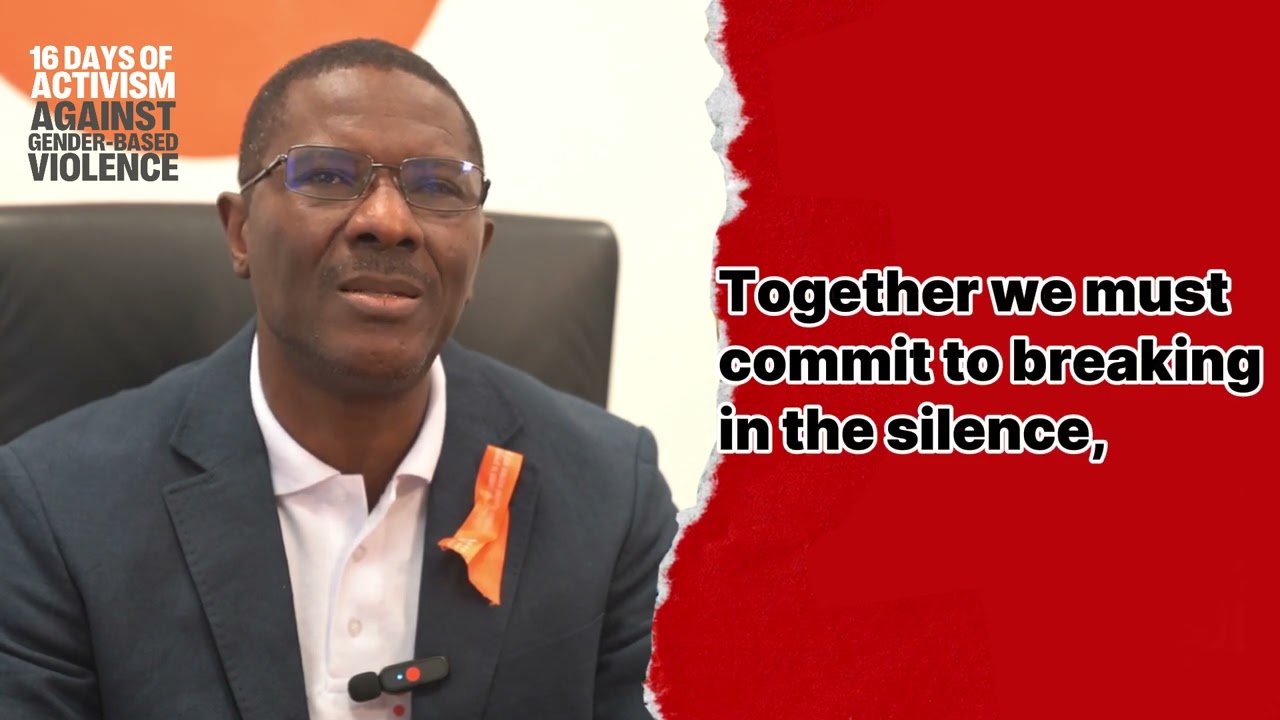
As reported by the original source, the United Nations Population Fund (UNFPA) convened hundreds of young Liberians in Monrovia for the 2026 Sexual and Reproductive Health and Rights (SRHR) Youth Jamboree, held June 19–20. UNFPA Liberia Country Representative Dr. Mady Biaye addressed the gathering, emphasizing that bodily autonomy is foundational to equality, education, and economic empowerment.
“It is impossible to talk about equality, education, or economic empowerment without addressing bodily autonomy,” Dr. Biaye said. “When young people don’t have control over their own health and reproductive choices, the trajectory of their entire life—from their education to their future financial stability—is compromised.”
The event, organized by the Amplifying Rights Network (ARN) and a coalition of SRHR organizations with support from UNFPA, OHCHR, KTK, and Medica Liberia, brought together high school and university students, out-of-school youth, advocates, civil society, and community leaders. Sessions covered sexual and reproductive health, mental health, gender equality, consent, substance abuse prevention, and youth leadership, alongside creative activities including dance, music, spoken word, and board games. Organizers reported that the jamboree successfully promoted accurate SRHR information, strengthened youth leadership, and created a safe space for engagement.
The United Nations Population Fund (UNFPA) has called on young Liberians to take control of their health and future as hundreds of youths gathered in Monrovia for the 2026 Sexual and Reproductive Health and Rights (SRHR) Youth Jamboree.
Speaking at the opening of the two-day event, UNFPA Liberia Country Representative Dr. Mady Biaye said empowering young people with accurate information and access to sexual and reproductive health services is essential to achieving equality, education, and economic empowerment.
WANA Regional Analysis
While the event itself is a domestic Liberian initiative, its implications ripple across the West African region. The jamboree’s focus on youth agency and SRHR directly intersects with the demographic dividend challenge facing nearly every ECOWAS member state. West Africa has the world’s youngest population, with a median age below 19 in several countries. Yet, this demographic potential is often undermined by high rates of adolescent pregnancy, limited access to youth-friendly health services, and persistent gender inequality.
From a regional policy perspective, the UNFPA’s emphasis on bodily autonomy as a prerequisite for economic empowerment aligns with the ECOWAS Strategic Plan for Youth Development (2020–2030), which prioritizes health, education, and employment. However, implementation gaps remain wide. Liberia’s jamboree model—combining formal education with creative expression and peer-to-peer learning—offers a replicable template for other member states seeking to operationalize these commitments at the grassroots level.
The involvement of multiple UN agencies and civil society organizations underscores a broader trend: the shift from top-down health programming toward community-led, youth-centered approaches. This is particularly significant in a region where cultural taboos and misinformation often obstruct SRHR discourse. By creating a “safe space” for dialogue, the jamboree directly challenges the stigma that frequently silences young people, especially girls, on matters of reproductive health and consent.
Economically, the implications are measurable. The World Bank estimates that adolescent pregnancy costs sub-Saharan Africa billions of dollars annually in lost productivity and health expenditures. In Liberia, where nearly 30% of girls aged 15–19 have begun childbearing, interventions that delay first pregnancy and improve family planning uptake can yield substantial returns in educational attainment and workforce participation. The jamboree’s focus on peer education—training attendees as “peer educators, advocates, and shields”—creates a multiplier effect that extends far beyond the 1,000 participants.
Diplomatically, the event reinforces Liberia’s position as a testbed for SRHR innovation within the ECOWAS bloc. As regional debates intensify over reproductive rights, gender equality, and youth empowerment—particularly in the context of the African Union’s Agenda 2063—Liberia’s willingness to host such a visible, multi-stakeholder jamboree signals a progressive stance that may influence neighboring countries. It also strengthens the case for continued donor investment in West African health systems, at a time when global health funding faces competing priorities.
Security and governance dimensions also merit attention. Youth disenfranchisement—fueled by poor health outcomes, limited economic opportunity, and lack of agency—is a known driver of instability in the region. By equipping young people with knowledge, networks, and leadership skills, SRHR programming contributes indirectly to social cohesion and conflict prevention. The jamboree’s theme, “Reclaiming the Narrative: Empowering Youth through Truth, Solidarity, and Expression,” explicitly positions SRHR as a tool for countering misinformation and building resilient communities.
Regional Backdrop
West Africa’s demographic profile is both an opportunity and a challenge. The region’s youth population is projected to double by 2050, placing immense pressure on health systems, education infrastructure, and labor markets. Historically, West African governments have struggled to translate policy commitments into tangible outcomes for young people. The 2019 Ouagadougou Declaration on Youth and Peacebuilding, for example, recognized youth as agents of peace but has seen uneven implementation across member states.
In the SRHR domain, progress has been mixed. While countries like Ghana and Senegal have made strides in reducing maternal mortality and expanding family planning access, others—including Liberia—continue to grapple with high unmet need for contraception, early marriage, and gender-based violence. The COVID-19 pandemic exacerbated these challenges, disrupting health services and increasing adolescent pregnancy rates across the region.
Against this backdrop, the UNFPA’s sustained engagement in Liberia—and its willingness to support youth-led initiatives like the SRHR Jamboree—reflects a strategic recalibration. Rather than focusing solely on clinical service delivery, the agency is investing in demand-side interventions that build health literacy, social capital, and advocacy capacity among young people. This approach, if scaled, could reshape the region’s health governance landscape.
Original Reporting By:
Original Source

Comments