


Mali’s Cybercrime Court Opens Criminal Chamber: A Test for Digital Justice in the Sahel
The Report
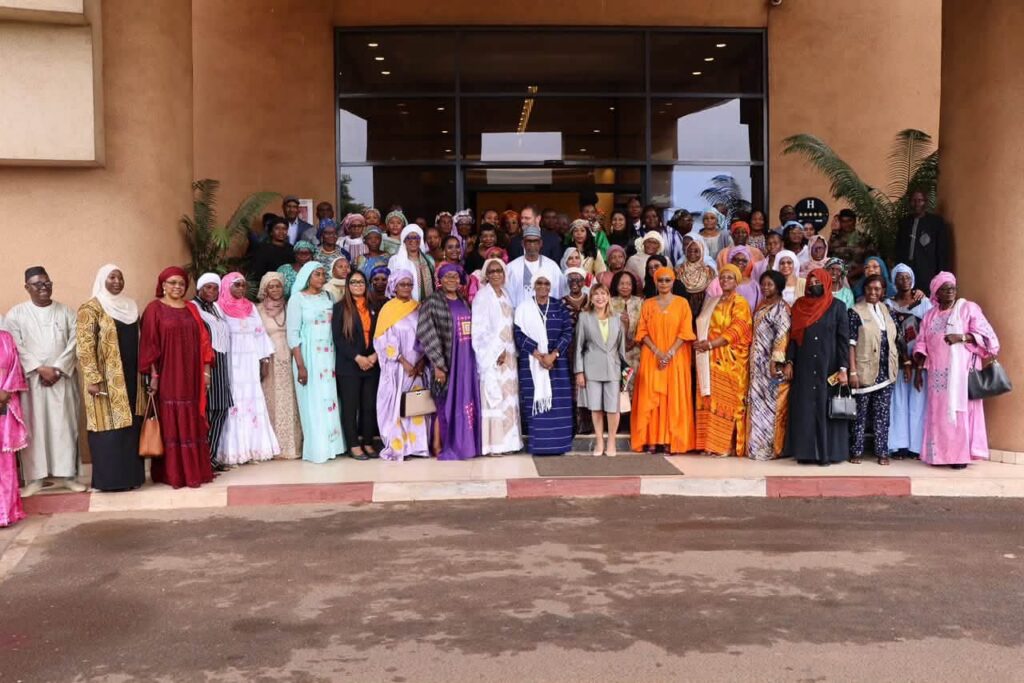
As reported by the Malian Ministry of Justice, the National Cybercrime Fighting Unit (PNLC) has officially launched its first criminal chamber session. The inaugural hearing, held at the PNLC premises, was presided over by the Minister of Justice and Human Rights, Mamoudou Kassogué, alongside senior judicial officials. Four cases were listed on the docket for this initial session. The PNLC Prosecutor, Mr. Coulibaly, outlined the unit’s strategic mandate and presented a positive assessment of its activities, including cases processed, under investigation, and already adjudicated. The PNLC President underscored the growing challenges of the digital space, stating:
“the world is virtual, but the consequences of our online actions are very real.”
This development marks a significant step in strengthening specialized criminal justice in Mali.
WANA Regional Analysis
The inauguration of the PNLC’s criminal chamber is more than a domestic judicial milestone; it represents a critical test for the rule of law in the digital age across the Sahel and the broader ECOWAS region. For West Africa, where cybercrime—ranging from financial fraud to online radicalization—has become a transnational threat, Mali’s move signals a growing institutional response. The presence of the Minister of Justice underscores the political will to prioritize digital accountability, a trend that other member states, particularly those grappling with weak cyber-legislation, will be watching closely.
From a regional policy perspective, the PNLC’s progress aligns with ECOWAS’s 2021–2025 Cybersecurity Strategy, which calls for harmonized legal frameworks and specialized judicial bodies. However, the challenge lies in enforcement capacity. Mali, like many of its neighbors, faces significant hurdles: limited technical expertise, inadequate digital forensics infrastructure, and the risk of judicial corruption. The four cases on the docket, while a start, are a drop in the ocean compared to the volume of cybercrime affecting West African economies, which the African Development Bank estimates costs the continent billions annually.
The broader implications for the ECOWAS region suggest that Mali’s experiment could serve as a blueprint—or a cautionary tale. If the PNLC demonstrates efficiency and transparency, it could encourage other states, such as Burkina Faso and Niger, to accelerate their own cyber-judicial reforms. Conversely, any perception of politicization or ineffectiveness could undermine public trust in digital justice, a critical component for fostering e-commerce and digital financial inclusion. The statement by the PNLC President—that online actions have real consequences—is a necessary reminder, but the court’s ability to deliver timely, fair verdicts will determine whether that principle translates into deterrence.
From a security standpoint, the PNLC’s work is inseparable from the fight against terrorism and organized crime in the Sahel. Terrorist groups increasingly use encrypted communications and social media for recruitment and coordination. A functional cybercrime court is therefore a frontline defense, not merely a legal formality. The ECOWAS Commission should consider providing technical assistance and capacity-building support to the PNLC, as its success could strengthen regional counter-terrorism efforts.
Regional Backdrop
Mali has been under military rule since 2020, following two coups, and faces significant governance challenges. The justice system has historically been under-resourced and subject to political interference. The creation of the PNLC in 2022 was part of a broader effort to modernize the judiciary, but its effectiveness has been questioned. The launch of the criminal chamber comes amid a surge in cybercrime, including a rise in online scams targeting Malian citizens and businesses. The PNLC’s performance will be a key indicator of whether the transitional authorities can deliver on their promise of judicial reform.
Original Reporting By:
Ministère de la Justice du Mali

Comments