



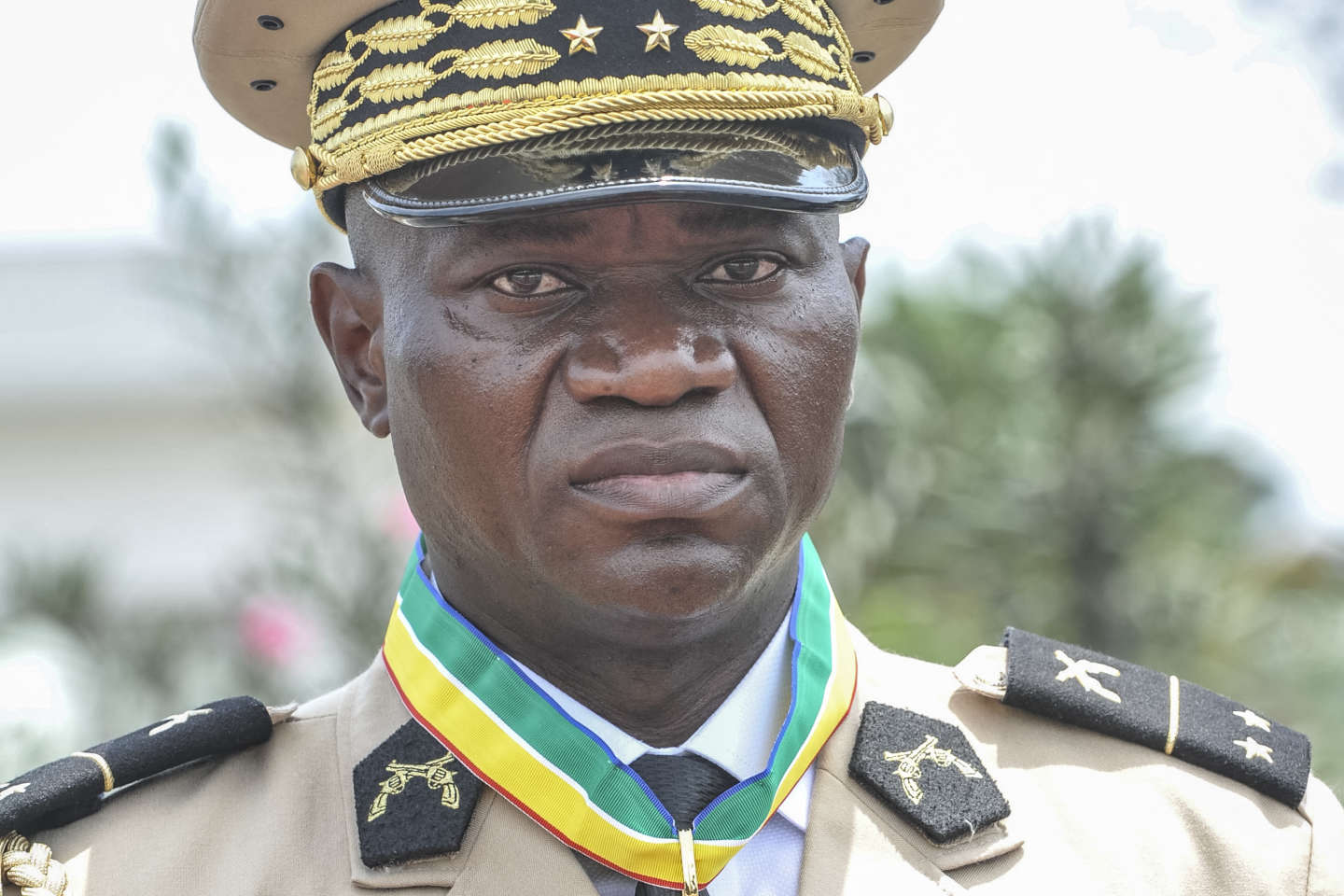
Three years after the military intervention that brought him to power, Gabon’s leader Brice Clotaire Oligui Nguema presents a record that blends genuine change with lingering echoes of the past.
The period has seen a completed transition, a landslide election victory, and notable economic moves, yet also persistent challenges that temper the narrative of a clean break.
Oligui Nguema came to power on August 30, 2023, in what is described as a “liberation coup,” overthrowing his cousin, then-President Ali Bongo.
Having held senior positions within the previous administration, he was an insider who knew the system’s workings intimately.
The transition he led concluded successfully at the end of 2024, and he won the presidential election in April 2025 with 90.35% of the vote—a margin that evokes the Soviet-style scores of the late patriarch Omar Bongo, who ruled Gabon for decades.
On the diplomatic front, Oligui Nguema has been assertive, particularly with France, the former colonial power. He has not hesitated to speak frankly to French companies, though without overstepping.
Domestically, he has sought to distance his administration from certain entrenched practices in the public administration, which the source describes as “incestuous.”
Economically, his government nationalized Assala Energy, a major oil producer, bringing it under the control of the state-owned Gabon Oil Company.
He also allocated 7,200 billion (likely CFA francs) to infrastructure projects, with a focus on roads—a critical need for the country.
Public spending has been rationalized, and the former soldier has made a visible shift from military fatigues to civilian suits, symbolizing his transformation from coup leader to elected president.
Yet the record is far from unblemished. The source notes that strikes, debt, and the cost of the household shopping basket remain unresolved.
Oligui Nguema cannot erase his political origins with a stroke of a pen.
His closeness to a half-brother of Ali Bongo—a son of Edith Bongo and Sassou Nguesso—underscores the enduring family ties, even if that individual had little in common with the deposed president.
Overall, after three years, the assessment is mixed—half fig, half grape, as the source puts it.
The coming years of his mandate will be crucial to convince observers that he did not come to tacitly perpetuate a system he claims to have broken with.
Source: Aujourd'hui au Faso