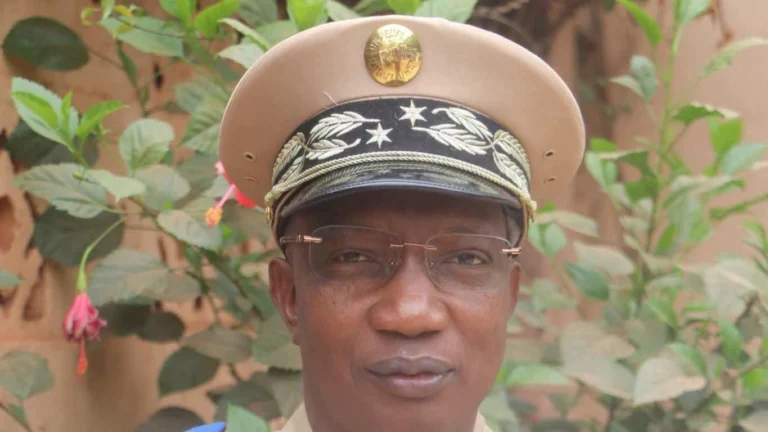
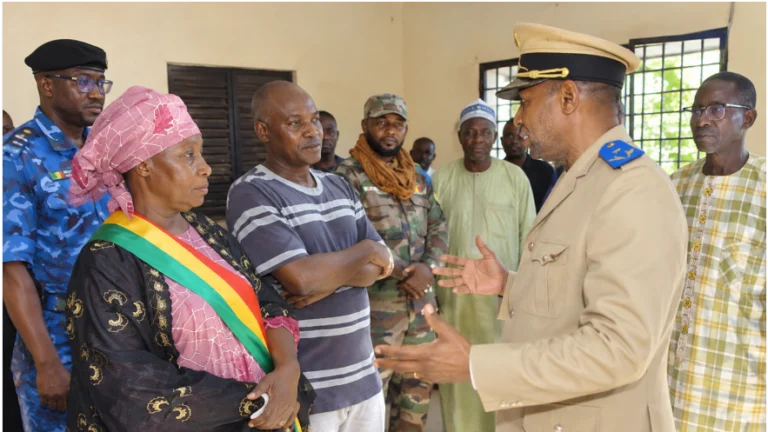
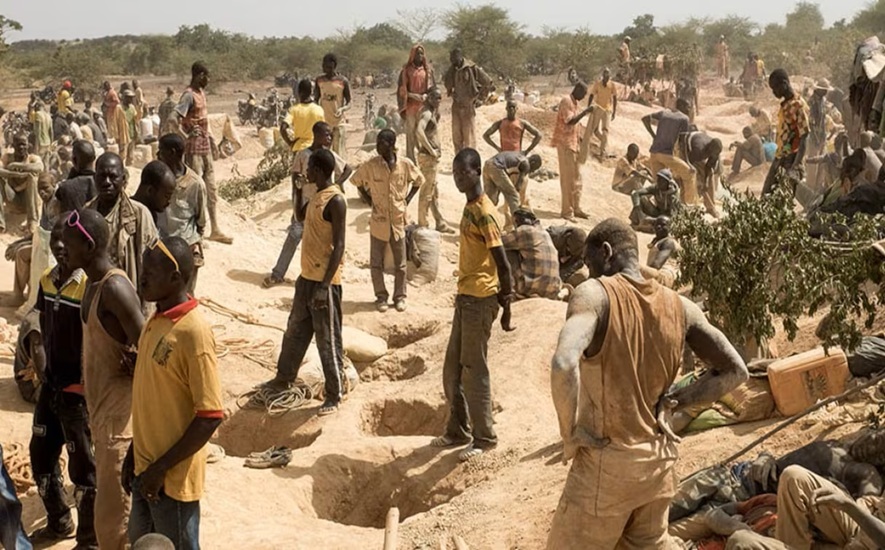
The Prefect of the Circle of Kati, Harouna Diarra, has donated rice, pasta, oil and 500,000 FCFA for condiments to gold miners repatriated from Guinea and in transit in Mali. A team he dispatched handed the food kit to an official at the town hall of the Commune of Mandé on Friday afternoon.
Administrative and municipal authorities in Mali's Yanfolila circle visited Burkinabe nationals expelled from Guinea and now hosted in the locality, saying the aim was to assess their reception conditions and identify difficulties. The delegation was led by second deputy prefect Abdallah Aziz Hamou and included Wassoulou-Balle mayor Rokia Diakite Sidibe. The mayor restated the municipal authorities' commitment to support the arrivals and facilitate their return to Burkina Faso.
ECOWAS and Guinea have opened a three-day national workshop on integrating disaster risk reduction into the education system. Teachers, education officials and disaster-management specialists are examining school safety, early warning and emergency preparedness under a project financed by the European Union.
The West African Power Pool will hold its 21st General Assembly on 6 and 7 November 2026 at the Radisson Blu Hotel in Conakry, with a Technical and Financial Partners meeting the day before. The session, themed on consolidating the Regional Electricity Market, brings together chief executives of the pool's 60 member utilities under the high patronage of Guinea's President Mamadi Doumbouya.
ECOWAS held a meeting in Conakry on 22 October 2026 to launch Guinea's National Platform under the Regional Cross-Border Cooperation Support Programme. Officials discussed how the platforms will be established and operationalised, and the meeting provided an opportunity to advance Framework Cooperation Agreements between the Commission and Member States.
A young woman, Fadima Konaté, was killed by lightning on August 26 while working at an artisanal gold mining site in Mandiana, Guinea. Despite workers turning off phones and placing them under a tree, she was struck while washing mud. The incident highlights the ongoing vulnerability of miners to weather hazards during the rainy season.
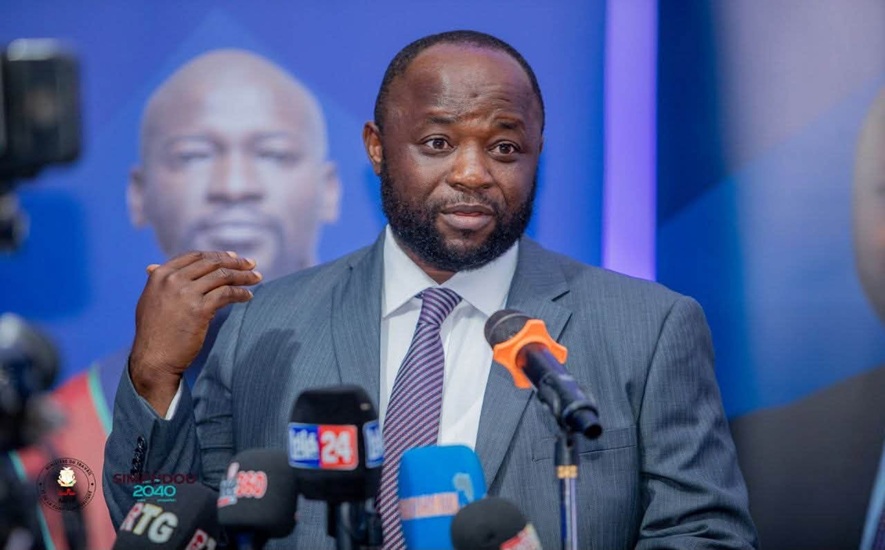
Faya François Bourouno, Guinea's Minister for the Modernization of Administration and the Civil Service, has taken on the additional role of Government Spokesperson. His appointment follows a career focused on public sector reform, including overseeing the PREMAP initiative and digital transformation efforts.
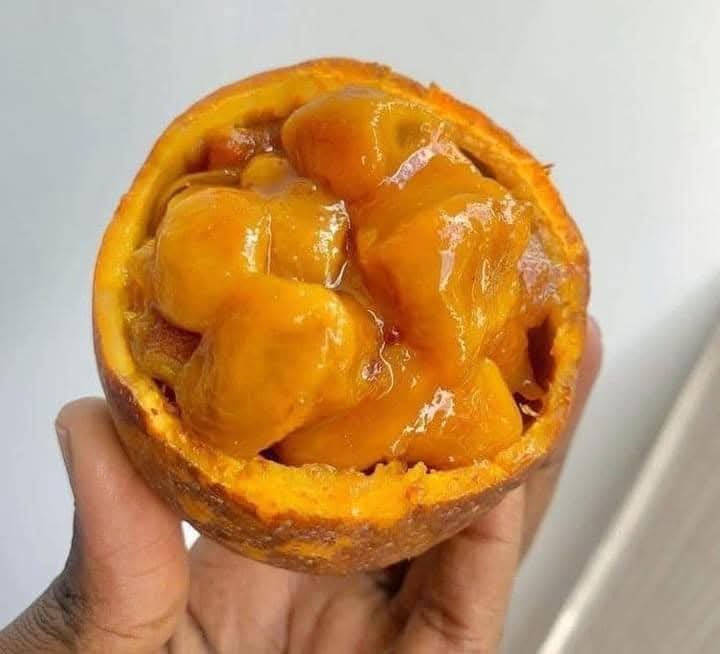
The Maad fruit (Saba senegalensis) is not merely a seasonal delicacy but a comprehensive natural pharmacy, offering a dual value proposition: its vitamin C-rich pulp bolsters immunity and digestion, while its leaves and bark deliver potent antiseptic, respiratory, and digestive remedies validated by both modern nutritionists and centuries of traditional practice. The plant's true strategic insight lies in its full-spectrum utility, providing targeted treatments for skin wounds, coughs, headaches, and even hypertension through simple preparations like poultices, inhalations, and macerations. This positions Maad as an underutilized economic and health asset for West Africa, where its wild growth and established cultural acceptance create a unique opportunity for integrated health and commercial development. The core takeaway is that Maad's value extends far beyond the market stall, representing a bridge between traditional pharmacopoeia and modern wellness that deserves formal recognition and investment.
Lucien Beindou Guilao, a former president of the Guinean Professional Football League and former Syli National international, has publicly backed Ibrahima Kalil Kaba to lead the Guinean Football Federation's next Executive Committee. His declaration, issued on August 29, 2026, comes ahead of an Extraordinary and Elective General Assembly on October 27, 2026, and cites what he calls an unprecedented institutional and sporting crisis in the sport.
On August 13, 2026, the Guinean state formalized a strategic investment in its future by selecting 28 young laureates for elite academic training in China, predicated on their formal commitment to return and apply their expertise domestically. This initiative represents a deliberate shift from a "brain drain" risk to a "brain gain" strategy, leveraging international partnerships to build national capacity. The core value proposition is a state-sponsored social contract: the government funds world-class education in exchange for a guaranteed contribution to Guinea's development upon completion. This model offers a replicable blueprint for developing nations seeking to cultivate high-level human capital without losing their most promising talent to emigration.