

A Social Dialogue in Agadez
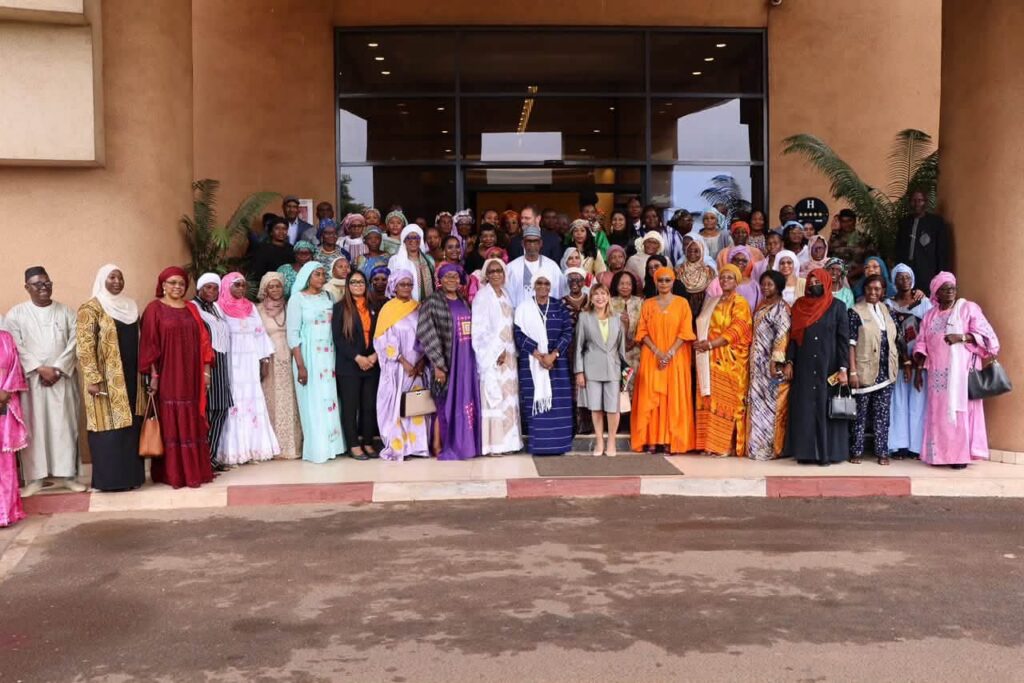
On August 27, 2026, in Agadez, the association Alternative Espaces Citoyens (AEC), in partnership with the Migration and Development Network (REMIDEV), convened a roundtable for social dialogue. The event was part of the project “Storytelling to fight discrimination and xenophobia in West Africa,” which aims to reshape public perceptions of migration by countering harmful narratives and promoting a human rights–based discourse.

The meeting’s theme, “Securitization, migrant exploitation, and health challenges in the gold-bearing areas of the Nigerien Sahara,” reflects a growing concern about the human and environmental costs of artisanal mining in the region. According to AEC’s Programs Director, Mr. Hamadou Boulama Tcherno, current events make this debate both relevant and urgent. He pointed to Côte d’Ivoire, where, during Maouloud 2026, the president of the Supreme Council of Imams, Mosques, and Islamic Affairs (COSIM) denounced “illegal and unregulated gold panning” as a scourge that “destroys our waterways and arable land.”
The Scale of Artisanal Mining in Niger
Artisanal gold mining in Niger dates back to 1984, when it began in the Tillabéri region. It expanded to Agadez in 2014, with the emergence of sites in the Aïr Massif, Djado, and Tchibarakaten. According to the Ministry of Mines, around 200 sites were recorded in 2018, providing more than 800,000 direct and indirect jobs. At some sites, such as Tchibarakaten, up to 15 nationalities coexist, underscoring the cross-border nature of this informal economy.
However, the extraction and exploitation of gold come with significant security, health, environmental, and social risks. Citing security concerns and the opacity of revenues, the government has closed several sites across the country. In Agadez, the Djado site was shut down due to its proximity to Libya and Chad. The authorities also aim to dry up the sources of economic migration, which often funnels through these mining areas.
Health and Environmental Toll
The health and environmental challenges are numerous. Soil erosion, deforestation, water pollution, and the use of cyanide and explosives expose workers and animals to serious illnesses and death. Many gold miners have lost their lives due to pit collapses and exposure to chemicals. Thousands of Nigerien migrants and those of other nationalities have settled around the sites, hoping to earn money to improve their daily lives or to continue their migratory journey toward Maghreb countries and beyond. Unfortunately, for most, the search for economic opportunities turns into tragedy and exploitation by greedy bosses and criminals of all kinds.
Expert Panel and Participant Perspectives
The roundtable featured a panel of highly qualified experts who addressed these topics extensively and scientifically. Professor Aly Tandian, Lecturer-Researcher at Gaston Berger University in Saint-Louis (UGB) and President of the Senegalese Migration Observatory (OSM), provided insights into migration dynamics. Dr. Ibrahim Diori, Specialist in International Human Rights Law, discussed the legal and human rights dimensions. Police Commissioner Mamane Lawali Idrissa from the Central Office for the Suppression of Illicit Drug Trafficking (OCTRIS) shed light on the security and criminal aspects. Among the participants were many migrants and women, whose voices are often central to the challenges and potential solutions in these mining areas.
Looking Ahead
In terms of prospects, AEC plans to launch a public awareness campaign on the dangers of artisanal gold mining. This initiative, along with the roundtable, is part of a broader effort to foster social dialogue and inform policy and public opinion. The project, launched in January 2026, also plans similar activities in Niamey and Zinder, extending the conversation beyond Agadez.
As the Nigerien Sahara continues to attract migrants and miners seeking economic opportunities, the balance between development, security, and human dignity remains a pressing challenge. The roundtable in Agadez represents a step toward addressing these complex issues through dialogue and evidence-based analysis.

1 comment