

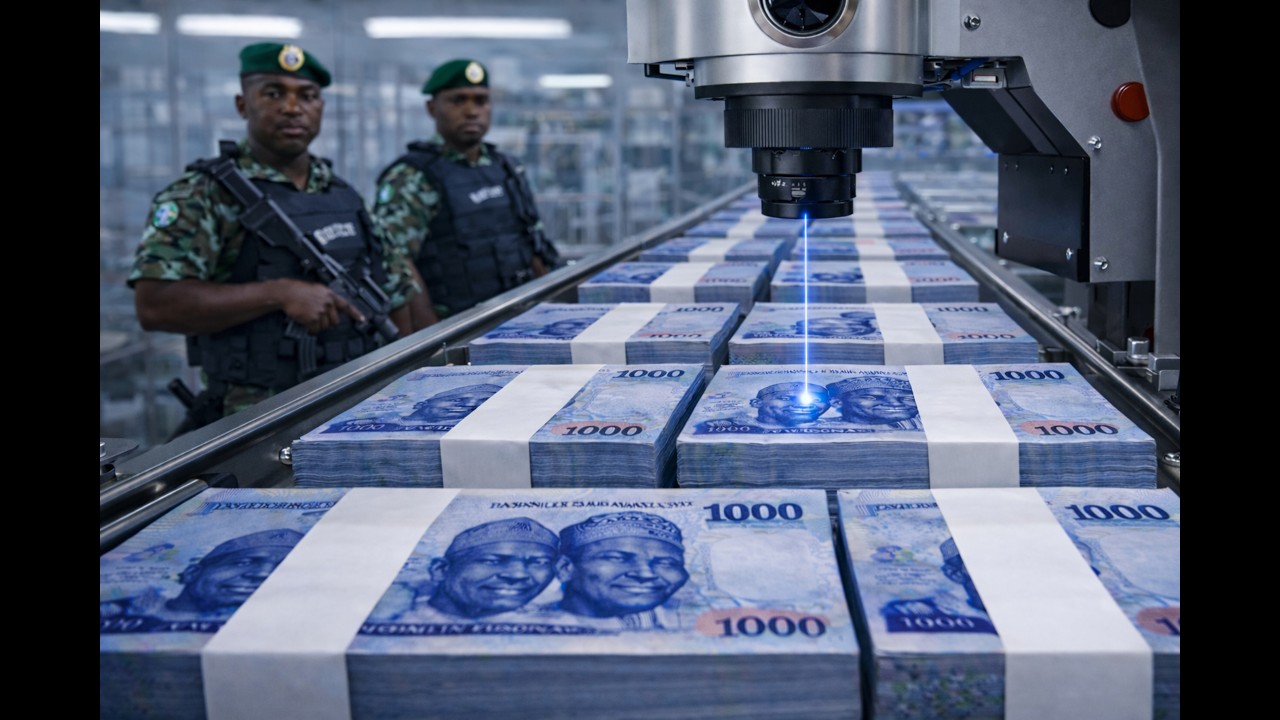
Naira’s Steady Appreciation Signals Shifting FX Dynamics with Regional Implications
The Report
As reported by Daily Post, the Nigerian naira continued its recent appreciation against the US dollar at the official foreign exchange market on Thursday, May 21, 2026. Data from the Central Bank of Nigeria (CBN) indicated the naira strengthened to N1,372.31 per dollar, a marginal gain of N1.03 from the previous day’s rate of N1,373.34. At the parallel market, the naira held steady at N1,400 per dollar, unchanged from Wednesday’s level. The CBN also reported that Nigeria’s external reserves stood at $48.72 billion.
“The naira further strengthened against the dollar at the official foreign exchange market on Thursday.”
The development follows a similar appreciation recorded on Wednesday, as reported by the same source.
WANA Regional Analysis
The naira’s sustained, albeit modest, appreciation against the dollar carries significance beyond Nigeria’s borders. For the West African region, where currency volatility has long complicated trade finance and cross-border transactions, any stabilisation in Africa’s largest economy offers a potential anchor for regional exchange rate expectations. The narrowing gap between the official and parallel market rates—now just N27.69—suggests improving liquidity and reduced arbitrage opportunities, which historically have distorted intra-regional trade flows, particularly with neighbours such as Benin, Niger, and Ghana.
From an ECOWAS perspective, the naira’s performance is closely watched as the bloc pursues the long-delayed single currency agenda. A more predictable Nigerian exchange rate could reduce one of the major obstacles to monetary convergence: the wide disparity in inflation and exchange rate regimes among member states. However, the pace of appreciation remains slow, and the parallel market premium, though shrinking, persists—indicating that structural demand for dollars remains elevated.
The reported external reserves figure of $48.72 billion provides a cushion for the CBN to continue its interventionist policies without immediate pressure. Yet, the sustainability of this appreciation hinges on non-oil export earnings and capital inflows, both of which remain vulnerable to global commodity price shifts and investor sentiment. For West African economies that rely on Nigerian demand for goods and services, a stronger naira could boost purchasing power for Nigerian importers, potentially stimulating regional trade. Conversely, if the appreciation is driven by administrative measures rather than genuine market forces, it risks creating a false sense of stability that could unravel under external shocks.
Against this backdrop, the CBN’s monetary policy stance—including the recent decision to hold interest rates—will be critical. A stable naira reduces imported inflation, which benefits Nigerian consumers and, by extension, regional supply chains. However, if the appreciation is not backed by robust foreign exchange inflows, it may strain reserves over time, forcing a policy recalibration that could ripple across West African financial markets.
Regional Backdrop
Historically, the naira has experienced periods of sharp depreciation, most notably in 2023 following the unification of exchange rate windows, which saw the currency lose over 40% of its value. The current appreciation trend, while welcome, must be viewed against this legacy of volatility. For ECOWAS central banks, the naira’s trajectory serves as a barometer for regional currency risk, influencing decisions on reserve management and trade settlement mechanisms. The persistence of a parallel market, even at a reduced premium, underscores the ongoing challenge of achieving full market confidence in Nigeria’s foreign exchange regime.
Original Reporting By:
Daily Post



1 comment