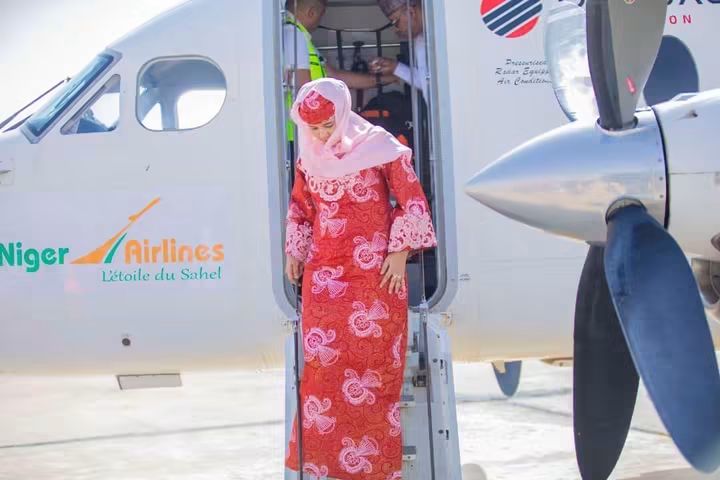
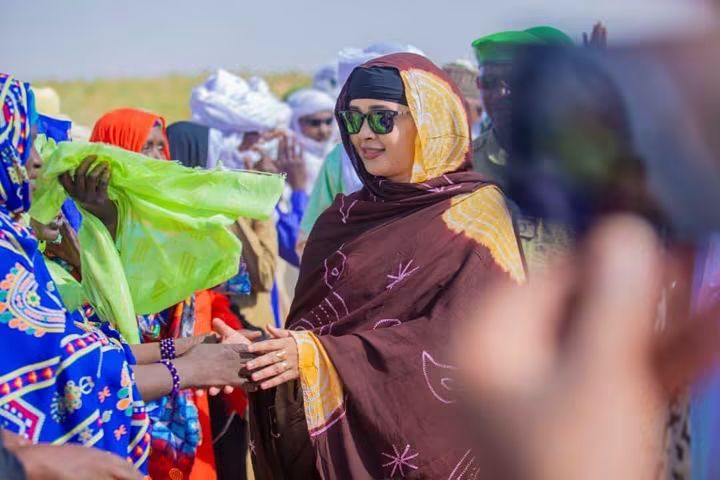
An official delegation has arrived in Diffa to finalize preparations for the 3rd Blanakou Arts and Culture Festival, set for September 4-6. The event aims to promote crafts and heritage as drivers of economic sovereignty and social cohesion, with senior government officials participating in the final planning phase.
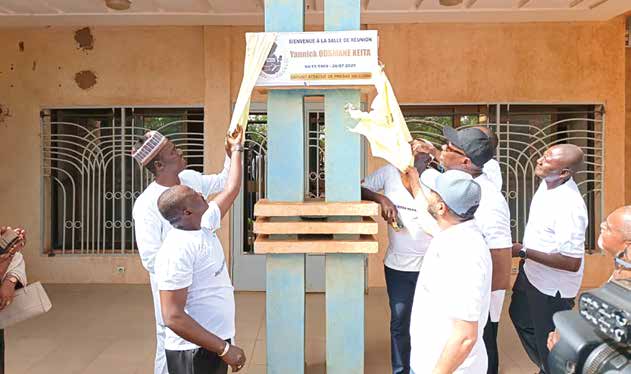
COSNI has named its large meeting room after the late press attaché Yannick Ousmane Keïta, honoring his dedication to Nigerien sport. The tribute, held ahead of International Olympic Day, was marked by emotional speeches from colleagues and family, recognizing his legacy as a tireless sports journalist.
Niger’s READ project steering committee met in Niamey to review four years of progress and set priorities for the final year. The Canadian-funded initiative has reached over 15,000 learners, with a focus on girls and crisis-affected communities.
An opinion piece by Ibrahim Elhadji dit Hima argues that some activists now supporting Niger's Refoundation regime once championed democracy, raising questions about their sincerity. The article explores the conceptual link between sovereignty and democracy, and why the debate matters beyond Niger's borders.
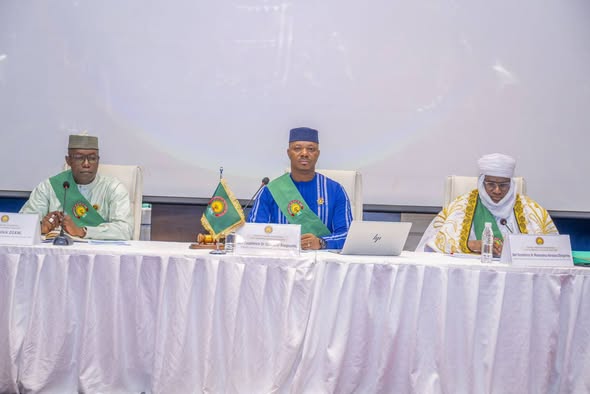
The Confederate Parliament of the Alliance of Sahel States has opened its first session in Niamey, with 45 deputies from Mali, Burkina Faso, and Niger focusing on security cooperation, free movement, and media funding. The parliament's role is consultative, with proposals subject to approval by the heads of state.
The Nigerien government is executing a high-stakes, final-stage operational review for the third edition of the Crafts and Culture Forum (FARCUB), signaling that the event is a top national priority. The presence of a high-level delegation—including ministers and the Prime Minister's special adviser—underscores that FARCUB is a strategic tool for peace consolidation and economic development, not merely a cultural showcase. The core challenge now lies in the logistical execution of converting the Blanakour site into a fully operational venue within days, as the forum's success hinges entirely on flawless final preparations. Ultimately, the September 4th opening will serve as the definitive test of whether the government's high-level mobilization translates into tangible, on-the-ground results.
This roundtable in Agadez confronts the dangerous intersection of securitization, migrant exploitation, and health crises in Niger's gold zones, where over 800,000 people work across 200 sites. The core tension is that government closures of mining sites—justified by security and revenue opacity—directly fuel the very migration and criminal exploitation they aim to stop, trapping vulnerable workers between hazardous labor and deadly migration routes. The project's unique value lies in using storytelling to dismantle harmful narratives and replace them with human rights-based discourse, recognizing that the real crisis is not migration itself but the predatory systems and environmental devastation surrounding artisanal mining. Ultimately, the discussion reveals that sustainable solutions require addressing the root causes—economic desperation, chemical poisoning, and exploitative labor practices—rather than merely policing borders or shutting down mines.
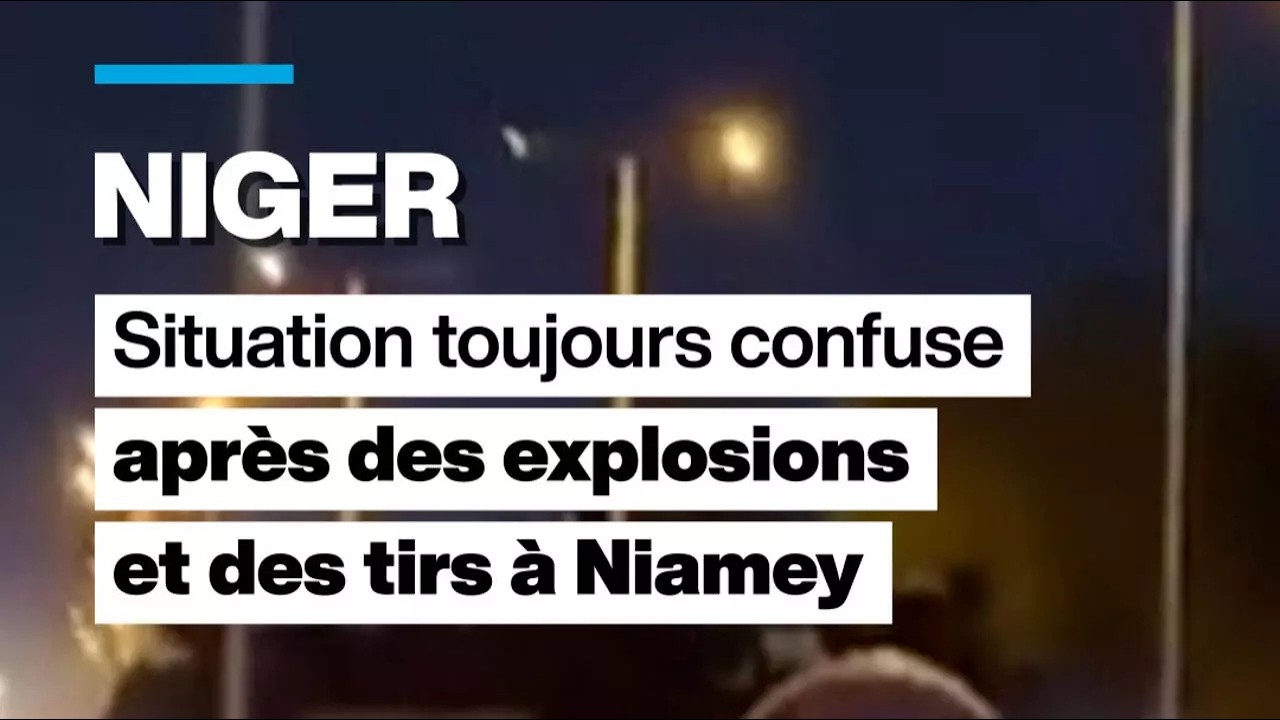
An attempted mutiny by rogue soldiers at Niamey's Base 101 on August 29, 2026, was quickly contained by loyal security forces, who regained control of the seized sites. The incident, framed by authorities as a "mood movement," involved the brief sequestration of fellow soldiers and gunfire on sensitive locations, yet the government's rapid response prevented escalation. With no casualty figures or motives released, the key takeaway is the regime's immediate emphasis on projecting stability and normalcy, urging public calm while withholding operational details. This event underscores the persistent fragility of military cohesion in the Sahel, where internal dissent poses a recurring threat to state security.
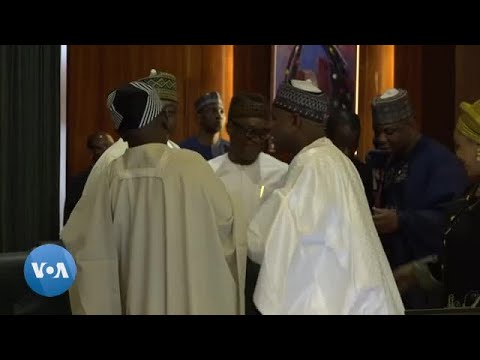
This executive summary synthesizes the core strategic actions from the Council of Ministers meeting, highlighting the government's decisive shift toward formalizing and regulating the mining sector. The primary value lies in the adoption of new legal frameworks, signaling a move to enhance state oversight, secure revenue streams, and attract structured investment in mineral resources. For stakeholders, this represents a critical juncture to align with new compliance standards and capitalize on emerging opportunities within a more regulated and transparent market. The overarching conclusion is that the state is actively consolidating its authority over natural resource governance, making regulatory adaptation a prerequisite for future economic engagement.
The RAES network is operationalizing a critical insight for development impact: aligning its flagship "C'est la vie!" edutainment program with the specific national health priorities of each country (Burkina Faso, Côte d'Ivoire, Niger, Senegal) rather than applying a one-size-fits-all model. The core value lies in its 360-degree communication strategy—combining a TV series, digital campaigns, educational kits, and community activities—to drive behavioral change in youth sexual health and gender equality. The practical takeaway is that this regional synergy workshop was not just a meeting, but a deliberate mechanism to share experiences and strengthen collaboration, ensuring that the 2026 season of the program is more effective through localized, coordinated action. The unique conclusion is that sustainable impact in adolescent health requires a dual focus: a powerful, engaging media franchise to capture attention, coupled with a disciplined, country-by-country alignment with government priorities to ensure legitimacy and long-term integration.