


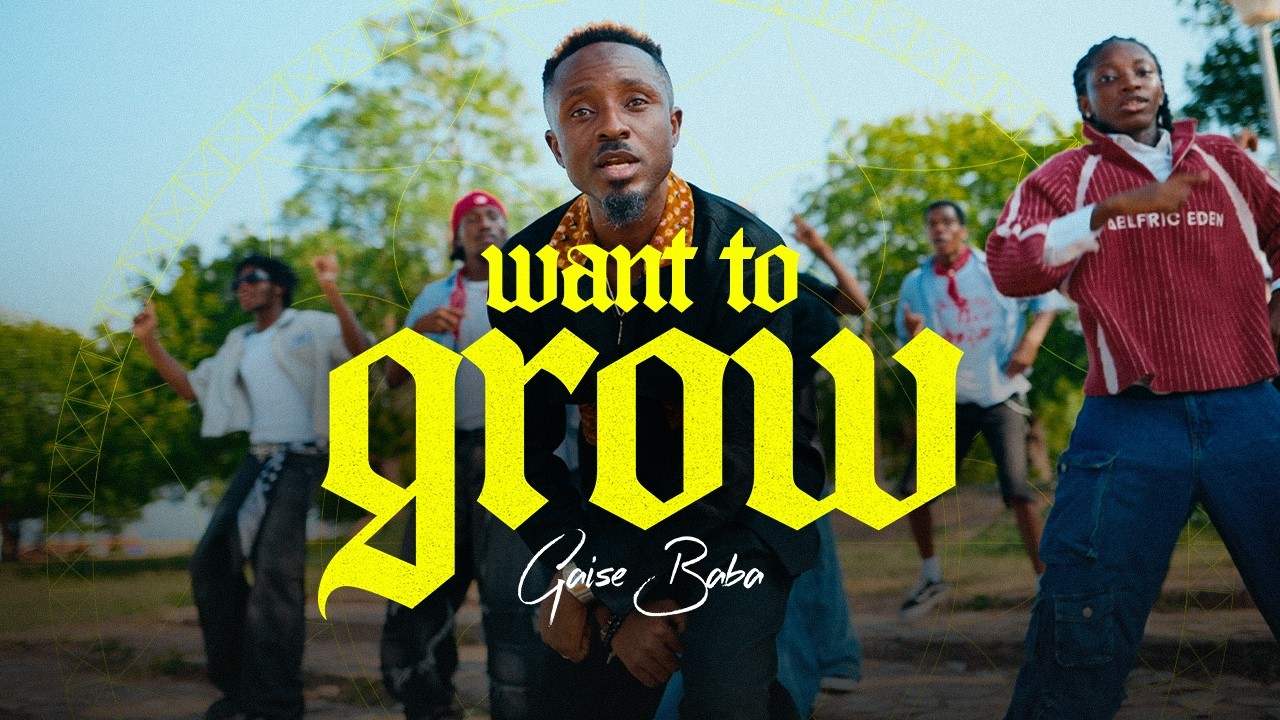






Afrogospel artiste Gaise Baba has publicly challenged the organisers of The Headies, urging the awards platform to reconsider how it categorises and recognises faith-based music. In an open letter addressed to the awards committee and its founder, Ayo Animashaun, the singer framed his concerns not as an external critique but as a call from within the industry to improve the institution.
Gaise Baba’s letter, which he described as “a push from someone within,” draws on his own history with the awards. He recalled attending his first Headies ceremony on October 20, 2012, a period when he had been active in music for just over two years and had recently released what he called his biggest song at the time, Follow Follow. Despite years of criticism from creatives and fans, he acknowledged that The Headies remains Nigeria’s most prominent and active music awards platform, which is precisely why he believes it must function effectively.
The Core Argument: Judging Music by Craft, Not Subject
The central point of Gaise Baba’s letter is that music should be evaluated primarily on its artistic qualities rather than its subject matter. He argued that a rap record should be judged as a rap record, regardless of whether its lyrics focus on money, fame, sex, debauchery, or faith. In his view, elements like craft, pen game, cadence, delivery, and flow should determine a song’s classification and recognition.
He specifically objected to the practice of automatically removing a rap song with gospel content from the rap conversation and placing it exclusively under “gospel” or “inspirational” categories. This, he suggested, limits the reach and recognition of faith-based creatives who are otherwise competing on equal footing with their peers.
A Personal Experience at the Last Edition
Gaise Baba’s concerns are grounded in a specific experience. He was nominated in the Inspirational Music category for his 2024 song Particularly, featuring Tope Alabi. According to his account, the category had five nominees: Anendlessocean, Mercy Chinwo, Dunsin Oyekan, Limoblaze, and himself.
He said his team participated fully in the awards activities, including media rounds and the pre-award reception. He attended the ceremony alongside veteran producer ID Cabasa, and Anendlessocean was also present. Limoblaze, he noted, could not attend because he is now based outside Nigeria.
Despite the presence of several nominees, the Inspirational Music category was never called on stage, and the award was not presented during the ceremony. Gaise Baba described this as “disregard to the creatives involved,” while acknowledging that his category was not the only one affected, as several others were also left uncalled.
He argued that with adequate planning, all categories could be accommodated within a ceremony that lasted more than five hours, and that every nominee deserves to have their category recognised publicly.
Drawing Parallels with the Grammy Awards
The singer also referenced the criticism that followed the Grammy Awards when an African category was not called on stage. He said the concerns raised by African artistes at that time were valid and should equally apply to The Headies. This comparison underscores his belief that the issue is not unique to Nigeria but reflects a broader pattern in how major awards shows handle certain categories.
Questioning the “Aquarium” Approach
Gaise Baba raised a pointed question about the disparity in how different types of music are treated. He noted that songs centred on sexual desire and the objectification of women are often celebrated for their artistic value and allowed to compete freely across the industry. By contrast, he asked, “Why should the one on faith be restricted to an aquarium?”
His use of the term “aquarium” suggests a belief that faith-based music is being contained and displayed in a limited space rather than allowed to swim in the open waters of the broader music industry. He argued that faith-based music should be assessed on its artistic merit rather than separated because of its message.
The Cultural Impact of Contemporary Faith-Based Records
In closing his letter, Gaise Baba challenged both the organisers and the wider public to consider the cultural impact of contemporary faith-based records. He specifically mentioned the songs FAVOR and NO TURNING BACK II, asking how many songs released during the current year under review have had a greater cultural impact across Nigeria and beyond. His rhetorical question, “Shall we count?” invites a direct comparison between the reach of these faith-based tracks and their secular counterparts.
The letter raises a substantive question for the awards organisers: whether the current category structure reflects the actual influence of faith-based music in Nigerian culture, or whether it inadvertently confines it to a smaller stage. As The Headies continues to evolve, the challenge posed by Gaise Baba is whether the platform will adjust its framework to match the artistic and cultural weight of the music it aims to honour.