




In Mali, the price of meat at the butcher’s stall tells only part of the story. Behind the 3,500 to 4,000 CFA francs per kilogram seen in some towns lies a supply chain grappling with insecurity, difficult transport, and shrinking herds. These were the central concerns raised at a recent gathering of the Interprofessional Federation of the Beef and Meat Sector of Mali (IFBV-Mali), which brought together livestock farmers, processors, traders, and transporters from across the country.
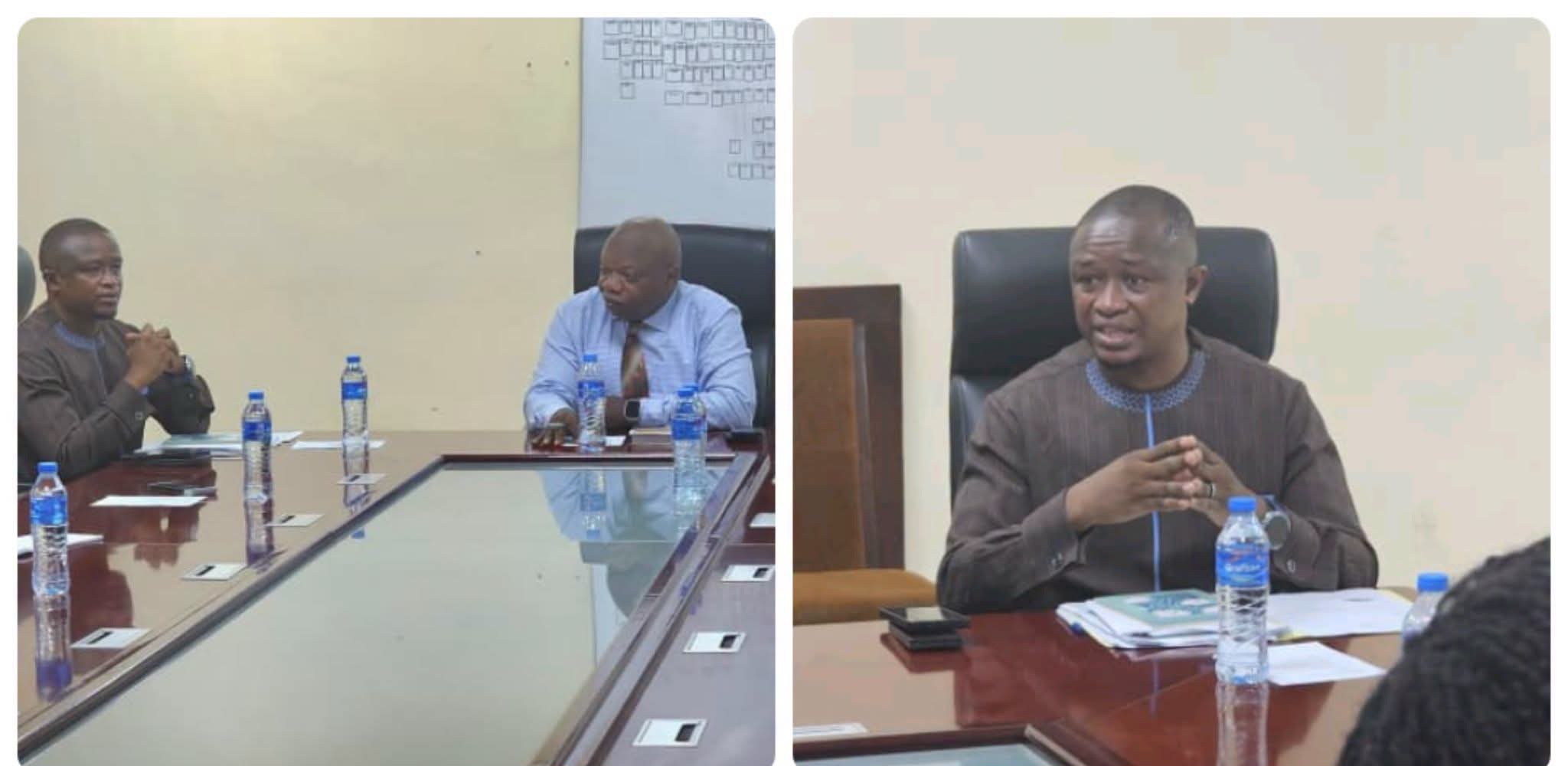
Mamoudou Abdoulaye Diallo, president of IFBV-Mali, noted that the strong turnout from regional delegations, despite the rainy season, signals the sector’s determination. “This mobilization from all regions of Mali and the Bamako District truly shows the vitality of our organization,” he said, as reported by Salimata Wagué. The meeting came at a time when insecurity is disrupting herder movements, livestock markets, and the traditional routes that supply urban centers.
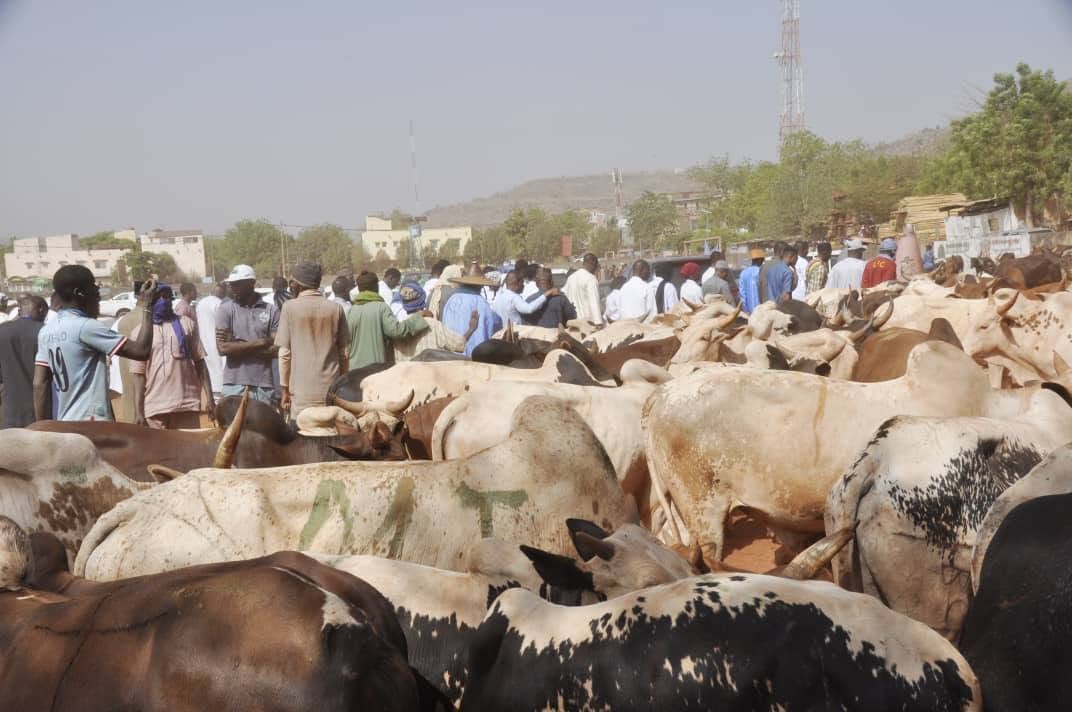
Local Realities: Bandiagara and Mopti
In the Bandiagara region, the slowdown is stark. Amadou Traoré, president of the butchers’ association, described how professionals who once traveled to several towns to buy livestock now face severe restrictions. “Now we only slaughter three cows, whereas before we could slaughter up to 20, not counting sheep and goats,” he testified. Several butchers have reportedly stopped working altogether. The region’s slaughterhouse, while present, does not meet professional needs, and the lack of cold storage complicates meat marketing.
The bottleneck often begins before animals reach the market. Boubacar Koïta, a livestock trader, pointed to the Bandiagara-Fatoma road as a critical weak point. “We traders used to go out with our butchers, and everyone found their share, but that chain has been broken,” he explained. Securing this route, he argued, would ease supply to the town, where meat sells for 3,500 to 4,000 CFA francs per kilogram.
In the Mopti region, the situation mirrors these challenges. Alboucar Bocoum, secretary general of the Regional Union of Livestock Traders, recalled that the area has long been a major livestock basin. Yet some herders have abandoned their usual grazing areas, animals have been stolen, and travel to markets has become riskier. “When the market is not sufficiently supplied, the little that does arrive is really expensive,” he summed up.
A Seasonal Dimension
Diallo urged consumers not to panic over rising prices, noting a seasonal factor. The rainy season and transhumance movements temporarily push livestock away from major urban centers. As this period ends, animals should move closer to consumption hubs, improving supply. IFBV-Mali says its members are continuing pastoral and fattening activities to bolster supply, but professionals insist this will not be enough without better security on key transport routes.
Abdoulaye Buimayara, representing the Douentza region, described difficulties that start in production areas and extend all the way to Bamako. Insufficient transport and road constraints complicate the work, and in his region, a kilogram of meat can reach 4,000 CFA francs.
Collective Action and the ‘Mali Sogo’ Label
Mahamadou Doucouré, secretary general of IFBV-Mali, stressed that solutions must address the entire chain. “Everything starts with the herders before reaching the others,” he said, calling for joint action among professional groups to improve supply. This spirit of collaboration was a key goal of the General Assembly. Diallo hopes to establish a regular consultation framework with public authorities, allowing professionals to report difficulties and participate in finding solutions.
Looking ahead, IFBV-Mali intends to strengthen professional groups and better promote their products. One notable prospect is the operationalization of the “Mali Sogo” label, a collective trademark registered with the African Intellectual Property Organization. This certification aims to guarantee the origin and traceability of Malian red meat, potentially strengthening its position in both domestic and regional markets.
The representative of the Minister of Livestock and Fisheries welcomed the regularity of these sessions and called on stakeholders to address the sector’s weaknesses. The goal, he said, is to ensure more consistent production, improve supply, and contribute to food security.
For professionals, the path forward is clear: livestock must move freely, markets must be regularly supplied, and meat must become more accessible. Restoring this chain, they argue, begins with security, dialogue, and the unhindered movement of animals between grazing areas and consumption centers.
Source: Du pâturage aux étals, le parcours difficile de la viande au Mali