

Beyond the Tangy Pulp: A West African Liana With Deep Roots in Traditional Medicine
For many in West Africa, the arrival of the rainy season signals the return of a beloved treat: the Maad fruit, known botanically as Saba senegalensis. Its juicy, tangy pulp is a seasonal favorite in markets from Guinea to Senegal and Mali, often enjoyed fresh or as a refreshing juice. But according to traditional healers and nutrition specialists, this wild liana offers far more than a flavorful snack—its leaves and bark have been used for generations as remedies for a wide range of ailments.
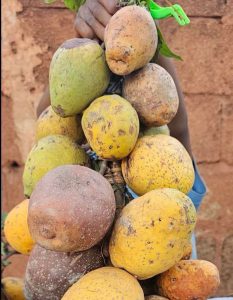
While the fruit is widely appreciated for its taste, its medicinal potential is less known outside the region. Yet, as recent pharmacological interest grows, this plant is emerging as a candidate for further study in West African phytotherapy.
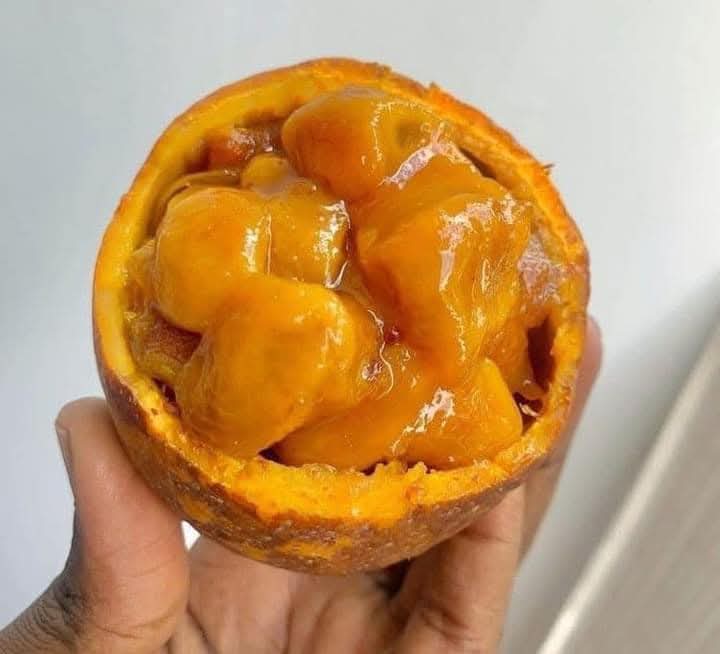
A Nutritional Powerhouse, Especially for Pregnant Women
The Maad fruit is particularly prized by women, and it holds a special place in the diets of pregnant women, who seek it out for its nutritional benefits. According to Dr. Lamine Kallo, a physician and nutritionist, the fruit is rich in vitamin C, which supports the immune system and helps combat fatigue. He also notes that its fiber and organic acid content can stimulate appetite and aid digestion.
Beyond its nutritional value, the fruit is versatile in preparation—it can be consumed fresh, infused, or turned into a juice, making it an accessible source of energy and nutrients during the fruiting season from May to November.
Leaves and Bark: The Cornerstones of Traditional Remedies
The plant’s therapeutic value extends well beyond its fruit. Traditional healers in the region have long used the leaves, bark, and even the shell of Saba senegalensis to prepare decoctions, poultices, and infusions. Adama Kanté, a traditional healer in Upper Guinea, explains that the leaves are harvested specifically for these purposes, targeting a variety of ailments.
The traditional uses of the plant are diverse, with different parts addressing different health concerns:
- Skin care and wound healing: Crushed or pounded leaves are applied to wounds as a natural antiseptic, helping to speed up the healing process.
- Respiratory ailments and headaches: The leaves are used in steam inhalation or as an herbal tea to relieve coughs, colds, and migraines.
- Digestive disorders and blood pressure regulation: When macerated in water, the leaves are said to soothe colic and chronic stomach pain, and may help regulate blood pressure.
The bark of the liana is equally valued, containing active compounds with astringent, anti-inflammatory, and antimicrobial properties. Traditional remedies using the bark include:
- Treatment of diarrhea and dysentery: The bark is often macerated in porridge or milk and drunk to combat food poisoning, amoebic dysentery, and diarrhea.
- Fevers and malaria: Infusions or body baths using the bark are used to reduce stubborn fevers and ease the body aches associated with malaria.
- Muscle and joint pain: Bark decoctions are applied through friction to relieve rheumatism and chest pain.
Modern Science Begins to Validate Ancestral Knowledge
Recent pharmacological analyses have begun to corroborate these traditional uses. Extracts from the leaves and bark of Saba senegalensis have been found to be rich in flavonoids, tannins, and alkaloids—compounds known for their antioxidant, anti-inflammatory, antidiabetic, and antibacterial properties. These findings suggest that the plant could play a significant role in the future development of West African phytotherapy, offering a bridge between traditional knowledge and modern medicine.
As interest in natural remedies grows globally, the Maad liana stands as an example of how a beloved seasonal fruit can also be a reservoir of therapeutic potential, waiting to be fully explored.
Source: Guinéenews©


1 comment