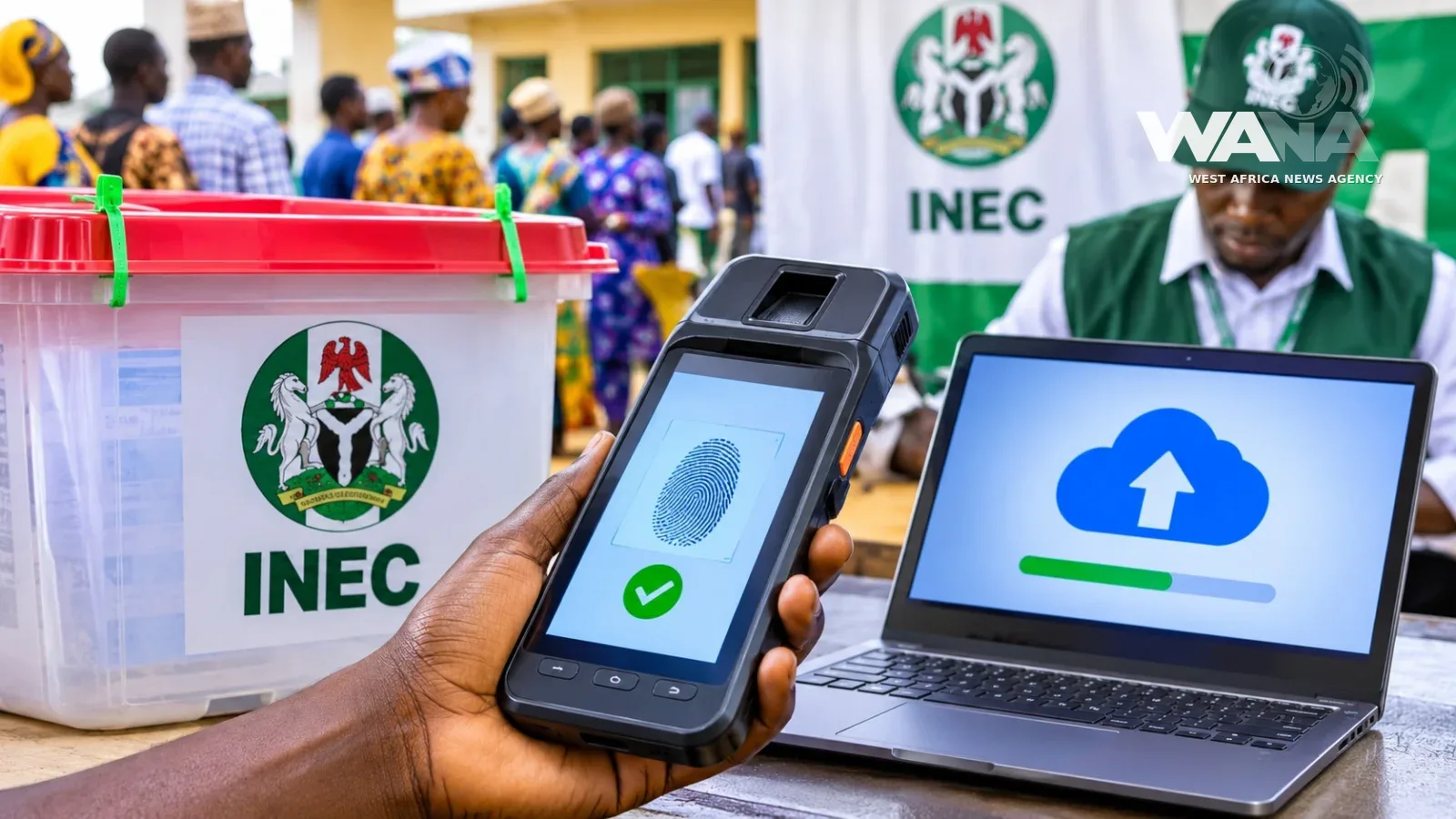
INEC will test its Bimodal Voter Accreditation System and result upload processes in 598 polling units across Delta State’s 25 local government areas on November 28, 2026, the state’s Resident Electoral Commissioner said.
Two polling units per registration area were selected, yielding the 598 units from Delta State’s 299 wards. Polling units for the exercise will open at 7.30am, with accreditation running from 8am to 2:30pm.
The exercise aims to test the functionality and reliability of technologies and equipment, particularly the BVAS.
It will also assess the effectiveness of accreditation, voting, result recording, transmission and other Election-Day processes, and test the Commission’s ability to timely deploy personnel, election materials, equipment and other resources to polling units.
According to the REC, the mock exercise will help INEC determine the preparedness and neutrality of its regular and ad-hoc staff.
The REC appealed to political parties, security agencies, civil society organisations, community leaders and the media to collaborate for a peaceful and successful exercise.
Security coordination ahead of the exercise
Separately, participants at a meeting discussed effective communication and inter-agency cooperation in responding to security concerns that could threaten peaceful elections.
The meeting let participating agencies assess their preparedness, exchange ideas and develop strategies against electoral violence, security breaches and disruptions.
The ICCES platform brings INEC, security agencies and other government institutions together to coordinate efforts for peaceful, free, fair and credible elections.
Petition seeks audit of AI tools
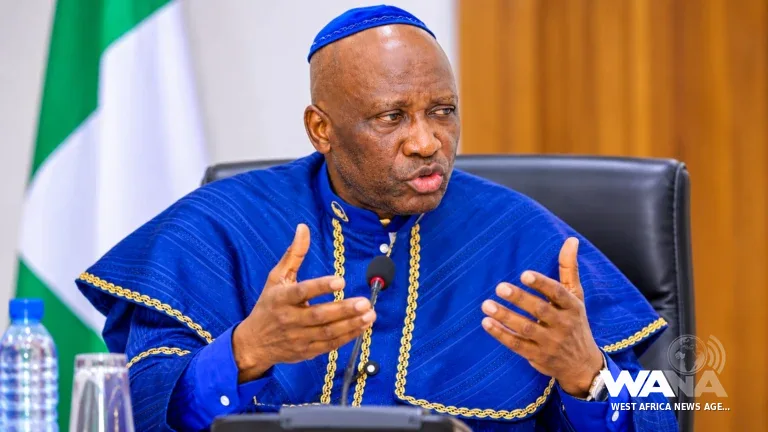
Atiku Abubakar has petitioned INEC for algorithmic transparency and independent technical testing of the AI system planned for the 2027 elections. The petition is dated November 17 and addressed to INEC Chairman Joash Amupitan.
INEC received the petition on November 18, with copies stamped by the ECOWAS Commission and other monitoring institutions.
INEC announced it will integrate AI and intelligent document-processing tools to link DIVAS with IReV. Atiku demanded that independent cybersecurity experts, party representatives and civil society technologists audit the system before the nationwide mock accreditation scheduled for November 28, 2026.
Atiku said INEC cannot ask Nigerians to trust a system whose rules they are forbidden to see.
He warned that poor lighting, unfamiliar handwriting and worn-out paper could cause legitimate result sheets to be flagged or delayed, and demanded INEC publish a clear procedure for reviewing results flagged by the AI system.
Atiku said AI must serve only as an administrative tool under human supervision and must not delete, alter or permanently block election results.
He insisted INEC publicly reaffirm the legal status of Form EC8A, the polling unit result sheet, and called for real-time monitoring access for political parties through a dedicated dashboard or observer interface.
He urged the National Assembly to summon INEC leadership and its ICT Directorate over the system’s design, safeguards and audit arrangements.
Observation mission for 2027
Connected Development will monitor Nigeria’s 2027 general elections from polling units to collation centres. CODE will document cases where manual results are used after reported transmission failures and compare declared figures with results uploaded from polling units.
CODE founder Hamzat Lawal announced the election observation mission at an Abuja press conference on Monday, November 23, 2026. The mission will cover presidential, National Assembly, governorship and state assembly elections.
CODE will refer verified reports of vote buying and other electoral offences to INEC and anti-corruption and financial intelligence agencies.






Comments