
Former VP Demands Accountability for Trillions Spent on Refineries
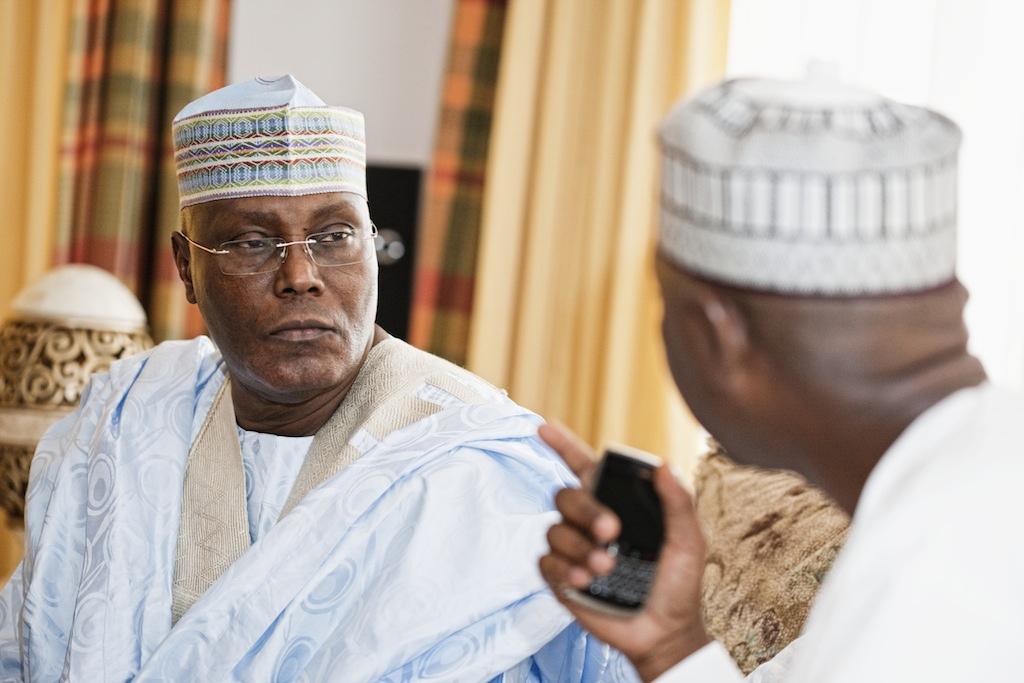
In a sharply worded statement, former Vice President Atiku Abubakar has challenged President Bola Tinubu to stop attributing Nigeria’s refinery woes to previous administrations and instead account for the massive sums spent on the facilities during his own tenure. Atiku, who ran as the presidential candidate of the African Democratic Congress (ADC), described the current administration’s approach as an “extraordinary act of political escapism.”
The criticism comes amid growing public frustration over the state of Nigeria’s refineries, which have long been a symbol of the country’s infrastructural challenges. Atiku’s remarks, delivered through his Senior Special Assistant on Public Communication, Phrank Shaibu, underscore a deepening political rift over the management of national assets.
The Numbers Behind the Controversy
At the heart of Atiku’s attack are figures from the Nigerian National Petroleum Company (NNPC) Limited’s financial records. According to these records, the combined obligations of the Port Harcourt, Warri, and Kaduna refineries to the national oil company surged from approximately ₦4.52 trillion at the end of 2023 to ₦8.67 trillion by the end of 2024. This represents an increase of about ₦4.15 trillion in a single year under President Tinubu’s leadership.
Atiku argued that these numbers tell a story that propaganda cannot erase. He noted that the administration had previously celebrated the refineries’ rehabilitation, with NNPC announcing in November 2024 that the Port Harcourt refinery was operating at 70 percent capacity. That announcement was presented as a key achievement of the president’s Renewed Hope Agenda.
“President Tinubu cannot have it both ways,” Atiku said. “When the cameras were rolling in November 2024, his government told Nigerians that the Port Harcourt refinery was back. NNPC announced that it was operating at 70 per cent capacity and expressly presented it as an achievement under President Tinubu’s leadership. Now that the celebration has turned into embarrassment, the same administration wants Nigerians to believe that the refineries are merely liabilities inherited from previous governments.”
A Shift in Tone
Atiku pointed to subsequent admissions by NNPC leadership that the refineries were operating at a “monumental loss,” effectively wasting public money. This, he said, represents a stark contradiction that Nigerians deserve answers to.
“If the combined obligations of these refineries jumped by more than ₦4 trillion in 2024 alone, what exactly did Nigerians receive in return?” Atiku asked. “Where did the money go? Where are the products? Where are the savings Nigerians were promised? And where is the refinery your government celebrated before television cameras?”
The former vice president accused the president of trying to claim credit for successes while deflecting blame for failures. “You cannot spend three years claiming credit for everything that appears to work and blaming your predecessors for everything that fails,” he said. “Leadership does not work that way.”
Broader Implications for Nigerians
Atiku framed the refinery issue as part of a larger pattern of governance that has left citizens bearing the cost of inefficiency. He noted that Nigerians continue to pay painfully high prices for petrol, even as enormous public resources are tied up in facilities that have failed to deliver sustainable refining capacity.
“Think about what ₦4 trillion could do for Nigeria,” Atiku said. “Think about the universities struggling with overcrowded lecture halls, hospitals without modern equipment, roads that have become death traps and communities without electricity or potable water. Yet trillions accumulate around refineries that the government itself now effectively acknowledges have been haemorrhaging public resources.”
He described the situation as “not merely incompetence” but “an unforgivable failure of stewardship.”
A Metaphor for the Presidency
Atiku suggested that the contradiction between the government’s triumphant refinery announcements in 2024 and its subsequent admissions provides a fitting metaphor for Tinubu’s presidency. He characterized the president’s scorecard after more than three years as “a story of fire and smoke — enormous expenditure, extravagant announcements and very little Nigerians can hold in their hands.”
“Nigeria cannot afford another four years of paying for failure,” Atiku warned. “Mr President, stop blaming your predecessors. After more than three years, you are no longer merely managing inherited liabilities. You are creating your own — and increasingly, your government itself has become the biggest liability Nigerians are being forced to carry.”
UPDATE NEWS:
As the debate over refinery management continues, the central question remains whether the government can provide transparent answers about the use of public funds and deliver tangible improvements in the nation’s refining capacity. For now, Atiku’s challenge places the onus on President Tinubu to respond to the allegations with facts, not just rhetoric.

Comments