



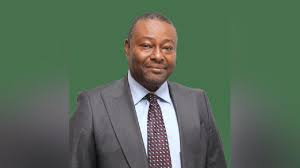
The Gambia’s human rights commission opened an investigation into Imam Baba Leigh over controversial remarks after public complaints and removal demands.
NHRC Chairperson Emmanuel Daniel Joof confirmed in a statement that the commission received and acknowledged multiple formal complaints regarding Leigh’s comments. The matter has been referred to the commission’s Directorate of Legal and Investigation for review.
The directorate is tasked with examining the statements, the circumstances in which they were made, and their broader context. Investigators are expected to interview Leigh and other relevant individuals before submitting findings, a legal opinion, and recommendations to the commission.
Joof said the commission deliberately avoided making a substantive public judgment while the investigation is active. He explained that reaching conclusions before the process concludes could amount to prejudging the formal complaints.
The controversy has sparked public debate about Leigh’s position, with some citizens calling for his dismissal. The commission acknowledged the seriousness of concerns related to tribalism, hate speech, discrimination, and intolerance, particularly statements that could threaten peaceful coexistence.
According to Joof, Leigh was on annual leave when the disputed remarks were made and was not representing or speaking on behalf of the NHRC at that time.
Following the backlash, Leigh issued a public statement explaining the context of his remarks and emphasizing that he spoke in his personal capacity.
He later apologized in a local language to the Mandinka community and others who felt offended, the NHRC said.
Joof said the commission has taken note of both the explanation and the apology, but cautioned that determining whether they are sufficient—or whether further action is needed—depends on the investigation’s outcome.
Addressing calls for Leigh’s dismissal, Joof said the chairperson does not have unilateral authority to remove a commissioner.
The appointment, tenure, and removal of commissioners are governed by the NHRC Act and other applicable laws, meaning any removal must follow legally prescribed procedures.
“Any removal must therefore follow the process prescribed by law and cannot properly be determined simply on the basis of public sentiment, pressure or demands, however strongly expressed,” he said.
Joof rejected suggestions that awaiting the investigation amounts to protecting Leigh from accountability. He argued that an independent investigation and adherence to due process are necessary to establish facts and ensure any decision is supported by evidence and law.
The commission reiterated its “zero tolerance” policy toward hate speech, tribalism, religious intolerance, and discrimination, regardless of who is responsible or which community is affected.
Joof pointed to the NHRC’s previous work on hate speech, including research, engagement with political parties, and advocacy campaigns aimed at discouraging divisive rhetoric.
“Human rights and equality cannot be applied selectively,” he said.
The commission appealed for the public to allow the investigative process to run its course, promising to consider the directorate’s findings and take any action within its mandate justified by evidence and law.
Joof said the absence of an immediate public determination should not be interpreted as inaction, arguing that investigating complaints and observing due process are themselves essential elements of accountability.
The NHRC also thanked members of the public for scrutinizing public institutions but urged them to allow the commission to reach what Joof described as a fair and impartial determination despite the emotions surrounding the controversy.
“The NHRC remains committed to protecting the rights and dignity of all persons in The Gambia and to promoting a society founded on equality, non-discrimination, tolerance, mutual respect and peaceful coexistence,” Joof said.
Source: Kerr Fatou Online Media House