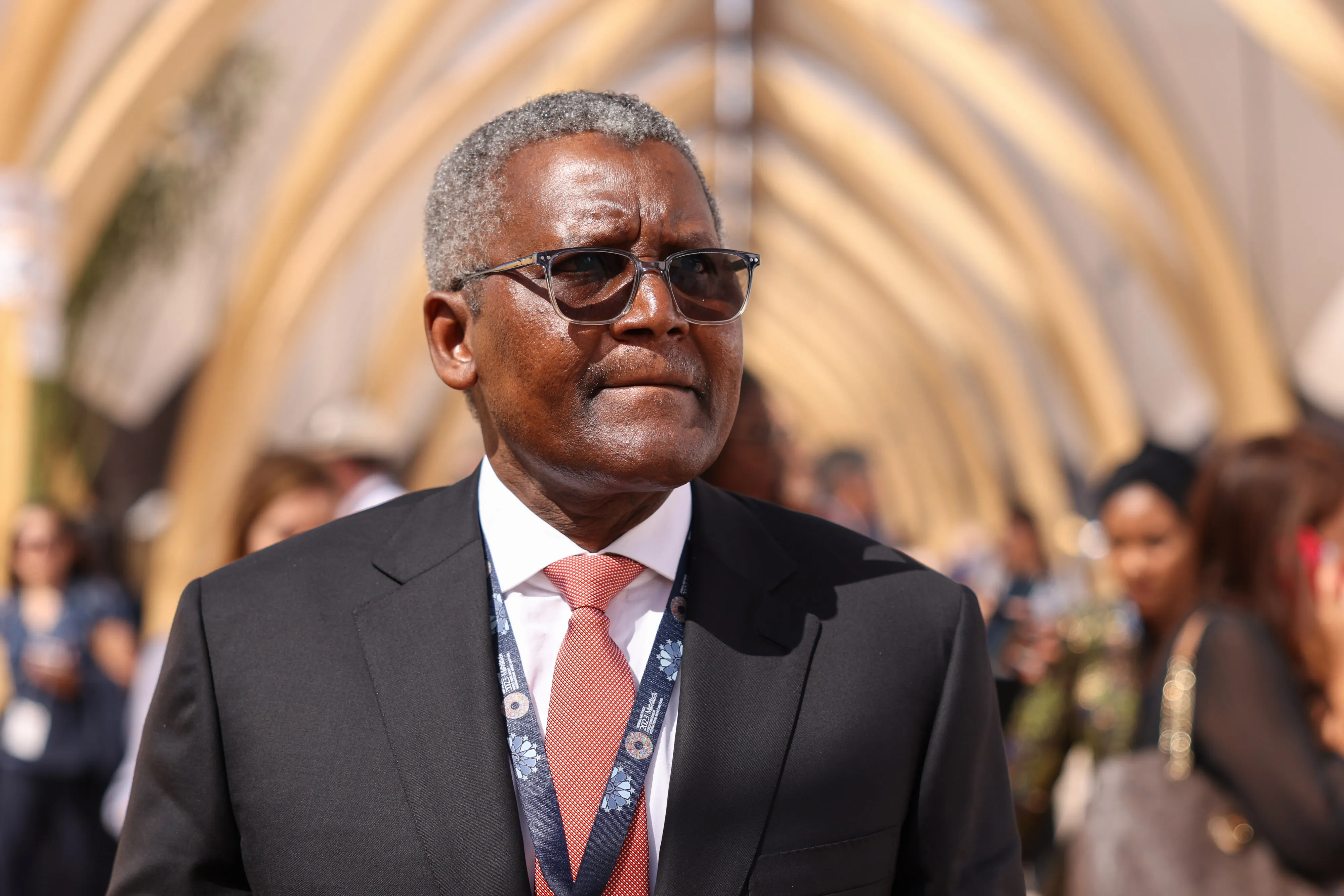
The Enugu State chapter of the Nigerian Medical Association has condemned the arrest of Professor Martin Aghaji and asked the DSS and the Nigeria Police Force to explain the circumstances. The report did not set out the grounds for the cardiothoracic surgeon's detention or say whether any charge has been filed.
Despite a victory, Nigeria’s Flamingos coach Akeem Busari openly admitted critical defensive lapses after conceding two goals, signaling that the win masked a structural vulnerability that could be exploited. The core takeaway is that Busari is prioritizing tactical discipline over scoreboard satisfaction, with specific second-leg plans aimed at shoring up the backline rather than relying on offensive firepower. This reveals a strategic pivot from reactive play to proactive defensive organization, acknowledging that World Cup qualification demands airtight execution, not just results. The unique insight is that the coach is using the win as a diagnostic tool, not a validation, to correct flaws before they become fatal in the decisive match.
This article uses the allegory of the late Chief J.F. Odunjo to frame the scandal surrounding President Tinubu’s Chief of Staff, Femi Gbajabiamila, and Adeniyi Adeyemi as a profound national crisis of self-serving power. The core insight is that these figures are not merely accused of corruption, but of a deeper betrayal—capturing state institutions for personal fiefdoms, mirroring a historical pattern of predatory leadership. The practical takeaway is that the scandal is less about individual malfeasance and more a symptom of a systemic capture where official titles are used to legitimize unchecked authority. The unique conclusion is that Nigeria’s current political rot is best understood not through policy failures, but through the timeless allegories of its own cultural wisdom, which predicted this very form of institutional hijacking.
The core value of this story lies in its counter-narrative to typical celebrity breakups: Kunle Fawole publicly declares enduring love and friendship for his ex-wife, Yvonne Jegede, proving that a marriage can end without destroying the bond. The practical takeaway is that prioritizing mutual respect and emotional maturity over public bitterness can transform a failed marriage into a lasting, supportive friendship. The unique conclusion challenges the assumption that divorce must be adversarial, offering a powerful model for post-marital relationships built on genuine care rather than resentment. Ultimately, the article’s value is in demonstrating that love can evolve, not vanish, after separation.
In response to a June 30 deadline and escalating anti-immigrant violence that has killed at least four foreign nationals, some Nigerians in South Africa have armed themselves for self-defense rather than accept voluntary repatriation. The violence, driven by groups like March and March who blame foreigners for unemployment, has led to home invasions and mass deportations, with over 25,000 people processed for departure. While several African governments have organized repatriation flights, a standoff captured on video shows Nigerians facing off against hostile locals across a police-guarded line, signaling a dangerous escalation. The core takeaway is that the crisis has shifted from targeted expulsions to armed communal resistance, threatening broader conflict if diplomatic and security interventions fail.
Despite a global crude price drop to ~$70/barrel, Nigerian petrol prices are unlikely to fall below N1,000/litre soon, as the market is locked in a strategic standoff between the Dangote Refinery and importers. The core insight is that price relief depends not on global oil costs, but on whether importers choose to trigger a price war against Dangote’s domestic production. Until that competitive battle materializes, consumers will bear the cost of this oligopolistic tension. The unique conclusion: local refining capacity alone does not guarantee lower prices—market competition, not production, is the true lever for affordability.
Peter Obi has blamed weak leadership and chronic underfunding, rather than flawed policy design, for the troubled separation of junior and senior secondary schools in Nigeria. In a statement posted on X, the former Anambra State governor said education budgets have consistently fallen short of UNESCO's recommended 15 to 20 percent of national spending.
Nigeria has escalated its diplomatic stance against South Africa, accusing its authorities of complicity in a wave of Afrophobic attacks and killings of Nigerian nationals, including cases of alleged police torture and extrajudicial violence. The Nigerian government warns that continued inaction and inflammatory rhetoric from South African officials—such as blaming victims for drug crimes—constitute state-sanctioned hate speech, potentially triggering tougher diplomatic measures. Crucially, Abuja frames these attacks as a breach of international law, arguing that South Africa’s failure to protect legal residents violates its state responsibility, especially given that South African businesses and citizens operate freely in Nigeria. The core takeaway: Nigeria is shifting from passive condemnation to threatening legal and diplomatic consequences, demanding that South Africa treat these incidents as systemic failures rather than isolated crimes, with justice for victims as a non-negotiable condition for bilateral stability.
A 67-year-old grandmother and a 45-year-old PhD student were both arrested in separate Nigerian drug trafficking operations, revealing that financial desperation drives even the most unlikely individuals into high-risk smuggling. The grandmother attempted to fly cocaine to the UK disguised as plantains, while the student coordinated a shipment of cocaine hidden inside bitters cartons bound for Malaysia. These cases highlight the NDLEA’s increasing use of international intelligence-sharing, including collaboration with the Royal Canadian Mounted Police, to dismantle trafficking networks. The core takeaway is that drug syndicates exploit vulnerable, educated, and elderly couriers alike, making community awareness and financial alternatives critical to prevention.
Atiku Abubakar argues that the latest scandal over the Presidential Foreign Intervention Promotion Council is not an isolated incident but the latest chapter in a defining pattern of the Tinubu administration, where scandals erupt regularly only to be met with highly publicized investigations that vanish into official silence. He identifies a corrosive double standard in accountability, where the government moves swiftly against ordinary citizens or expendable officials but slows investigations to a crawl when questions approach powerful, protected figures. This selective justice, he warns, erodes public trust gradually each time reports go unpublished and difficult questions are postponed, leaving citizens to fill the silence with speculation. The core indictment is that while millions endure crushing hardship from the government’s reforms, those managing the nation’s resources preside over an unprecedented wave of corruption, making the lack of transparency both cruel and indefensible.