
Nigeria Denies ₦8 Trillion ‘Shadow Budget’ Allegation, Blames IMF Report Misreading
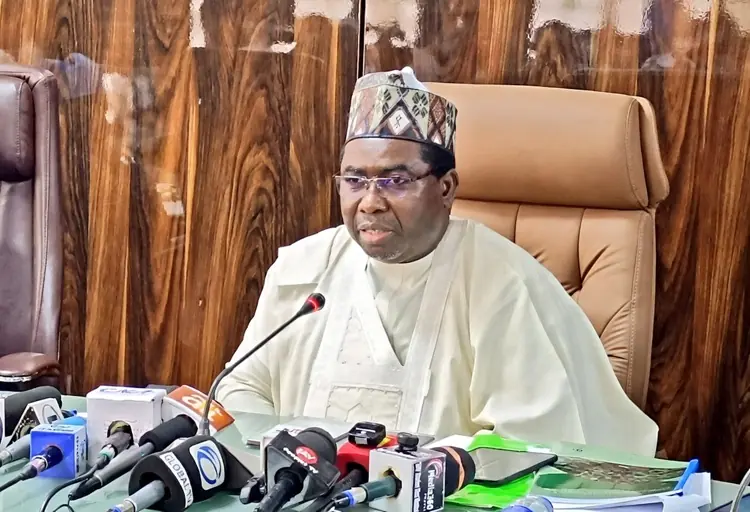
The Nigerian government is forcefully denying claims of an ₦8 trillion "shadow budget," triggered by an IMF report noting 2% of GDP in unreported expenditures, but the core dispute is a clash between IMF statistical methodology and Nigeria's legal fiscal framework. The government's defense rests on the argument that expenditures authorized by specific laws—including statutory transfers, debt servicing, and security interventions—are legitimate and transparent, even if not captured in the single-line budget narrative the IMF expects. Crucially, the government is challenging critics to name specific illegal projects, shifting the burden of proof from defending its accounting to demanding evidence of malfeasance. The practical takeaway is that Nigeria's fiscal opacity may be a feature of its complex legal structure rather than outright illegality, but the IMF's discrepancy signals a real risk of understated deficits and hidden fiscal pressures.