Edo Queens and Ampem Darkoa Ladies have both secured semi-final places at the WAFU B Women's Champions League qualifiers with perfect records in Group B. Hosts USFA also lead Group A after a strong opening win, with the final group fixtures set to determine the remaining semi-final spots.
This bill represents a direct legislative assault on Nigeria's civic and media independence, masquerading as transparency while creating a system of executive control over any group receiving foreign funds. The core threat lies in its vague, undefined terms and the creation of a powerful new commission with sweeping powers to register, monitor, and sanction—powers that go far beyond existing financial oversight and would chill legitimate public-interest work. By pointing to the existing regulatory framework (CAC, EFCC, SCUML), the opposition exposes the bill as redundant and politically motivated, designed to increase governmental leverage over independent voices. The threat of litigation signals a critical test of constitutional safeguards, where the outcome will determine whether Nigeria's civic space remains open or is systematically constrained.
Nigeria’s formal remittance inflows hit a record $947 million in July 2026, a 50.2% year-on-year surge that puts the Central Bank of Nigeria’s ambitious $1 billion monthly target within reach. This milestone validates the CBN’s strategic reforms—market-determined exchange rates, a revamped IMTO regulatory framework, and the Non-Resident Bank Verification Number—which have successfully redirected diaspora funds from informal channels into the formal economy. Beyond the headline figure, the influx bolsters foreign exchange liquidity, strengthens Nigeria’s external financing position, and supports household income, proving that targeted policy can systematically formalize remittance flows. The CBN’s sustained focus on diaspora engagement and reducing bottlenecks signals a durable shift toward long-term financial stability, not just a one-month spike.
The Nigeria Hydrological Services Agency has dismissed social media claims that Cameroon has begun releasing water from the Lagdo Dam, saying the reservoir remains below its maximum operating level. The agency attributed current flooding to intense rainfall, poor drainage, waste disposal and unauthorised urban development, and urged Nigerians to avoid panic over unverified information.
The Gambia has achieved a historic milestone in its anti-narcotics efforts with the arrest of a Nigerian national found in possession of over 9,000 ecstasy tablets and a drug-manufacturing machine—the first such equipment ever discovered in the country. This seizure signals a critical escalation in the regional drug threat, moving beyond simple trafficking toward the potential establishment of local clandestine synthetic drug laboratories. The operation underscores DLEAG's strategic shift to dismantle not just drug flows but also nascent production infrastructure, while highlighting the need for public vigilance to protect youth from this evolving danger.
This report details a successful security operation in Zamfara State, Nigeria, where police and military forces repelled a bandit attack on the Gusau-Funtua highway, rescuing all nine trapped civilians unharmed. In a separate, intelligence-driven action the same day, authorities arrested an arms courier and seized 11 locally fabricated AK-47 rifles, disrupting a weapons supply chain from Katsina State. The coordinated response highlights the effectiveness of joint task forces like Operation FANSAN YAMMA in countering armed violence, while the arms seizure underscores the critical need to sever logistical networks that fuel these attacks. The swift rescue and interdiction demonstrate a proactive security posture, though the ongoing investigation into the weapons' source signals a persistent threat requiring continued vigilance.
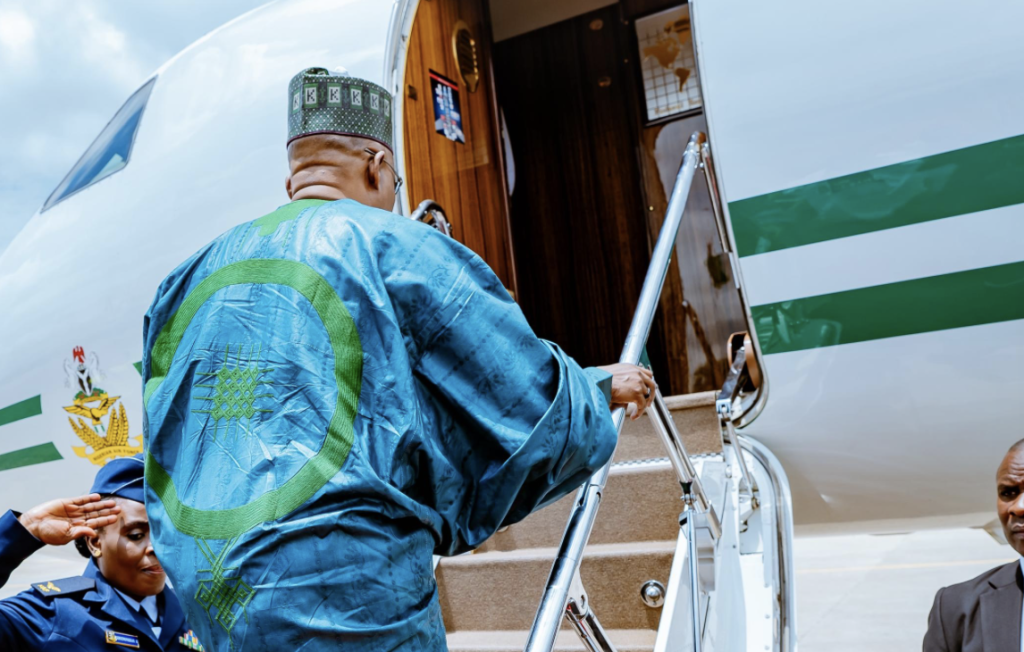
Vice President Kashim Shettima is representing President Bola Tinubu at the AU’s 21st Extraordinary Session in Angola, signaling Nigeria’s strategic commitment to shaping continental conflict-resolution policy. The summit’s core focus is translating high-level dialogue into practical, collective security mechanisms, with Nigeria expected to champion stronger frameworks for preventing disputes and sustaining peace. By dispatching the VP alongside senior defense officials, Nigeria is positioning itself as a key architect of African stability, not merely a participant. This move underscores a deliberate strategy to leverage presidential representation for high-stakes diplomatic engagement, reinforcing Nigeria’s role as a pivotal peacebuilding force on the continent.
Nigeria’s near-catastrophic experience in the P&ID arbitration, where compound-interest calculations threatened billions in damages, has transformed the country into a leading advocate for overhauling the international investor-state dispute system. The Attorney-General’s core argument is that current rules leave damage calculations to the “whims” of individual arbitrators, creating opacity and unpredictability that erode trust for both states and investors. Nigeria’s reform agenda therefore prioritizes clear, consistent standards for damages, greater procedural transparency, and stronger protections for national sovereignty and domestic courts. The strategic takeaway is that a single flawed award can cripple a nation’s economy, making systemic reform of ISDS not a legal nicety but an economic imperative for developing countries.
Atiku Abubakar is weaponizing age as a political tool, claiming he has court-ready evidence that President Tinubu is 90 and sick, while positioning himself as the healthier, stronger alternative for 2027—a move that shifts the debate from policy to personal capacity. His core argument is that persistence defines his career, citing four gubernatorial runs blocked by military rulers and an exile attempt on his life, framing repeated presidential bids as normal rather than desperate. The deeper insight is his security critique: Nigeria’s chronic violence stems from a government that underfunds and underpoliced a population of 200 million, compared to Egypt’s one million officers for 80 million people. The unique conclusion is that Atiku is betting on a dual narrative—judicial proof of Tinubu’s age and a systemic failure of state protection—to cast himself as both the legally legitimate and physically capable challenger.
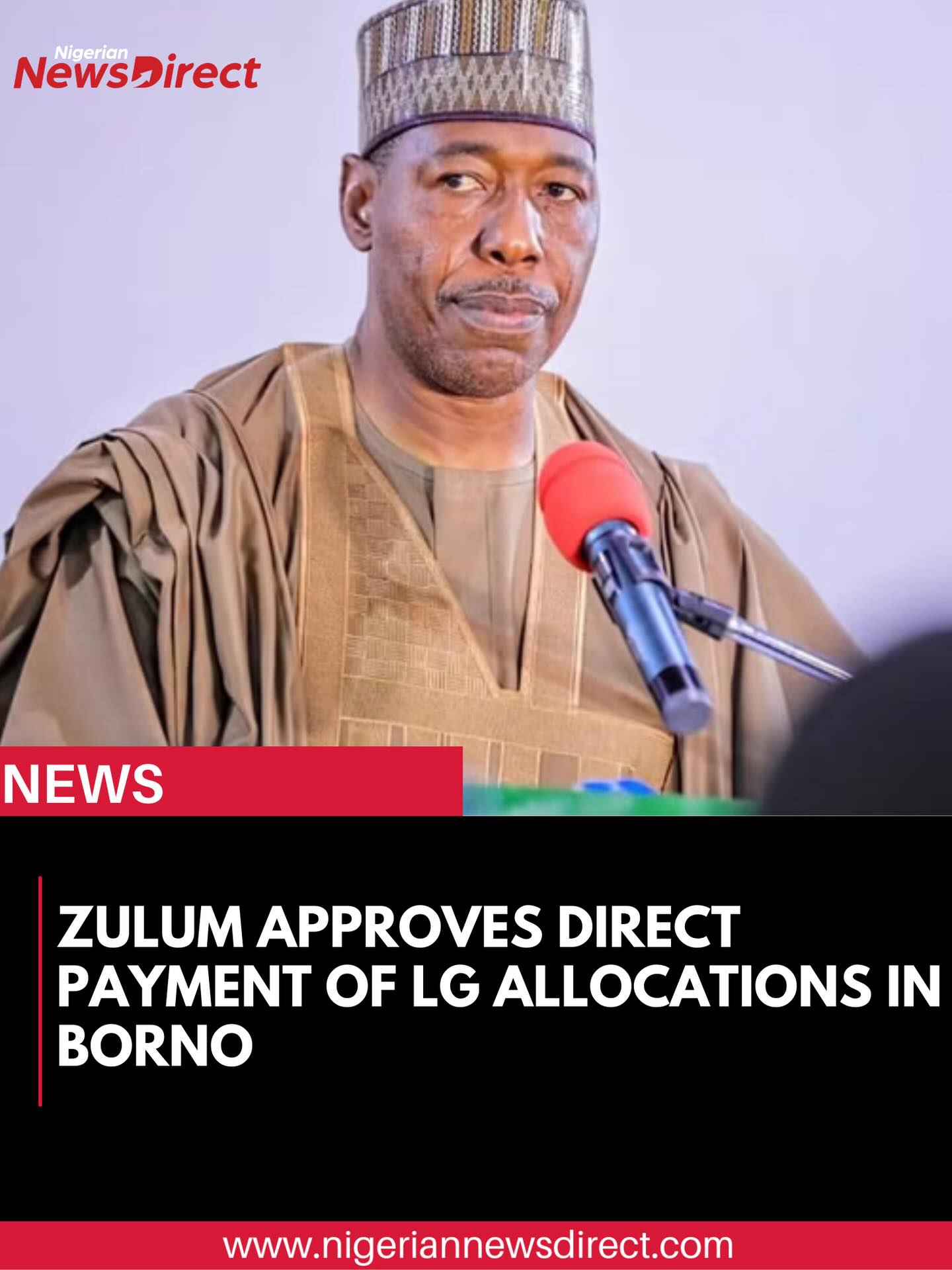
Three youths in Borno State were arrested for sharing publicly available FAAC allocation data—totaling N3.11 billion for their local government—but were released only after media pressure, highlighting the dangerous fragility of civic freedom in Nigeria. The arrests, initiated by the council chairman, were based on a post that contained no allegations, only figures from official government reports, underscoring how transparency itself is treated as a threat. The swift release within hours of press coverage reveals that public scrutiny and media attention remain the most effective levers for protecting citizens against arbitrary detention. This incident serves as a stark warning: in Nigeria, exercising the right to share public information can lead to arrest, and only external visibility can secure justice.