


At its annual general assembly in Lomé, Wycliffe-Togo brought together Christian leaders and linguists not just to review the past year, but to confront a question that reaches beyond scripture: how does translating the Bible into local languages also preserve the cultural identity of Togo’s communities? The meeting, held on August 29, 2026, at the association’s headquarters in Aflao-Gakli, was framed by the theme “Together, let us build the future of the mission,” signaling a deliberate focus on collaboration and long-term strategy.
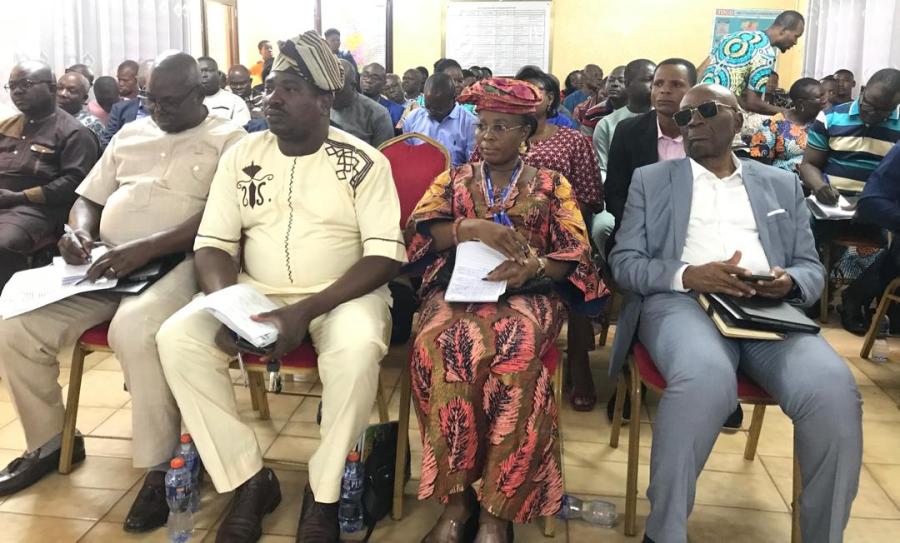
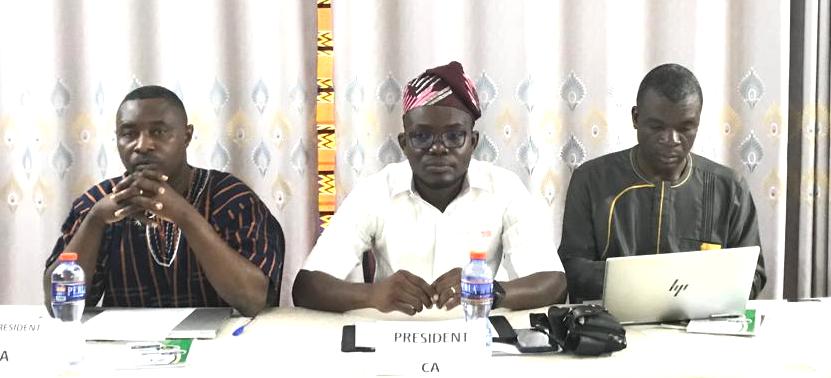
The assembly served as a platform for accountability and forward planning, according to Egou Komlan Sépenyon, President of the Board of Directors of Wycliffe-Togo. He described the gathering as a necessary space for reporting, strategic reflection, and analyzing challenges to determine future measures. Sépenyon also noted that governance and management improvements have been made, with measures taken to secure various aspects of the organization’s work, though he stressed that Bible translation remains a central challenge.
A Call for the Church to Embrace Its Mission
The assembly’s keynote presentation was delivered by Professor Patrick A. K. Nouwode, a missiologist and social psychologist. His remarks centered on the biblical purpose and theological nature of the mission, urging the Church to take greater responsibility in supporting translation work. He called for concrete commitments, including financial support, mobilization of human resources, and prayer, warning that neglecting the mission would cause the Church to lose its vocation and divine nature. “Without missions, the Church becomes derelict in its duty,” he insisted, adding that the mission must be carried out in unity.

Translation as a Tool for Cultural Preservation
For Wycliffe-Togo, the translation effort extends beyond the religious sphere. Sépenyon emphasized that translating biblical texts into local languages contributes to the preservation of languages and cultures, and their transmission to future generations. He explained that understanding the biblical message becomes more direct, natural, and often deeper when expressed in the language of everyday life. The work, he noted, requires a range of skills—linguistic, sociological, and anthropological—to respect the meaning of the text while accounting for the cultural realities of the communities involved.
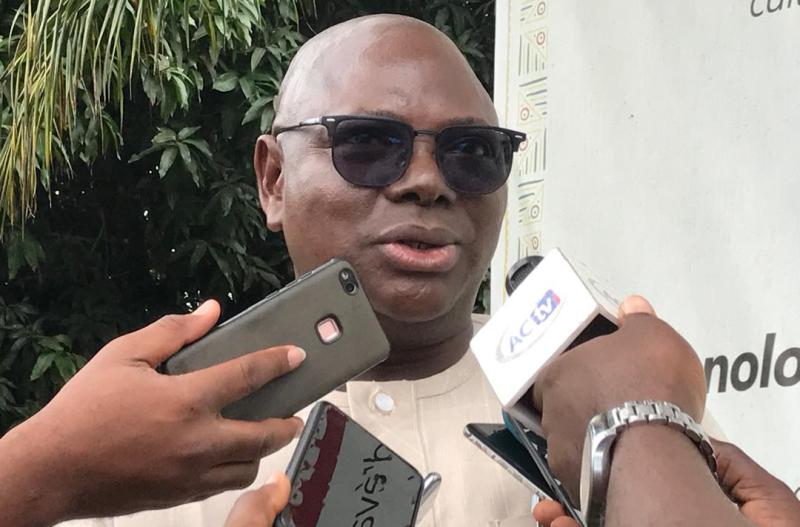
This approach has practical implications for literacy and linguistic heritage. Sépenyon pointed out that translation efforts can help harmonize alphabets and spelling in certain languages, making it easier for people to learn reading and writing. In a context where national and international languages often dominate, he argued that translating the Bible into local languages is also about preserving identities and giving communities the means to pass on their language and culture to future generations.
Mother Tongue as a Bridge to Understanding
Samuel Tinnidjotobe Kpagheri, Executive Director of Wycliffe-Togo and a translation consultant, underscored the importance of the mother tongue in making the biblical message accessible. “When we have important things to say, it is better to say them in our mother tongue,” he said, noting that people feel more at ease and do not need dictionaries to understand certain words. He also highlighted that translation into mother tongues allows people with little or no formal education to better grasp biblical texts.
Progress and Plans: From Completed Translations to New Goals
To date, the Bible is available in three local languages in Togo: Ewé, Mina, and Ntcham, the latter spoken notably in the Bassar prefecture. The New Testament has been translated into several other languages, including Ifè, Ngangam, Moba, Tem, Lama, and Akaselem, with translation work ongoing for some of these.
Looking ahead, Wycliffe-Togo is collaborating with the International Linguistic Society (SIL) to finalize translations of the Bible into four additional languages. Kpagheri confirmed that work is well advanced on translations into Lama, Kabyè, Ifè, and Moba, which will be added to the completed work. The assembly concluded with a question-and-answer session and the presentation of the association’s activity and financial reports, delivered by the Executive Director and the Financial Director, respectively.
As Wycliffe-Togo moves forward, its mission appears to be as much about cultural continuity as about religious outreach, reflecting a broader trend in which language preservation and faith intersect in meaningful ways.
Source: AG : Wycliffe-Togo veut accélérer la traduction de la Bible dans les langues locales