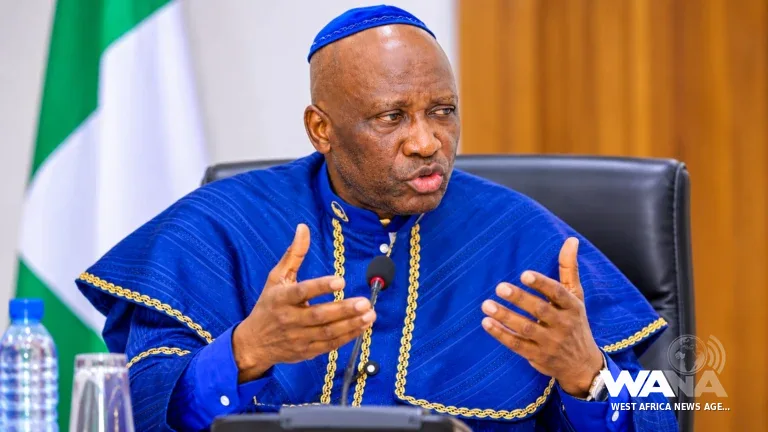
Peter Obi, the Labour Party’s presidential candidate in the 2023 election, has argued that the difficulties surrounding Nigeria’s split secondary education system stem from weak governance and chronic underfunding rather than a flawed policy design.
In a statement posted on his official X account on Friday, Obi said the policy separating junior and senior secondary schools was sound in concept but had been undermined by years of neglect and a lack of political will. The former Anambra State governor placed responsibility on successive administrations, contending that the education crisis reflects bad leadership rather than bad ideas.
He pointed to persistently low budgetary allocations to education, which he said have consistently fallen short of the 15 to 20 percent of national spending recommended by the United Nations Educational, Scientific and Cultural Organization, as evidence of misplaced priorities.
His criticism echoes long-standing complaints from education advocates, who note that Nigeria’s education budget has hovered around 5 to 7 percent of total expenditure for years, leaving schools without basic infrastructure, trained teachers or instructional materials. The separation of junior and senior secondary schools, introduced as part of the 6-3-3-4 system and later revised under the 9-3-4 structure, requires separate facilities, staffing and administrative oversight for each tier, demands that underfunded state governments have struggled to meet.
Obi’s statement suggested that the Federal Government has been quick to blame the policy itself for implementation failures that stem from inadequate investment. Rather than addressing root causes such as insufficient classrooms, a shortage of qualified teachers and poor oversight, he argued, officials have allowed the system to deteriorate and then used that deterioration as justification for abandoning or modifying the policy.
That pattern, in Obi’s view, reflects a broader leadership deficit in which short-term political considerations override long-term national development goals.
The stakes are considerable for Nigeria’s large and growing youth population. With one of the world’s highest numbers of out-of-school children, estimated at over 10 million by various international bodies, the country faces a mounting challenge in equipping young people with the skills needed for the modern economy.
Obi has made education reform a central plank of his political platform, frequently linking it to his broader agenda of moving Nigeria from a consumption-based economy to a production-driven one. His Friday post reinforced that message, framing the secondary school policy failure as emblematic of a system that consistently underinvests in human capital.
The policy separating junior and senior secondary schools remains in effect, though its implementation varies widely from state to state. Some states have built dedicated junior secondary schools, while others continue to operate combined facilities, creating an uneven educational landscape.
Obi’s intervention adds to pressure on the government to either adequately fund the existing policy or propose a viable alternative. With the current administration settled in office, education advocates are watching to see whether the secondary school crisis is treated as a priority.
Source: TheCitizen


1 comment