
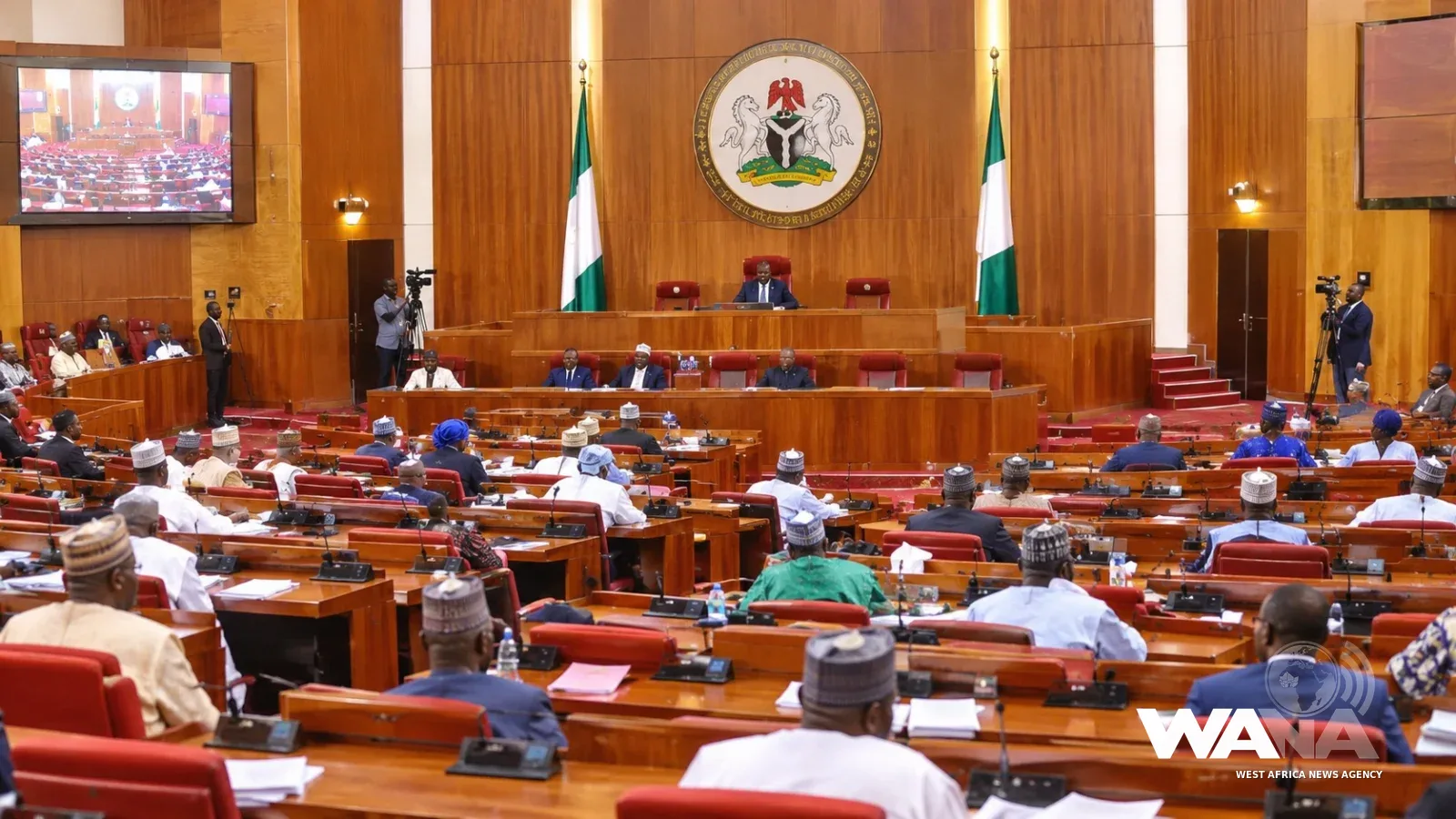
The House of Representatives has passed for second reading a bill adding a Grant for Vulnerable Groups Programme and a National Social Safety-Net Coordinating Office to the National Social Investment Programme Agency.
Speaker Tajudeen Abbas presided over the plenary and put the bill to a voice vote, and lawmakers supported it to scale second reading.
The bill, sponsored by Deputy Speaker Benjamin Kalu and six other lawmakers, seeks to amend the National Social Investment Programme Agency (Establishment) Act, 2023. The co-sponsors are Bamidele Salam, Jonathan Gbefwi, Nkemkamma Kama, Lawan Shettima, Aminu Balele and Kelechi Nwogu.
The proposed legislation has 15 clauses.
According to the bill’s stated aims, it is intended to reposition and refocus the agency for better performance, improved efficiency and more effective delivery of social investment programmes.
New grant component
One of the bill’s central proposals is the introduction of the Grant for Vulnerable Groups Programme as an additional component of the agency. The bill does not set out the size, eligibility rules or funding arrangements for the proposed grant.
Coordinating office and register
The bill also proposes establishing the National Social Safety-Net Coordinating Office as the central coordinating and data-management institution for national social safety-net programmes. Under the proposal, the office would maintain, update and verify the National Social Register.
The bill further proposes establishing state offices and introducing executive directors with defined responsibilities for individual programmes. It does not specify how many executive directors would be created or which programmes each would oversee.
Kalu’s argument
In his lead debate, Kalu said the strength of a social investment programme should be measured by whether vulnerable citizens feel its impact, not by budget size or the number of programmes.
He said the success of such programmes should be judged by their effect on intended beneficiaries rather than by budget size or the number of interventions.
Kalu said the National Social Investment Programme Agency was established to give institutional structure to the state’s promise to protect vulnerable citizens.
He said the evolving scale and complexity of the social protection landscape creates a compelling need to strengthen coordination, implementation and monitoring.
The amendments, he said, recognise that effective social investment requires an integrated system with properly managed beneficiary data, coordinated programmes and engaged state and local governments. He said the bill seeks to establish clearer institutional responsibilities and stronger coordination mechanisms.
What the bill does not settle
The bill’s 15 clauses have not been published in detail, and the second reading does not itself alter the agency’s structure.
The proposals on the grant programme, the coordinating office, the state offices and the executive directors would take effect only if the bill clears the remaining legislative stages and is assented to.
The bill does not state how the proposed coordinating office would relate to existing data-holding arrangements, nor does it set a timeline for establishing the state offices.
It also does not indicate the cost of the new components or how they would be funded.
For now, the measure has advanced only to the point of a voice vote in the House. Its next step would be committee consideration, where the 15 clauses are likely to face closer scrutiny.







Comments