

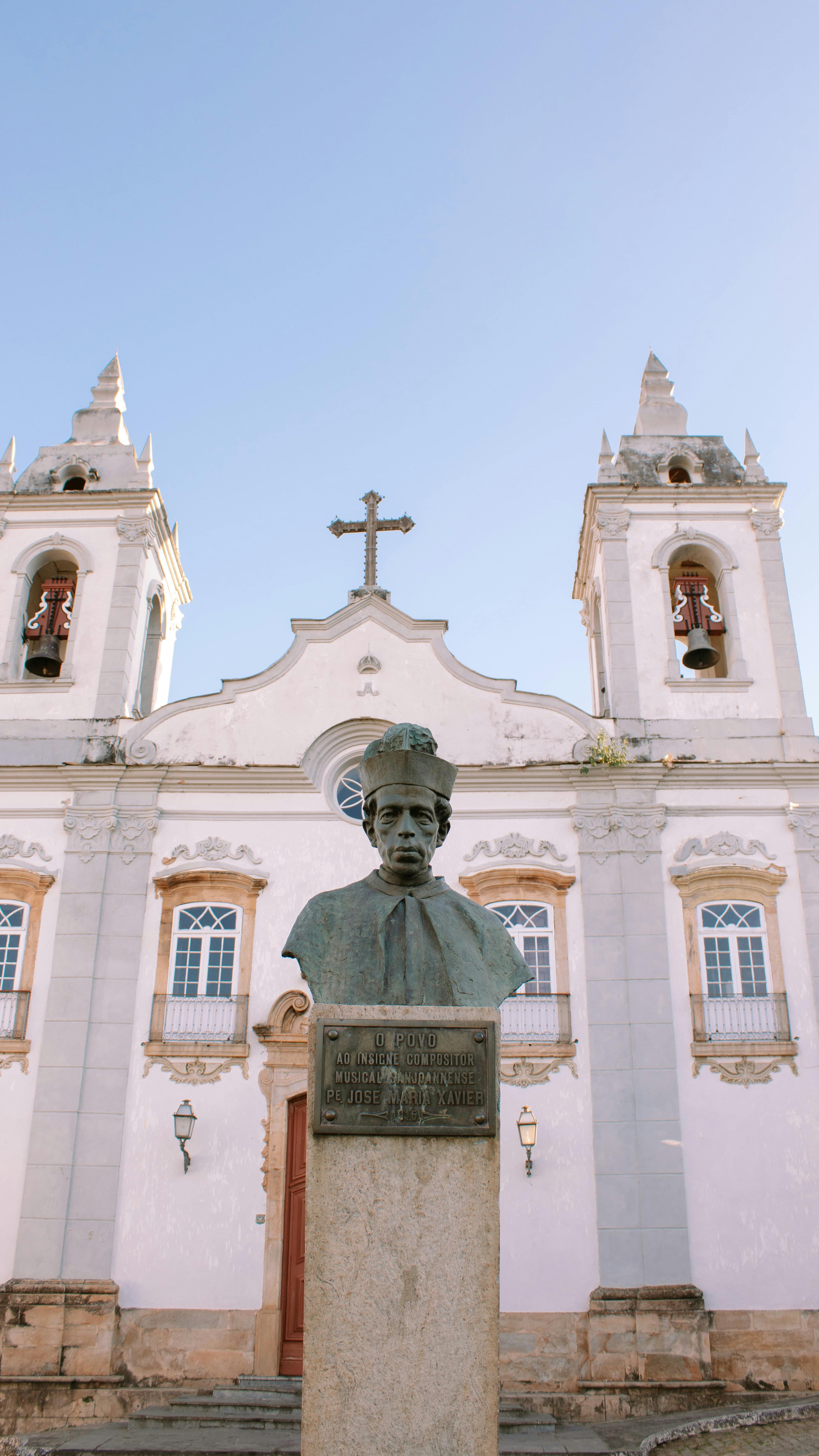
In the wake of the August 15 festivities, a dispute over the patron saint of Nossa Senhora do Monte Parish has drawn sharp reactions from the local community and its emigrants. Alberto Santos, an emigrant and self-described defender of the parish, took to social media to express his frustration over what he sees as a shift away from the traditional invocation of the parish’s patroness.
At the heart of the controversy is the question of identity: many residents and emigrants continue to recognize Nossa Senhora da Graça as the true patron saint of the parish, while others have adopted the designation Nossa Senhora do Monte. Santos argues that this change is not merely a matter of nomenclature but represents a deeper erosion of the parish’s spiritual and cultural heritage.
A Call to Preserve Tradition
In his social media post, Santos congratulated the community on the recent celebrations but reiterated his commitment to the parish’s traditional patroness. He wrote, “I wish that the day of the Assumption of Our Lady, celebrated yesterday, was marked by much Health, Faith, and Hope — always recognizing our true Patroness of the parish of Nossa Senhora do Monte: Nossa Senhora da Graça.”
Santos’s remarks reflect a broader sentiment among those who feel a deep connection to the parish’s roots. He expressed indignation at what he perceives as a devaluation of the patroness’s name, calling the image of Nossa Senhora da Graça “the spiritual and cultural heritage of us all.” He also criticized local leaders for not sharing the same emotional attachment that many parishioners carry in their hearts.
Growing Divisions Within the Community
The dispute has highlighted a growing divide among parishioners. Santos lamented that instead of fostering unity, recent decisions have created confusion and discord. “It is regrettable that, instead of promoting unity, the parish is fostering division: some celebrate Nossa Senhora da Graça, while others confuse her with Nossa Senhora do Monte,” he said.
This tension is not limited to the parish’s internal affairs; it has also resonated with the emigrant community, which remains closely tied to the traditions of their homeland. Many emigrants have voiced support for preserving the historical memory and intangible heritage of the parish, calling for an official clarification from those in charge.
Awaiting an Official Response
As the debate continues, the community is awaiting a formal position from parish leadership. The lack of a clear response has only deepened the sense of uncertainty among those who feel that the parish’s identity is being reshaped without adequate consultation or respect for tradition.
For now, the controversy remains unresolved, with both sides holding firm to their views. What is clear is that the issue touches on more than just a name—it speaks to the broader challenge of balancing tradition with change in a community that values its heritage deeply.
This article is based on a report by the original source. Full credit goes to the original reporting.

1 comment