

In the Kayes region of western Mali, the effects of a changing climate are visible in daily life.
Reduced rainfall, shrinking watercourses, and drought are disrupting livelihoods and putting pressure on local ecosystems, according to a recent program from Studio Tamani.
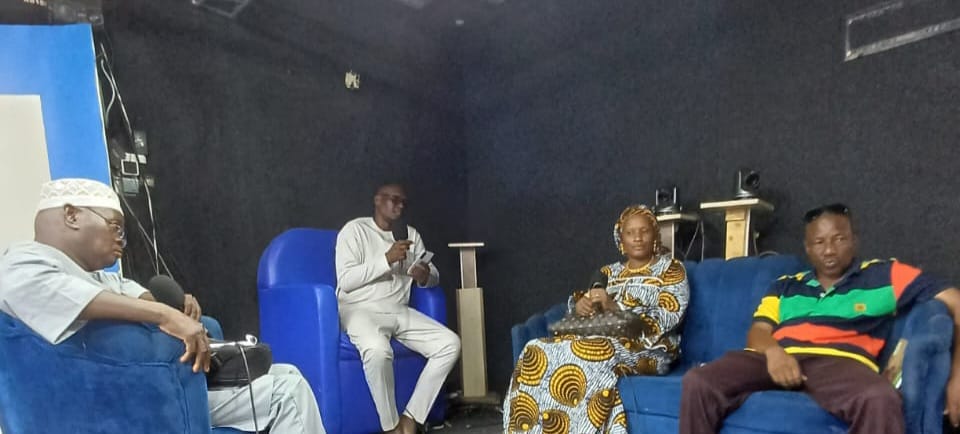
The program, titled “Grand Dialogue,” brought together local voices to discuss how the region is responding. The discussion focused on the actions being taken on the ground and the strategies communities are using to cope with these new environmental conditions.
Who Is Involved in the Local Response
The conversation featured three participants with direct roles in the regional effort:
- Demba Traoré, communications officer at the Kayes Urban Commune town hall.
- Doumbia Mariam Touré
- Mamadou Konaté, head of the Environmental Monitoring, Control and Evaluation Division at the Regional Directorate for the Environment, Pollution Control and Nuisances.
, president of the “Musow Seko” Association.
Their participation highlights a coordinated approach that involves municipal government, civil society, and state environmental agencies.
The presence of these different institutions suggests that adaptation efforts in Kayes are being addressed from multiple angles, from local administration to community organizing to regulatory oversight.
Adaptation as a Community Effort
The program’s framing points to a broader reality: climate adaptation in the Sahel often depends on local initiative. While national and international policies set frameworks, it is frequently community-level organizations and municipal bodies that implement practical solutions.
The involvement of the “Musow Seko” Association, a women’s group, also reflects the important role that women’s organizations play in natural resource management and community resilience across the region.
The full discussion is available in the original broadcast, which offers more detail on the specific projects and methods being pursued in Kayes.
Source: Studio Tamani

Comments