Young Nigerians won a constitutional amendment in 2018 lowering age limits for elective offices, but high nomination fees and rising campaign spending limits continue to block their path to power. A West Africa Youth Democracy Conference in Dakar brought delegates from 12 countries together to discuss the gap between legal rights and financial reality.
HubPharm Africa, a Nigerian healthcare startup led by Tope Kareem, won the US$30,000 grand prize at the second ECOWAS Startup Awards in Abuja on 30 September 2026. Gaynako of Senegal and My Opinion of Côte d'Ivoire took the runner-up prizes, while the Commission launched the ECOWAS Private Sector Development Academy and ECOWAS Startup Networks.
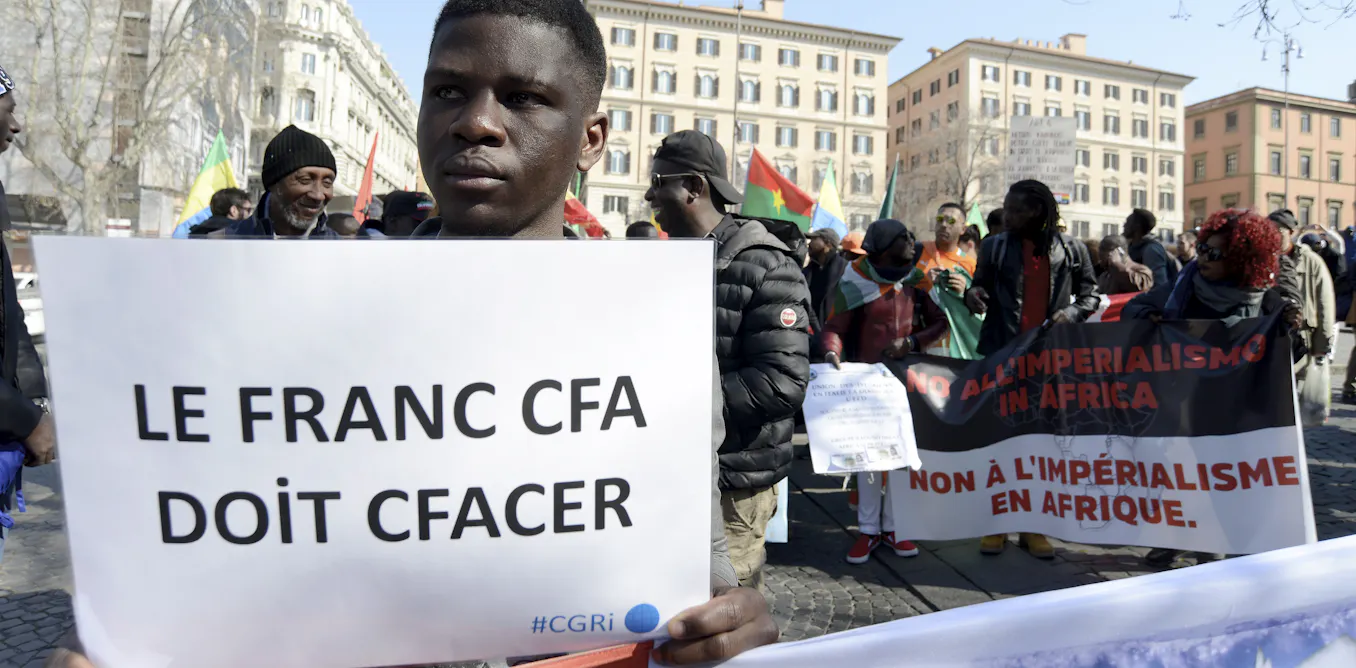
Dr Babo Amadou Ba proposes replacing the CFA franc with a new Senegalese currency called the Kopar in a new book, arguing that the current arrangement limits Senegal's control over interest rates, exchange parity and credit direction. He sets out conditions for the transition, including preparation, macroeconomic discipline and public communication.
The ECOWAS Resident Representation in Senegal held a workshop in Pointe Sarène from September 15 to 19, 2026, reviewing its 2025-2026 activities and setting programming and budgeting for 2027-2029. Participants assessed physical and financial execution, identified constraints and agreed priorities, responsibilities and a monitoring system. The Representation now holds a consolidated framework for the three-year period.
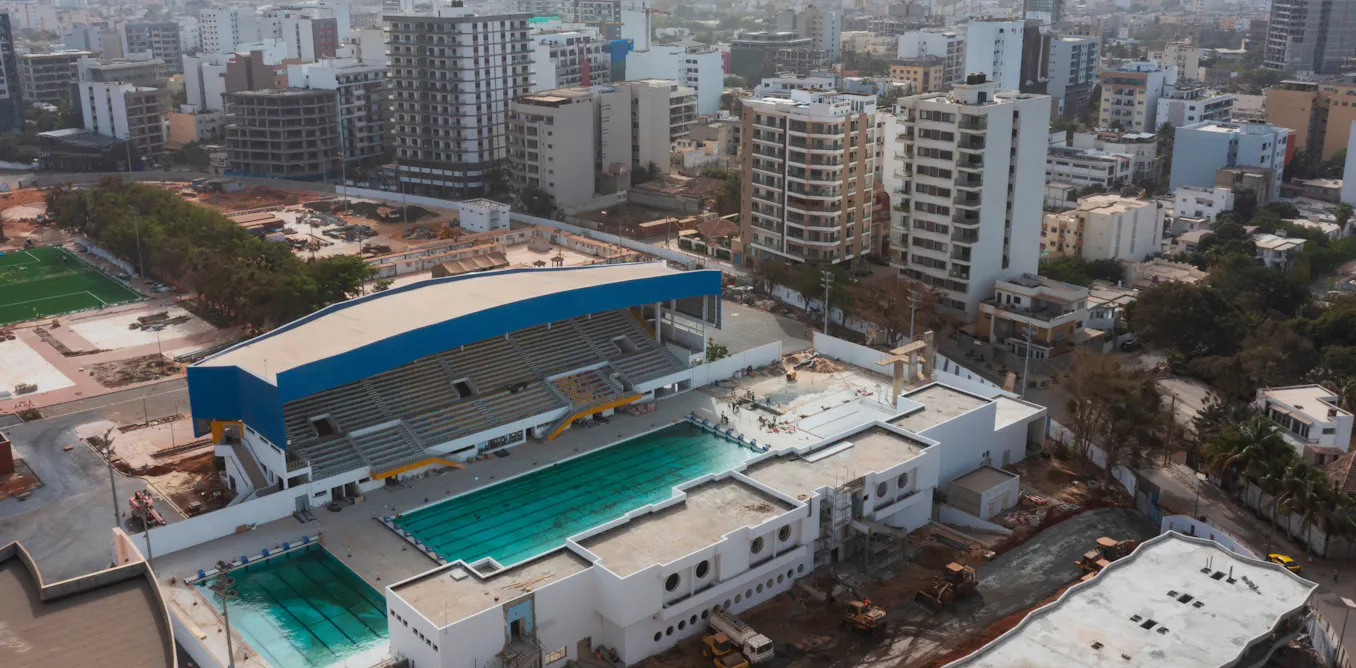
Senegal has built and rehabilitated sports facilities in Dakar, Diamniadio and Saly for the Youth Olympic Games, scheduled for 31 October to 13 November 2026. Two researchers argue the Games could reshape how the country finances, manages and maintains sports infrastructure once the competition ends.
Senegal's technical agreement with the IMF on a $2.2 billion programme has not yet delivered any funds or reduced the debt. The international eurobond market and the regional Uemoa market are pricing the same sovereign debt very differently, a gap economist Florent Kanga Gbongué calls the perimeter premium.
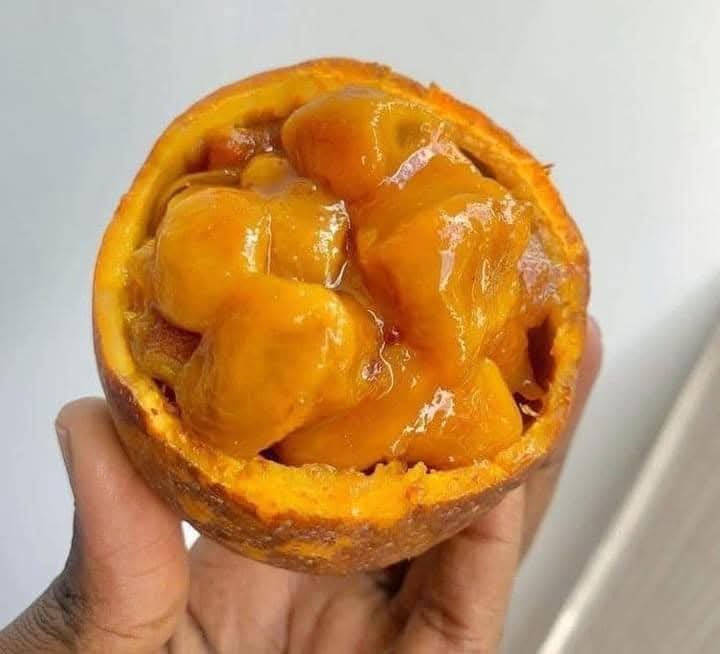
The Maad fruit (Saba senegalensis) is not merely a seasonal delicacy but a comprehensive natural pharmacy, offering a dual value proposition: its vitamin C-rich pulp bolsters immunity and digestion, while its leaves and bark deliver potent antiseptic, respiratory, and digestive remedies validated by both modern nutritionists and centuries of traditional practice. The plant's true strategic insight lies in its full-spectrum utility, providing targeted treatments for skin wounds, coughs, headaches, and even hypertension through simple preparations like poultices, inhalations, and macerations. This positions Maad as an underutilized economic and health asset for West Africa, where its wild growth and established cultural acceptance create a unique opportunity for integrated health and commercial development. The core takeaway is that Maad's value extends far beyond the market stall, representing a bridge between traditional pharmacopoeia and modern wellness that deserves formal recognition and investment.
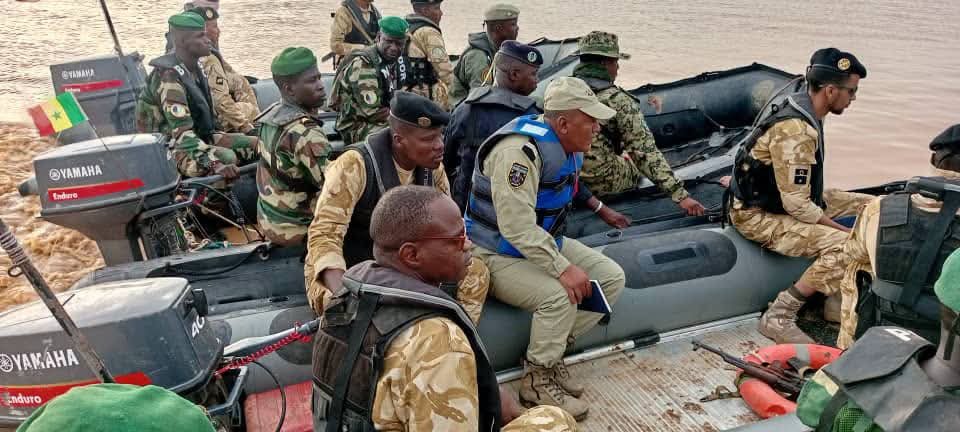
Senegal and Mauritania launched their first joint river patrols on August 13, 2026, combining naval infantry with police and gendarmerie forces to secure their shared border. The operation targets high-risk riverine areas like Tassem and Sinthiane Diama, aiming to deter illicit activities while reassuring local communities through visible security presence. This initiative represents a practical escalation of bilateral defense cooperation, moving beyond symbolic agreements into routine, integrated field operations. The key takeaway is that sustained joint patrols, not just occasional exercises, are the effective mechanism for turning border security policy into tangible prevention and public trust.
A routine police roadblock in Saint-Louis led to the dismantling of a sophisticated drug operation, revealing a dealer who was using a legitimate vegetable farm as a cover for cultivating and packaging cannabis. The arrest of a buyer with 500 grams of cannabis triggered a chain reaction, exposing a 900-square-meter field where the primary supplier was caught in the act of packaging the drug alongside unsuspecting consumers. This case underscores a critical vulnerability in drug enforcement: a single traffic stop can unravel an entire supply chain, from street-level buyer to the hidden agricultural source. The key takeaway is that proactive, routine policing, when combined with swift judicial authorization for search and seizure, can effectively penetrate and neutralize drug networks that are camouflaged within legal agricultural activities.
The RAES network is operationalizing a critical insight for development impact: aligning its flagship "C'est la vie!" edutainment program with the specific national health priorities of each country (Burkina Faso, Côte d'Ivoire, Niger, Senegal) rather than applying a one-size-fits-all model. The core value lies in its 360-degree communication strategy—combining a TV series, digital campaigns, educational kits, and community activities—to drive behavioral change in youth sexual health and gender equality. The practical takeaway is that this regional synergy workshop was not just a meeting, but a deliberate mechanism to share experiences and strengthen collaboration, ensuring that the 2026 season of the program is more effective through localized, coordinated action. The unique conclusion is that sustainable impact in adolescent health requires a dual focus: a powerful, engaging media franchise to capture attention, coupled with a disciplined, country-by-country alignment with government priorities to ensure legitimacy and long-term integration.