ECOWAS and partners opened the second COYWA regional training session in Accra, 26-30 October 2026, to strengthen digital and financial skills of young and women entrepreneurs.
The session follows an online training phase that began on 23 September 2026, allowing participants to start their learning remotely before continuing in Accra.
The programme is organised by the Economic Community of West African States alongside the African Union Development Agency (AUDA-NEPAD) and the Spanish Agency for International Development Cooperation (AECID).
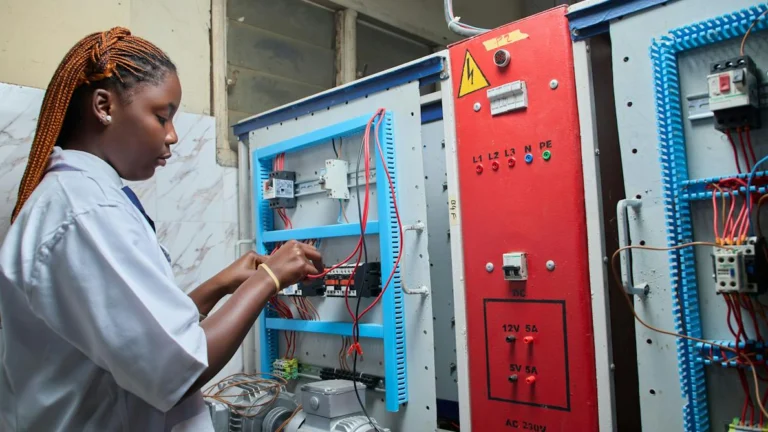
The curriculum covers mastery of digital tools, including online security, improving business productivity and using digital platforms in entrepreneurial activities.
Participants are also introduced to the responsible use of artificial intelligence tools to support their activities, improve certain work processes and strengthen their capacity for innovation.
By combining financial education with digital skills, the COYWA programme aims to promote an integrated approach to entrepreneurship in which the management of resources and the use of technology are mutually reinforcing.
AUDA-NEPAD leads the COYWA programme, with ECOWAS acting as a key regional implementation partner helping to tailor the initiative to West African needs and priorities.
ECOWAS frames the second training session as part of its commitment to investing in the skills, innovation and economic empowerment of young people and women in the region, in line with its Vision 2050 and its commitment to human capital development.
The certificate award ceremony was attended by the ministers responsible for youth affairs from Sierra Leone and The Gambia, the representative of Benin’s Minister for Youth, Senegal’s Director of Youth Affairs, the ECOWAS Permanent Representative in Ghana and the Director of the Centre for Youth and Sports Development (CDJS/ECOWAS).
Addressing the ceremony, the ECOWAS Commissioner for Human Development and Social Affairs, Professor Nassirou Bako-Arifari, commended the implementation of the programme, which he said ensures training grounded in the economic and entrepreneurial realities of West Africa.
He encouraged participants to forge lasting networks among young West African entrepreneurs so that the skills acquired can be put to practical use in local and cross-border markets.
Through the second cohort, ECOWAS reaffirms the importance of support that combines training, access to digital tools, financial literacy and market access, in order to enable young and women entrepreneurs to transform their initiatives into viable and sustainable businesses.
Comments