Skip to content
AdvertisementAdvertisement

Search news

Type to search stories, topics and pages.

Uncategorized

Uncategorized

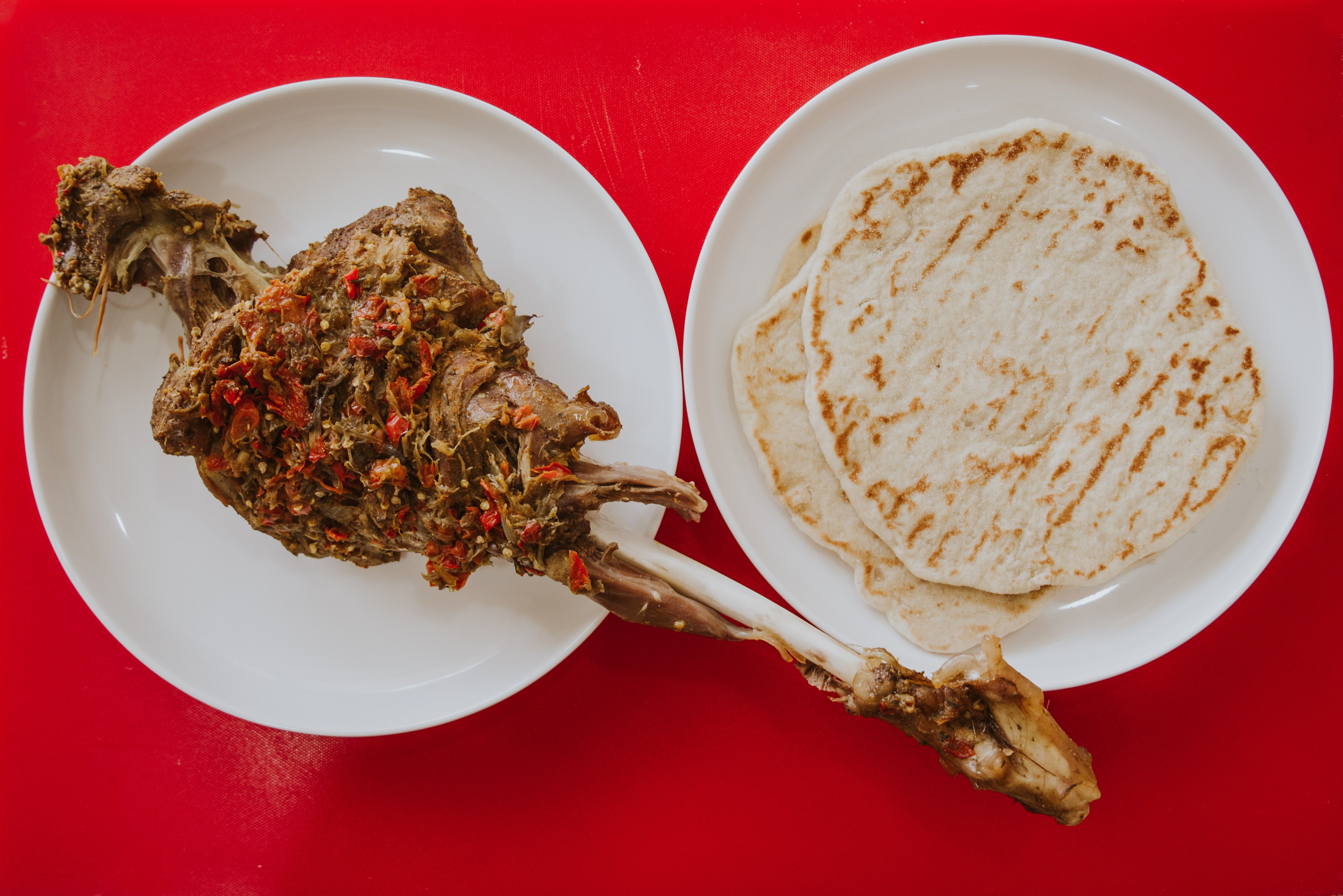
From Bank Layoff to Roadside Success: How a Former Banker Turned Peppered Ponmo Into a New Career

By Kabir Isa

Adekunle Adeloye’s story proves that professional identity and formal credentials do not guarantee survival, and that dignity is rebuilt through action, not job titles. After losing his banking role during COVID-19, he moved from depression and dependence on his wife’s salary to launching a peppered ponmo business with just N20,000, driven by observing real market demand at a local event. His key insight is that desperation can be converted into entrepreneurial clarity: he ignored social embarrassment and his wife’s initial mockery, focusing instead on high customer turnover as the true signal of viability. The practical takeaway is that starting small, with borrowed capital and a humble product, can outperform waiting for a formal job, especially when debt and household pressure force immediate income generation.


Uncategorized

Nigeria’s First Lady Tells Youth Wing: ‘I Don’t Beg,’ as She Donates Buses Ahead of 2027

By Kabir Isa

The First Lady’s declaration that she “does not beg” reframes public service as a function of divine provision rather than political negotiation, signaling a deliberate rejection of transactional leadership in Nigeria. Her core message to youths is that self-reliance and faith-based resourcefulness—not entitlement or petitioning—are the pathways to personal and national progress. The practical takeaway is that leaders and citizens alike should focus on maximizing available assets and opportunities instead of waiting for external rescue or favor. This stance carries a unique implication: in a culture where patronage often defines access, her public refusal to engage in begging establishes a new, uncompromising standard for dignity and accountability in governance.

Uncategorized

Mudryk Cleared to Return After CAS Partially Upholds Doping Appeal

By Kabir Isa

Chelsea winger Mykhailo Mudryk has won his appeal at the Court of Arbitration for Sport, overturning a four-year doping ban and clearing him for immediate return to competitive football. The ruling hinged on the fact that his positive test for meldonium contained only a "low concentration" that would not even be reported under updated World Anti-Doping Agency guidelines, though these new rules were not applied retroactively. Mudryk maintained he never knowingly took a banned substance, and the reduced suspension—equal to the time already served—allows him to rejoin Chelsea's pre-season preparations. This case highlights a critical tension in sports governance: athletes can still be punished under outdated testing thresholds even when scientific standards have since evolved.

Uncategorized

Hamas Agrees to Phased Disarmament Under Trump’s 20-Point Plan

By Kabir Isa

Hamas has agreed to a phased disarmament in Gaza under a 20-point US-brokered plan, marking a potential historic shift in the conflict's trajectory. The deal's core value lies in its gradual, structured approach—likely trading security guarantees and reconstruction aid for weapons surrender—which addresses the fundamental impasse that previous ceasefires failed to resolve. The key insight is that this is not a simple capitulation but a negotiated transition, where Hamas's political survival is presumably exchanged for its military capacity, creating a fragile but real pathway toward de-escalation. For stakeholders, the practical takeaway is that this framework, if implemented, could redefine Gaza's governance and security landscape, but its success hinges entirely on the credibility of the guarantees offered to both sides.

Uncategorized

Nigeria’s Energy Map Identifies 750,000 Communities to Guide Power Investments

By Kabir Isa

Reliable electricity is the non-negotiable backbone of Nigeria's economic future, serving as the fundamental enabler for AI, precision agriculture, and modern healthcare—a reality underscored by the fact that every AI response is powered by a packet of electricity. The REA's strategic insight is shifting from consumption subsidies to capital grants for production, which de-risks private sector investment and lowers tariffs, thereby catalyzing infrastructure deployment rather than merely funding usage. By targeting critical agricultural clusters like the rice-producing Namu community, the agency directly confronts post-harvest losses through productive energy use, proving that electrification is an economic multiplier, not just a utility service. The core value proposition is that strategic, production-focused electrification—not blanket consumption support—is the most effective lever for driving national development and technological adoption.

Uncategorized

Oyo Court Rules JAMB Cannot Force Female Candidates to Remove Hijab for UTME

By Kabir Isa

A Nigerian High Court has struck down JAMB's policy forcing female candidates to remove their hijab before writing the UTME, declaring it unconstitutional, illegal, and a violation of the fundamental right to religious freedom under Section 38 of the 1999 Constitution. The ruling, delivered in favor of a minor who was barred from her exam, holds both JAMB and the CBT centre operator jointly liable for infringing on her rights, establishing a binding precedent that religious attire cannot be a precondition for accessing tertiary education examinations. This judgment provides definitive legal protection for Muslim female students nationwide, affirming that no examination rule can supersede constitutional guarantees of religious practice. The court's explicit declaration that any JAMB rule mandating hijab removal is "null and void" creates a clear, enforceable standard that should compel the examination board to revise its policies and prevent future discrimination at testing centres.

Uncategorized

Mali’s Youth at a Crossroads: Social Media Tool or Trap?

By Kabir Isa

This analysis argues that Mali's youth are prioritizing social media validation over substantive self-development, threatening the nation's future. The core issue is not the platforms themselves but their misuse, as they can be powerful tools for learning and entrepreneurship if leveraged intelligently. Ultimately, the article issues a stark call to action: young Malians must choose between becoming the country's future builders or remaining trapped in a virtual world where follower counts replace real skills. The unique conclusion is that national progress hinges on this individual choice to replace the pursuit of "likes" with work, knowledge, and perseverance.

Uncategorized

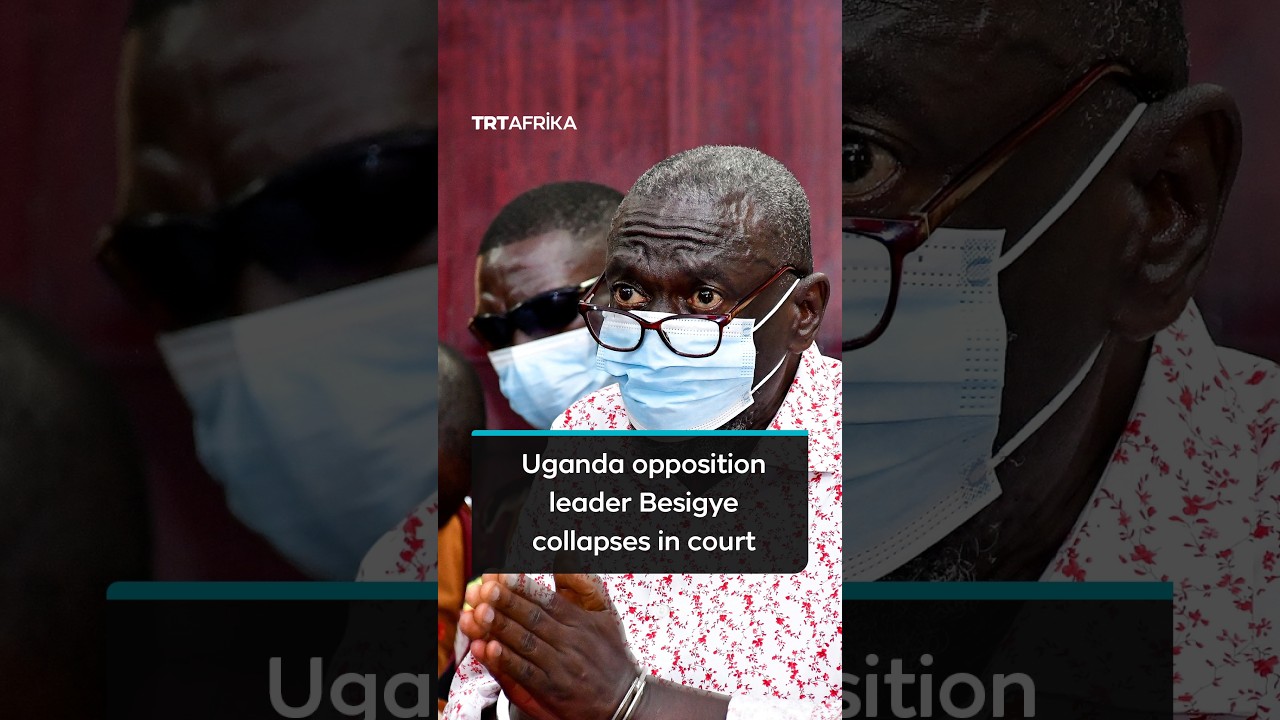
Ugandan Opposition Figure Kizza Besigye in Intensive Care After Court Collapse

By Kabir Isa

Uganda’s opposition figure Kizza Besigye collapsed in court amid a systemic crackdown on his legal defense, highlighting the regime's use of medical denial and judicial isolation as political weapons. His refusal of government care and demand for a private physician underscores a total breakdown of trust in state institutions, while the imprisonment of his lead lawyer and the barring of his Kenyan counsel reveal a deliberate strategy to strip him of due process. The personal appeals from his son and fellow opposition figures frame this not as a legal matter but as a humanitarian crisis, exposing the regime's willingness to let a political rival die in custody. This incident serves as a stark case study of how authoritarian governments weaponize healthcare and legal systems to neutralize dissent, making Besigye's fate a critical barometer for the rule of law in Uganda.

Uncategorized

Wema Bank’s H1 2026 Profit Jumps 50% to N131.4bn on Interest Income Surge

By Kabir Isa

Wema Bank’s H1 2026 results reveal a powerful earnings surge, with profit after tax jumping 50.1% to N131.4bn, fueled by a 42.7% spike in interest income and a 21.7% expansion in its loan book. This growth is strategically supported by a strengthened balance sheet, with total assets up 13.5% to N5.76tn, positioning the bank for aggressive future expansion. However, the core strategic tension lies in the fact that while the post-recapitalisation capital base enables this growth, the enlarged share capital will likely dilute earnings per share in the near term. The bank’s core value proposition is its proven ability to convert a larger capital base into high-yield lending, but investors must weigh this momentum against the anticipated short-term EPS compression.

Uncategorized

INEC Ramps Up Security Engagement with Top Leadership Ahead of Osun Governorship Election

By Kabir Isa

INEC is proactively deploying a two-pronged strategy for the Osun governorship election: engaging the highest levels of national security for an "impenetrable" security blanket while simultaneously mediating with traditional rulers to de-escalate local tensions. The commission has identified 11 specific local government hotspots—including Atakumosa, Ife Central, and Osogbo—that will receive specialized, high-visibility security deployments to neutralize thuggery and cult activity. Crucially, INEC has integrated an Electoral Risk Management framework with ICCES to map localized risk corridors and implement targeted mitigation measures, signaling a shift from reactive policing to predictive security planning. The core takeaway is that INEC views insecurity not as a peripheral concern but as a "direct assault on the sanctity of the ballot," making this election a critical test of its ability to secure the vote through both top-down force and grassroots mediation.