

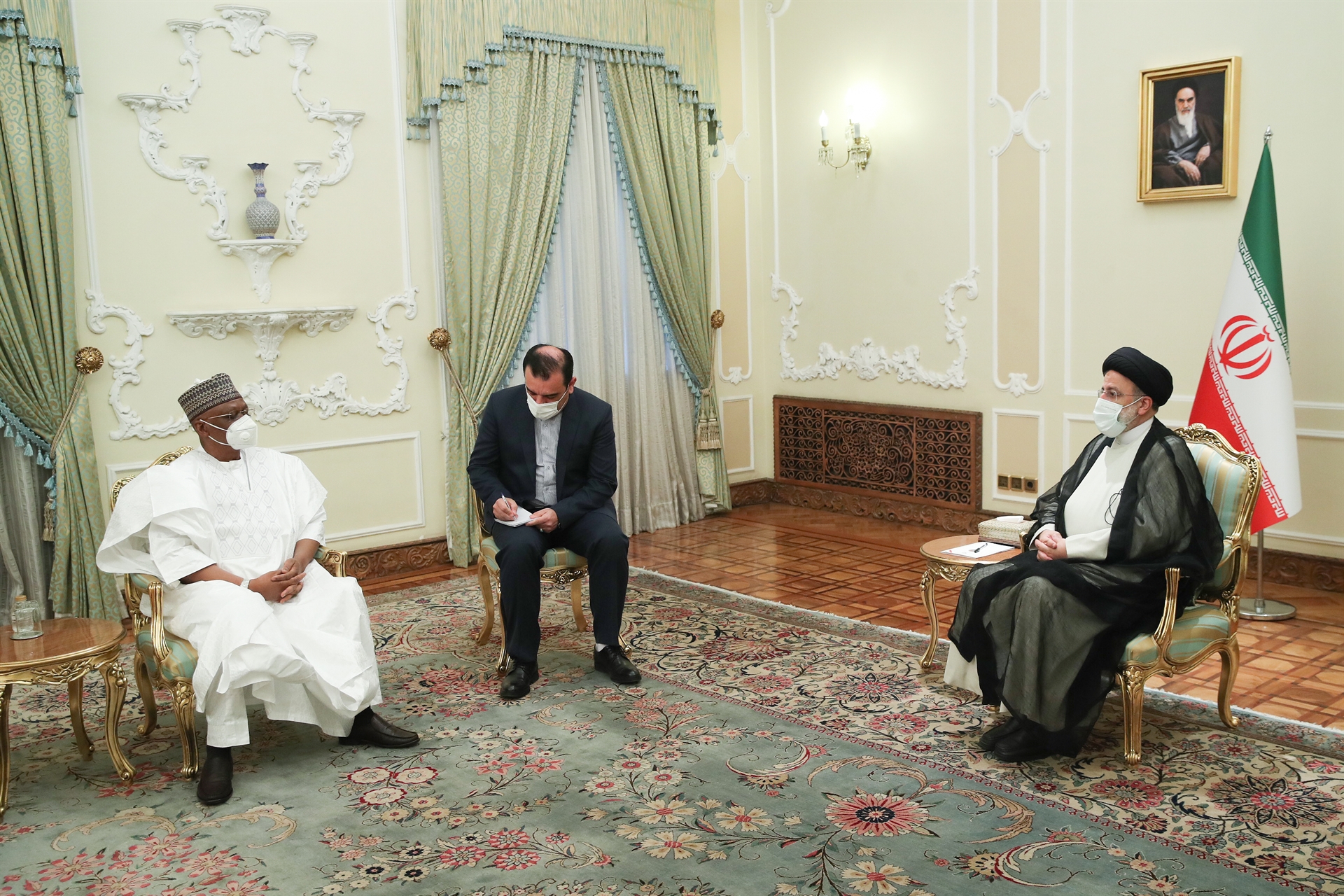
A Change in Tone from Tehran
In a notable reversal, Iran’s President Masoud Pezeshkian has publicly conceded that U.S. sanctions are damaging the country’s economy—a stark contrast to his remarks just days earlier. Speaking on state television late Friday, Pezeshkian pushed back against the notion that sanctions have no impact, saying, “Some say sanctions have no effect at all; to those people, I really don’t know what to say.” He added, “We are in a war situation, and we must accept these wartime conditions.”
On Monday, U.S. Treasury Secretary Scott Bessent outlined plans for the “economic asphyxiation” of Iran, warning of severe consequences for nations that do not join the American effort.
Trade Slump and Fuel Pricing
Pezeshkian revealed that Iran’s exports and imports have fallen by 25 to 35 percent in recent months, attributing the decline to a U.S. naval blockade of Iranian ports. To cope with the reduced trade, he proposed raising the price of petrol, specifically the “third-tier quota,” suggesting an increase from 5,000 tomans to 10,000 tomans. That quota is one of several consumption tiers that determine what Iranian consumers pay at the pump.
Iran, a major oil producer with some of the world’s cheapest fuel, has long subsidized petrol heavily, making any price adjustment politically delicate.
Mixed Messages from Leadership
Despite the president’s latest acknowledgment, his position has been inconsistent. On the same day Ghaempanah spoke, Pezeshkian told state media that the latest U.S. sanctions “will not achieve anything” and that “we will stand firm against economic pressures, as we have done so far and will continue to do.” That defiant stance now appears tempered by the president’s own admission of the blockade’s toll.
Source: Information Nigeria

Comments