West African governments committed to strengthening institutional frameworks for youth development and aligning technical and vocational education with labour market needs, under a declaration adopted at a regional meeting in Freetown.
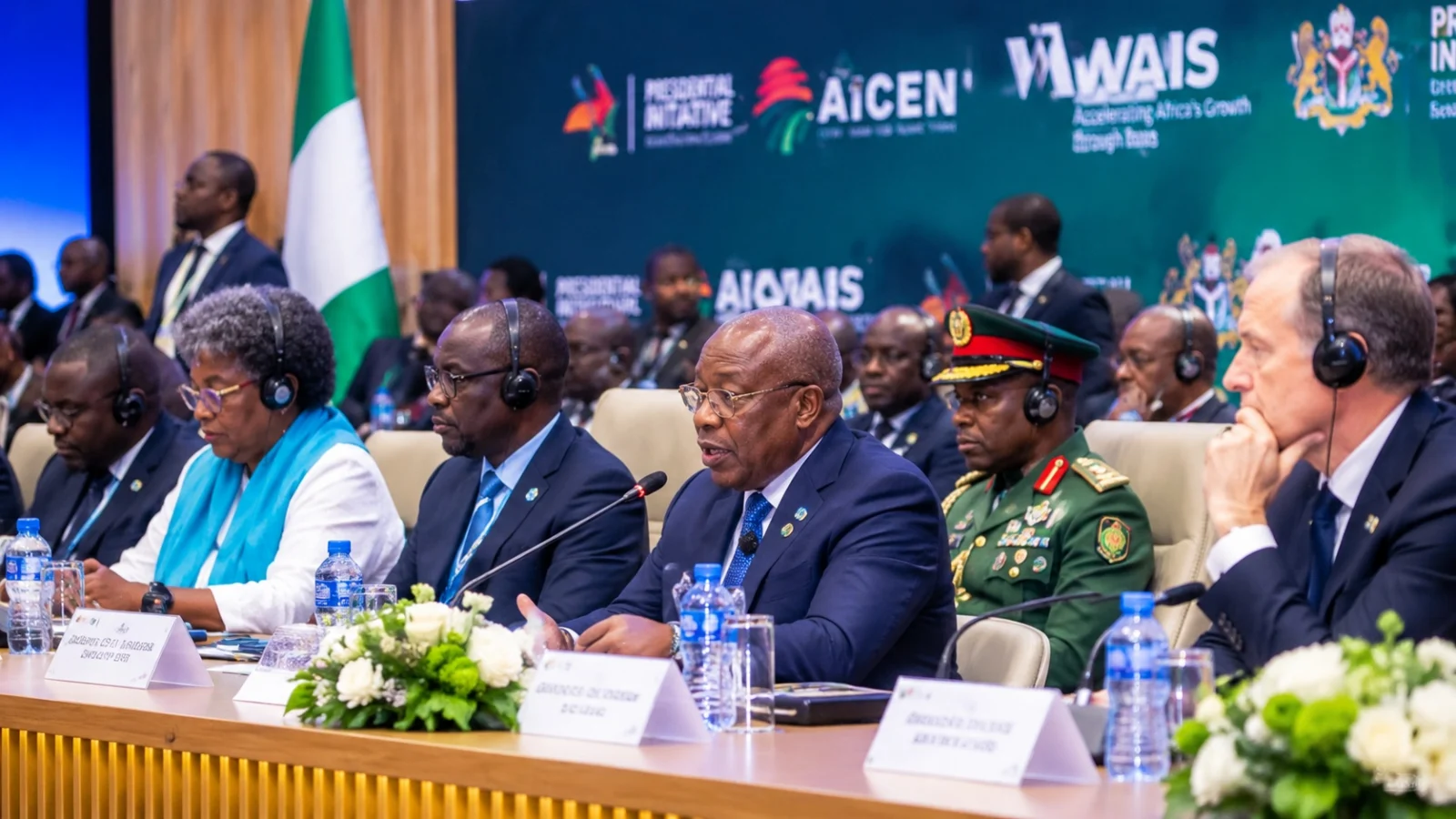
The Freetown Declaration was adopted at the 29th session of the Intergovernmental Committee of Senior Officials and Experts for West Africa, held in Sierra Leone’s capital from 28 to 30 October 2026.
The session was jointly organised by the Government of Sierra Leone and the UN Economic Commission for Africa’s West Africa subregional office, and carried the theme of unleashing the potential of young people in West Africa for employment, economic transformation and resilience.
Sierra Leone’s Minister of Planning and Economic Development, Kenyeh Barlay, chaired the closing ceremony of the three-day meeting.
What the declaration asks of governments
Beyond institutional frameworks and skills alignment, the declaration encourages member states to promote regional value chains and youth participation in African Continental Free Trade Area markets.
It also calls for improved labour market statistics and national baseline data on public and private investment in youth, including profiles of young people not in employment, education or training.
The text further calls for extending demographic dividend-sensitive budgeting to willing West African countries. Which countries might take up that offer, and on what timetable, is not set out in the declaration as described.
The private sector is encouraged to strengthen the West African Business Linkages Platform to connect young entrepreneurs with markets, financing and mentoring. The declaration does not specify targets for how many enterprises or entrepreneurs the platform should reach.
Follow-up and reporting
Under the declaration, the Committee’s Bureau, with ECA support, is asked to track progress through a dashboard and report back at the 30th session.
The recommendations will also be submitted for review at the 2027 session of the ECA Conference of African Ministers of Finance, Planning and Economic Development.
That two-track reporting arrangement suggests the declaration is intended to remain on the agenda of senior officials and ministers beyond this meeting, though the dashboard’s indicators and the frequency of reporting are not detailed in the declaration as described.
An agenda set by officials, not yet by ministers
The commitments were adopted by senior officials and experts rather than by ministers, and the ministerial review is scheduled for 2027.
Whether the declaration’s calls — on statistics, budgeting, value chains and private-sector linkages — translate into binding national programmes likely depends on that ministerial track and on how willing member states are to adopt the budgeting approach.
The declaration’s emphasis on labour market statistics and baseline data on youth investment appears to acknowledge that progress on youth employment is difficult to measure without agreed national figures.
The text does not set out how such data would be collected, harmonised across countries or funded.
On technical and vocational education, the declaration aligns training with labour market needs but does not specify which sectors or occupations member states should prioritise.
Similarly, the call to promote regional value chains does not identify the chains or the mechanisms for regional coordination.
The Freetown meeting is the 29th in a series of sessions convening senior officials and experts from across West Africa.
The declaration adopted there now forms the reference point for the Committee’s work until the 30th session, with the ministerial conference in 2027 as the next scheduled review point.

Comments