

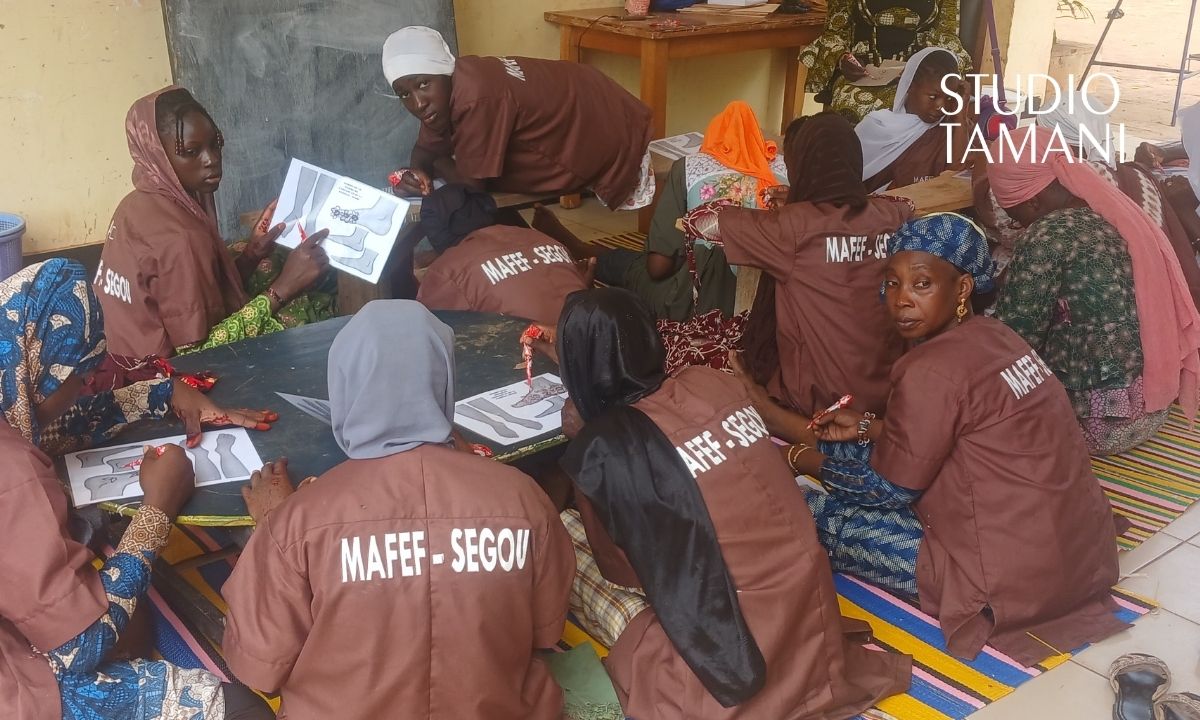
In the city of Ségou, a new chapter is unfolding for a group of young women eager to transform a traditional craft into a livelihood. This Friday, approximately fifty participants gathered to begin a month-long, hands-on training program dedicated to the art of henna. The initiative, spearheaded by the Maison de la femme, de l’enfant et de la famille, aims to equip these women with practical skills that can be leveraged for income generation.
More Than Just Decoration: Henna as a Livelihood
For the women of Ségou, this training is not merely about learning a traditional practice; it is about acquiring a marketable skill. By mastering the intricate patterns and application techniques, these participants are positioning themselves to offer services that are in demand for weddings, religious festivals, and other social gatherings.
The choice of henna as a focus for vocational training is strategic. It requires minimal capital investment, relies on locally available materials, and can be practiced from home, making it an accessible avenue for economic empowerment.
The Role of the Maison de la Femme
The Maison de la femme, de l’enfant et de la famille (House of Women, Children, and Family) is the driving force behind this initiative. By organizing this training, the Maison is not only preserving a cultural art form but also actively investing in the economic future of the community’s women.
The structure of the training, spread over a full month, suggests a comprehensive curriculum. Participants will likely progress from basic techniques to more complex designs, with ample time for practice and refinement. The practical, hands-on nature of the sessions ensures that the women leave not just with theoretical knowledge, but with the confidence and skill to immediately begin offering their services.
Economic and Social Implications
This training arrives at a time when many young people in Mali, particularly women, face significant barriers to formal employment. Informal sectors, such as beauty and personal care, often provide the most viable opportunities.
Moreover, the ripple effect of such training can be substantial. As these women begin to earn, they are likely to reinvest in their families and communities, supporting education, healthcare, and local commerce. The program also fosters a sense of solidarity among the participants, who will share a common skill and potentially form a network of practitioners who can support each other professionally.
Looking Ahead
As the month progresses, the success of this initiative will be measured not only by the number of women who complete the training but by their ability to translate these skills into sustainable income. The hope is that this cohort will serve as a model for future programs, demonstrating the value of investing in culturally relevant, low-barrier vocational training. For the young women of Ségou, the art of henna is more than a tradition—it is a stepping stone toward a more secure and independent future.
Source: Studio Tamani


1 comment